


COLUMBIA SCIENCE IN THE NEWS
The New York Times
September 6, 2026
Science
August 28, 2026
The New York Times
August 20, 2026
RECENT STORIES
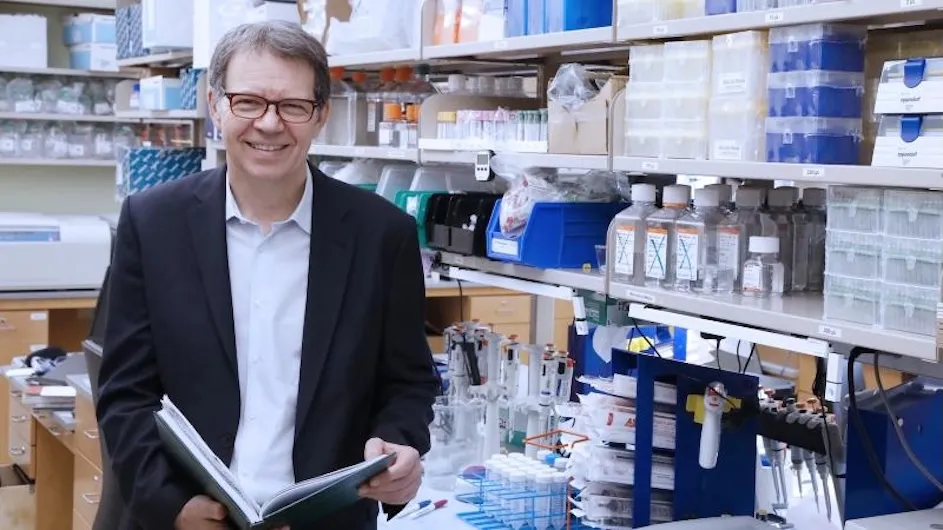
In the past decade, Michel Sadelain has been at the center of a revolution in the treatment of cancer.
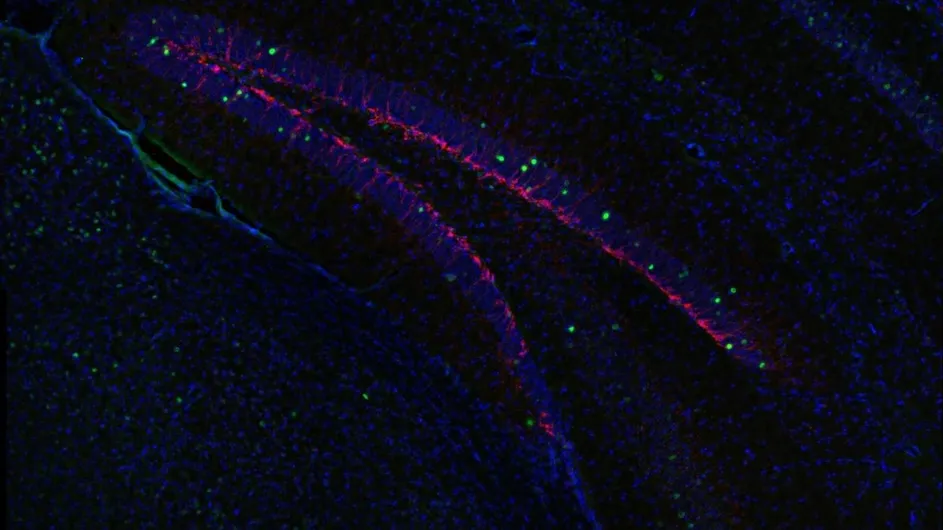
The discovery paves the way for a new type of antidepressant that inhibits the chemical.

Entangled photons will soon move instantaneously across the network, which now extends from Long Island to Morningside Heights.

The honor, often called a “genius” grant, recognizes exceptional creativity and dedication.
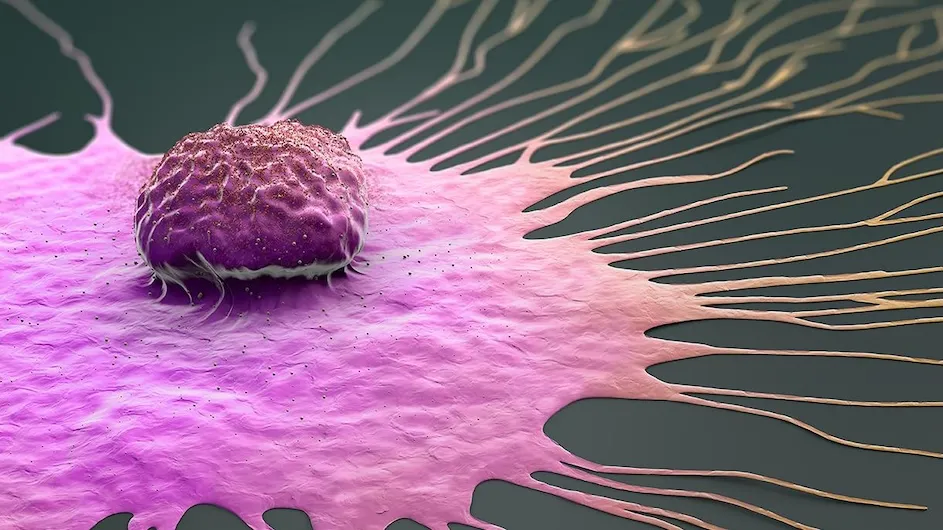
A Columbia Public Health study identified eight metabolic features significantly associated with breast cancer risk.

Now an annual tradition, the Engineering Student Council (ESC) contest sends students sailing in nothing but cardboard.
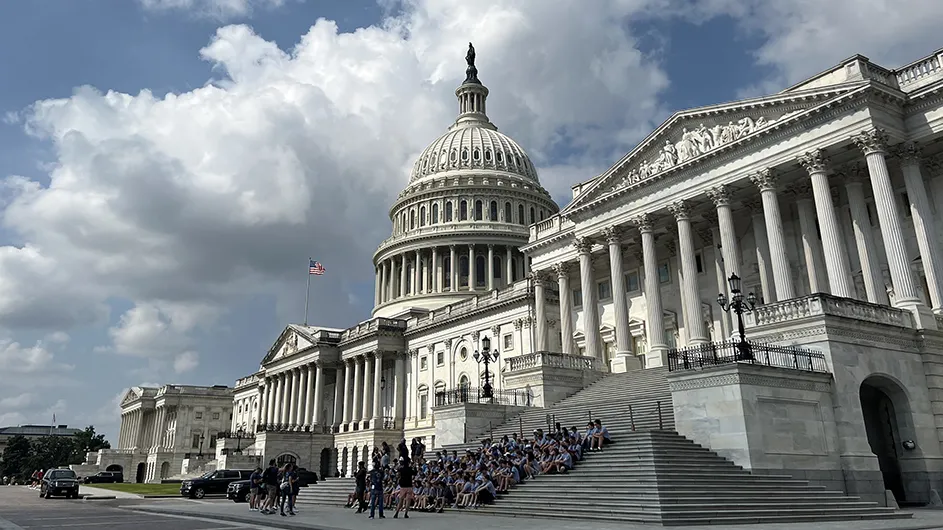
On Sept. 18, members of the Columbia University Irving Medical Center community joined physicians, scientists, and patients to meet with U.S. legislators to advocate for medical research.

A new grant from Schmidt Sciences will support research that seeks to improve climate modeling across land, air, and sea.
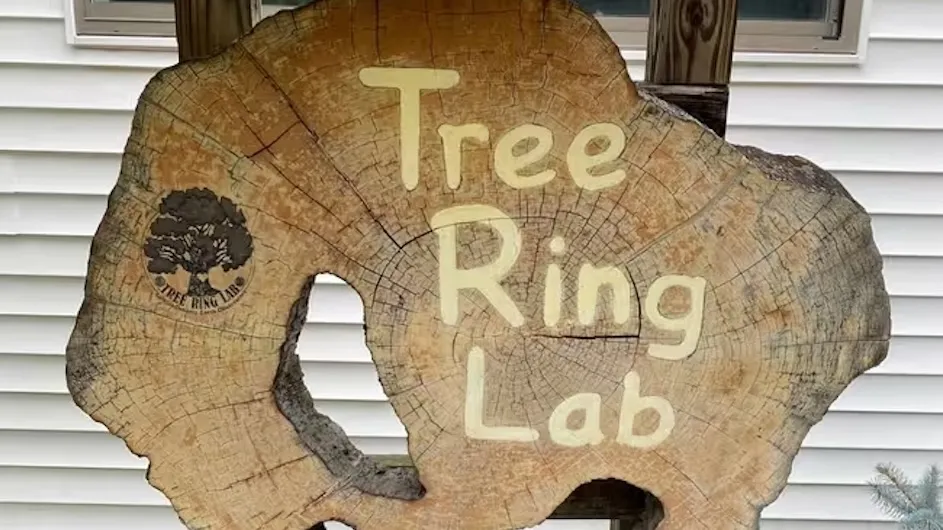
Columbia's Tree Ring Laboratory is racing against time to uncover the secrets of old-growth trees before they’re lost forever.

The state's evidence-based policy draws on research documenting the numerous health risks of formaldehyde.

The outermost brain layer just behind the forehead sustains the most damage from heading. The damage leads to cognitive deficits.

The Center will advance the development and understanding of blockchain protocols and their applications.