


COLUMBIA SCIENCE IN THE NEWS
The New York Times
September 6, 2026
Science
August 28, 2026
The New York Times
August 20, 2026
RECENT STORIES
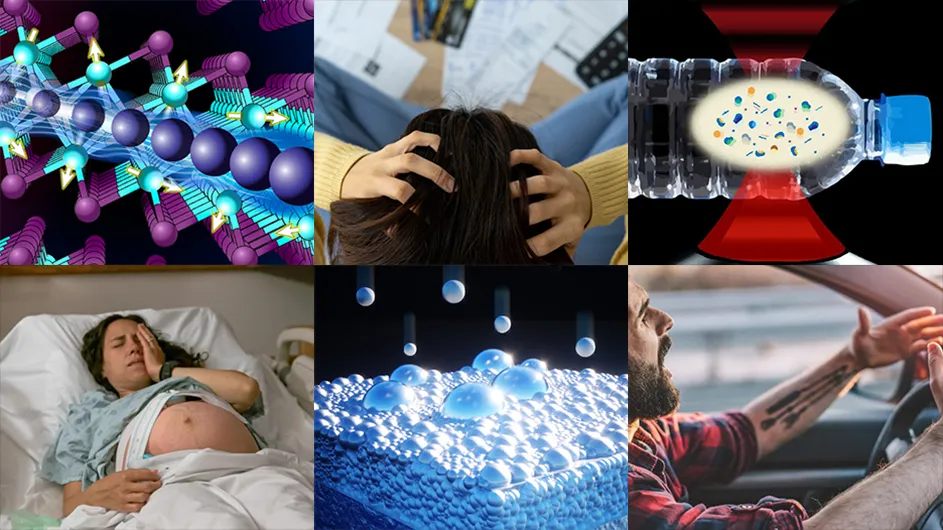
Columbia has had breakthroughs in medicine, neuroscience, AI, and other fields in 2024.

A new study investigates how undernutrition and stress during fetal development may manifest decades later.
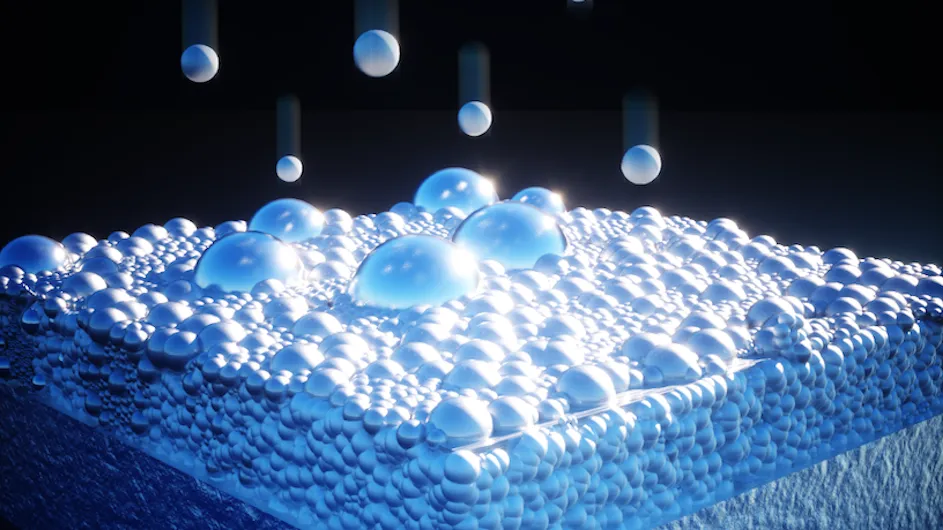
New Columbia research has the potential to accelerate the design of lithium metal batteries to help make them consumer-safe.
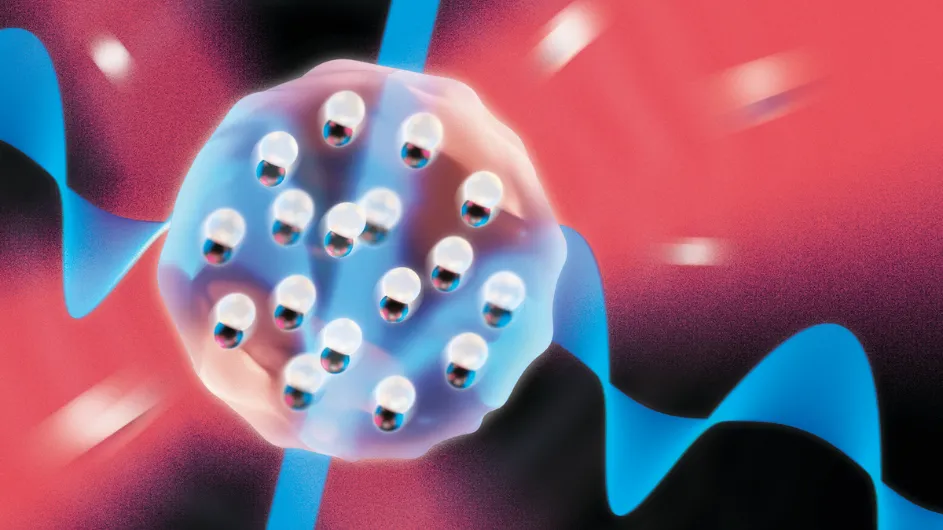
Columbia physicists have taken molecules to a new ultracold limit and created a state of matter where quantum mechanics reigns.
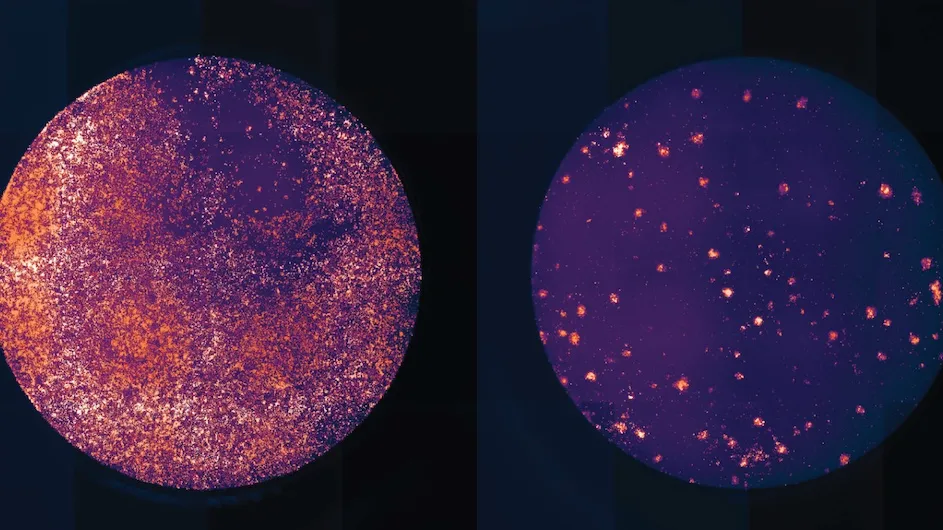
Changing only a single letter in the DNA code of selected genes in T-cells may lead to improved cell therapy.
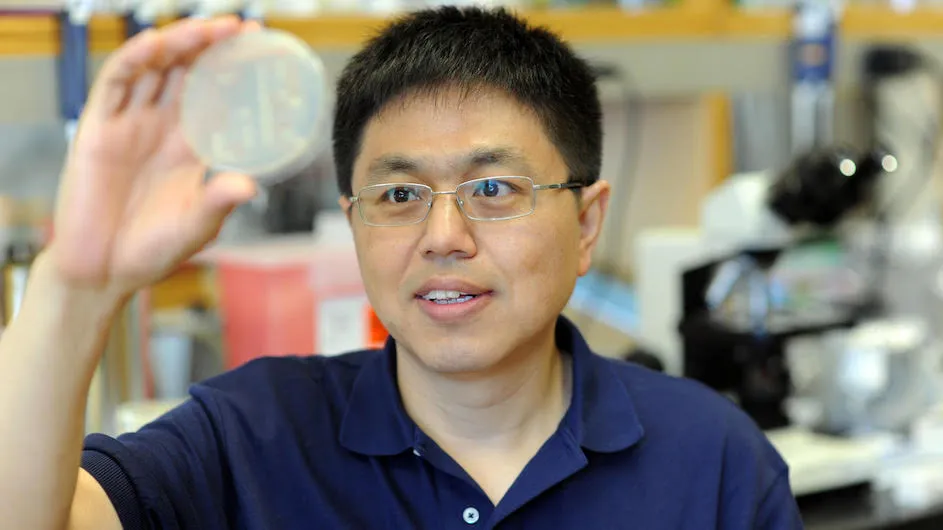
Songtao Jia's research on epigenetic inheritance could lead to new cancer treatments. In his spare time, Jia likes to fish.
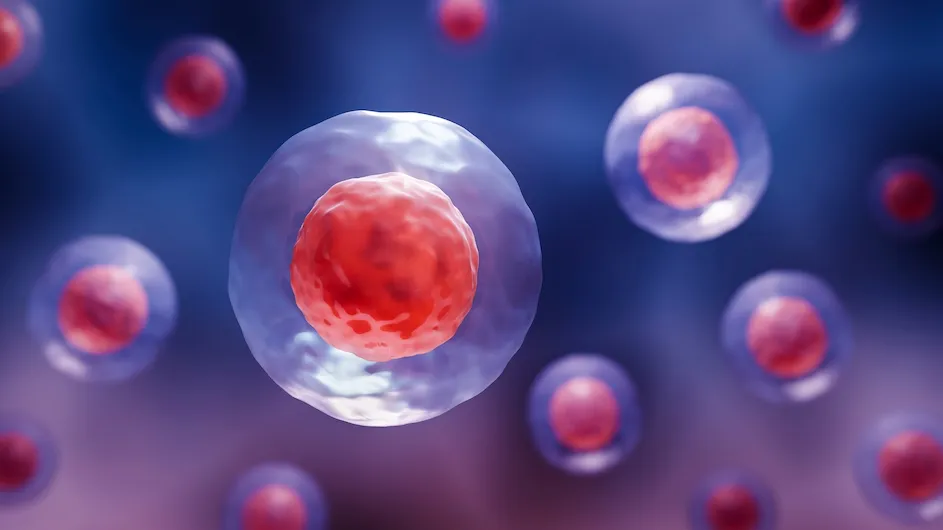
A new study shows a way to rejuvenate old blood stem cells, restoring their ability to regenerate and fight age-related diseases.

NASA has awarded Columbia and partners a prestigious grant to launch a particle detector into Earth’s upper atmosphere.
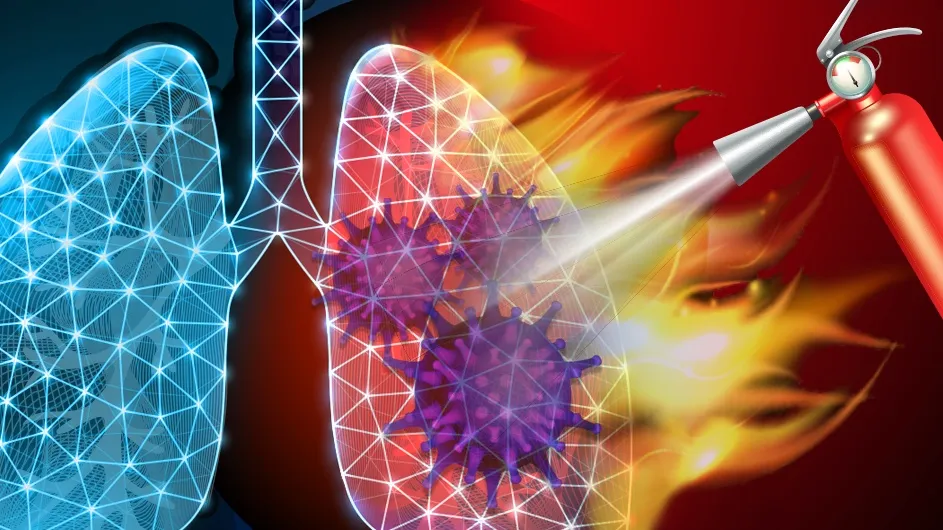
New research shows that ferroptosis, a form of cell death, occurs in severe COVID-19 patient lungs. Stopping it improves outcomes.

A new fruit fly study reveals the brain-cell circuitry that converts raw sensory signals into perceptions of color.
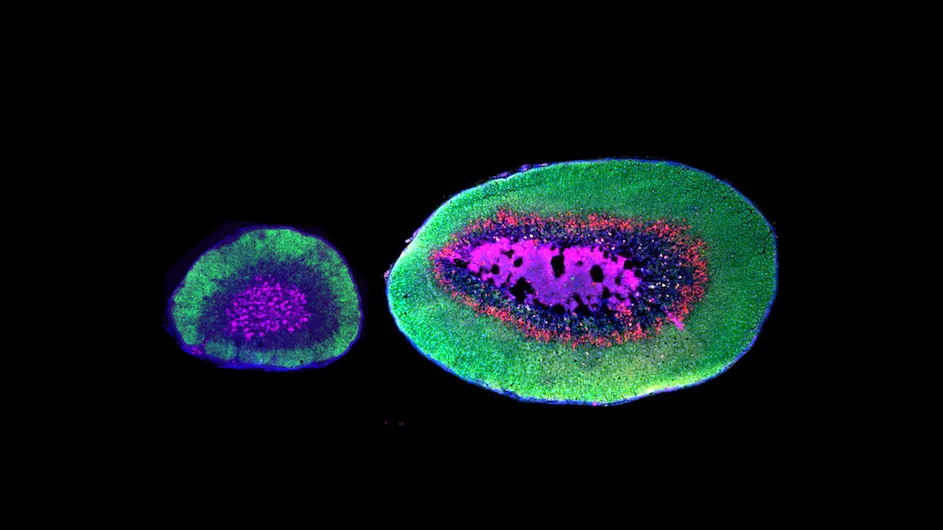
The newly-discovered adrenal cell produces a hormone that is also present in humans.

Anger raises the risk of heart attack and stroke. Now a Columbia study may explain how.