


COLUMBIA SCIENCE IN THE NEWS
The New York Times
September 6, 2026
Science
August 28, 2026
The New York Times
August 20, 2026
RECENT STORIES
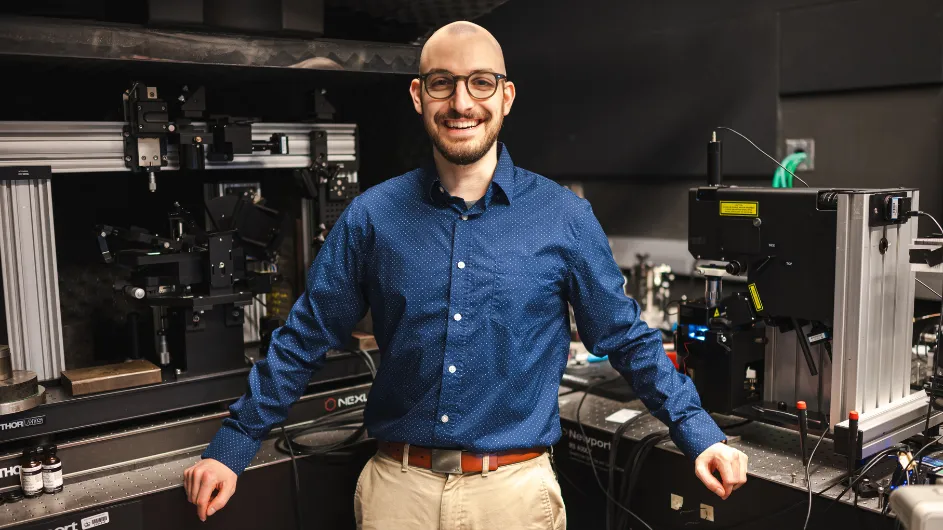
Emanuil Yanev talks about his PhD work modifying 2D materials to push their light-producing limits.
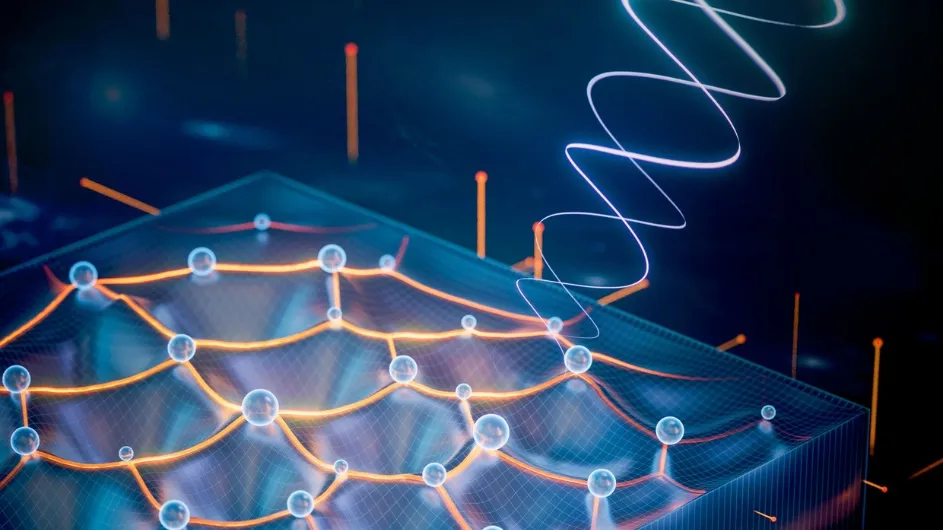
The finding could help fill critical gaps between quantum mechanics and Einstein’s theories, solving a major dilemma in physics.

Columbia researchers can now detect AI-generated content without accessing AI's architecture, algorithms, or training data.
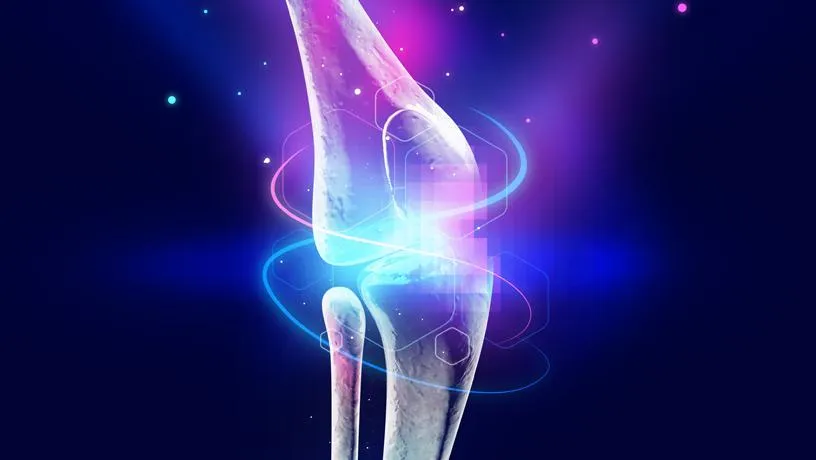
Through an ARPA-H grant, Columbia researchers will aim to build a living replacement knee to be tested within five years.
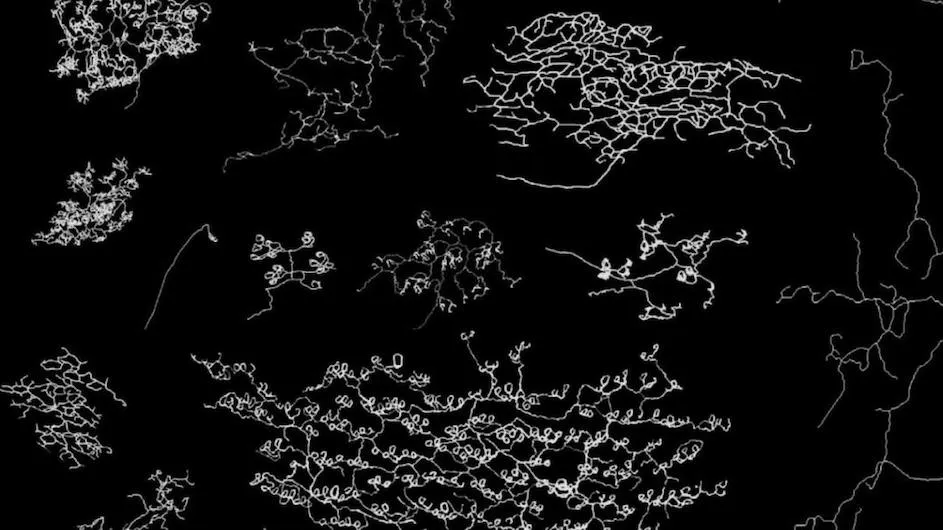
A new survey of the skin’s primary sensory neurons has upended old assumptions.

Timely guidance can empower patients to advocate for their health throughout life, according to new Columbia research.

Courtney Jimenez, a psychology PhD student, is building experiments that explore how social our time spent alone is.

Business School research reveals that economic hardships experienced in formative years can impact attitudes toward immigration and government redistribution later in life.
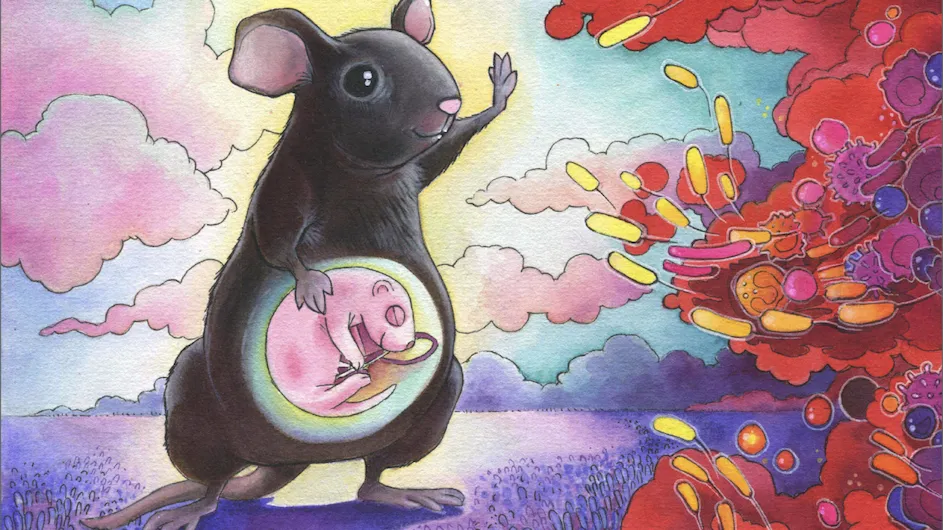
Columbia stem cell scientists have a new theory.
Carla Hoge has been investigating the strange behavior of the protein PRDM9 since joining Columbia six years ago.
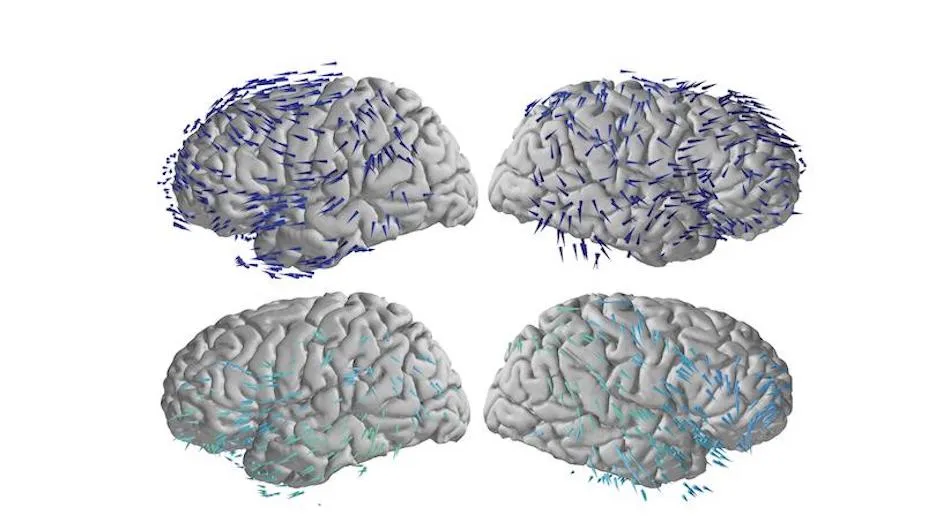
By measuring the direction that a person’s brain waves move, we may be able to predict their behavior.

New research shows that even the most powerful blasts won't result in a so-called volcanic winter.