


COLUMBIA SCIENCE IN THE NEWS
The New York Times
September 6, 2026
Science
August 28, 2026
The New York Times
August 20, 2026
RECENT STORIES
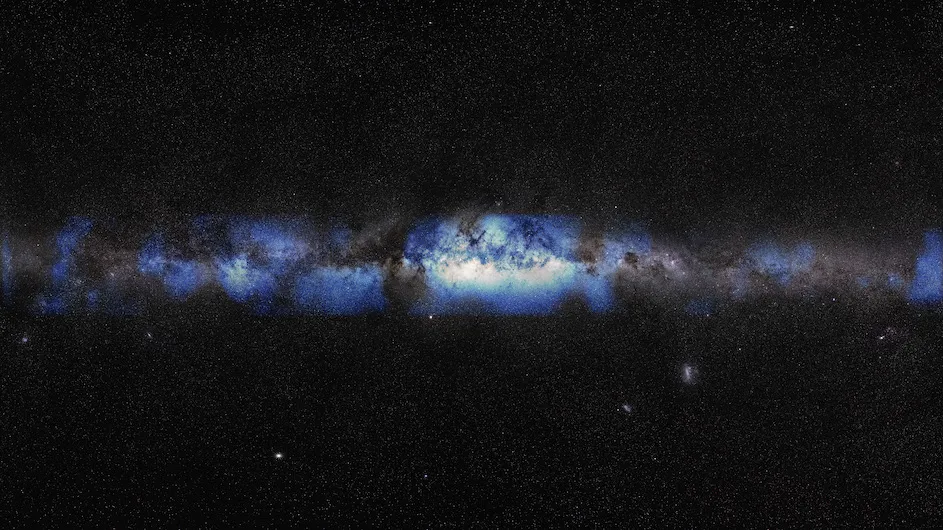
IceCube, an Antarctic telescope, has directly observed neutrinos, hard-to-detect subatomic particles, coming from our own galaxy.
The NSF’s decision to pilot new demographic data is a vital step toward mitigating disparities that LGBTQ+ scientists face.

Risk is growing amid rampant marketing and social media messaging that normalizes drinking among women of reproductive age.
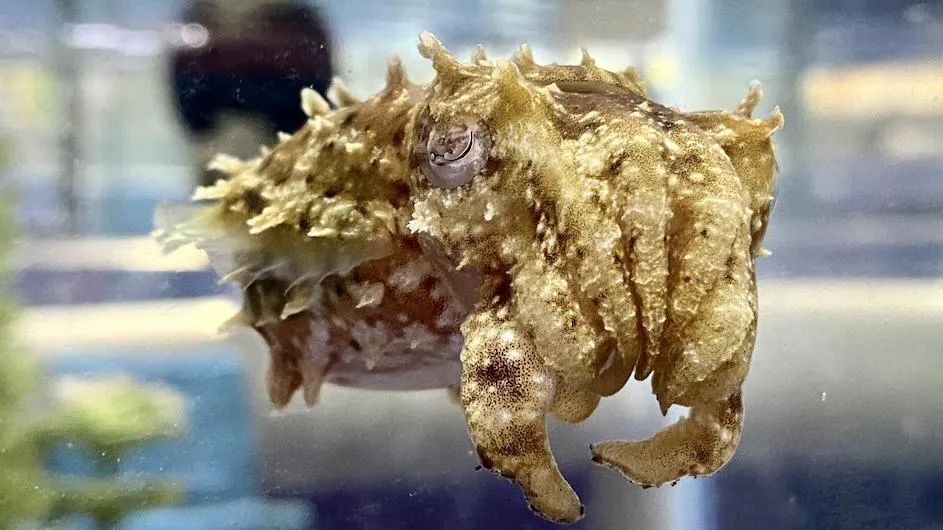
Zuckerman Institute researchers believe cuttlefish, masters of camouflage, can yield insights on all brains, including ours.

Yasmine El-Shamayleh, Vikram Gadagkar, and Ishmail Abdus-Saboor won the award for research excellence and inclusion in the lab.
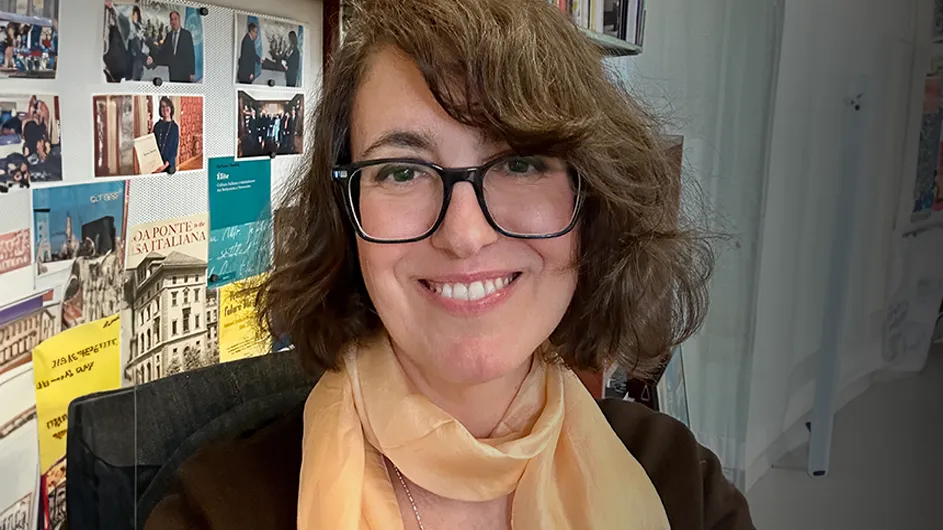
A new book, co-edited by Barbara Faedda, focuses on the giant figures of Mont’e Prama.
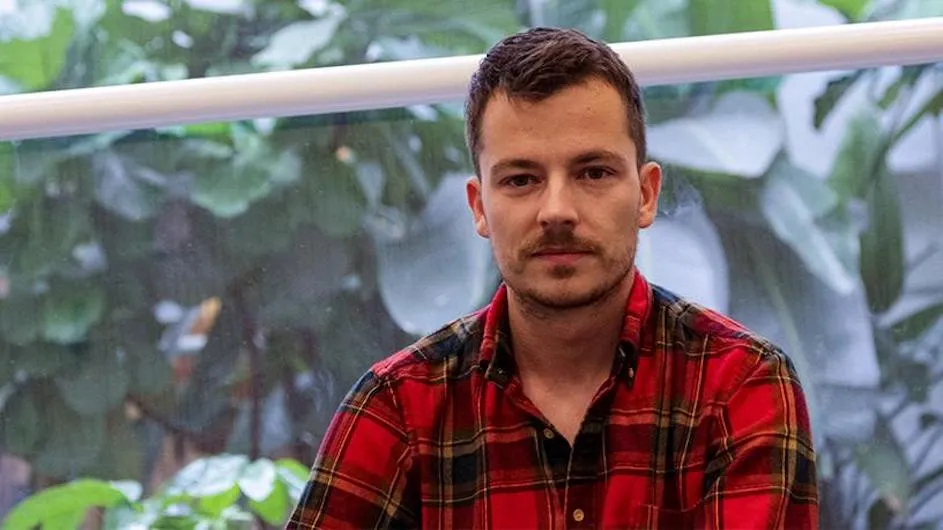
Chemical engineering professor is recognized for research on early embryonic development.
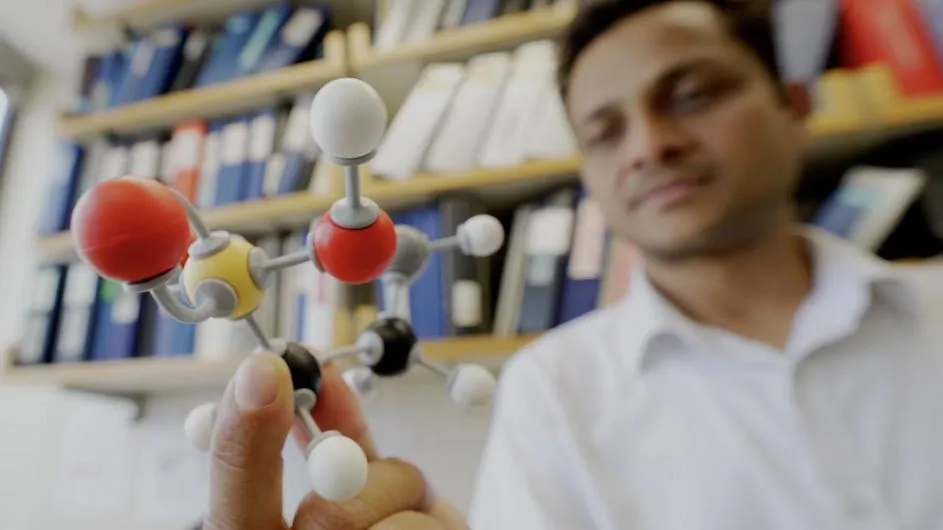
Taurine supplements can slow aging in worms, mice, and monkeys, extending the healthy lifespans of middle-aged mice by up to 12%.
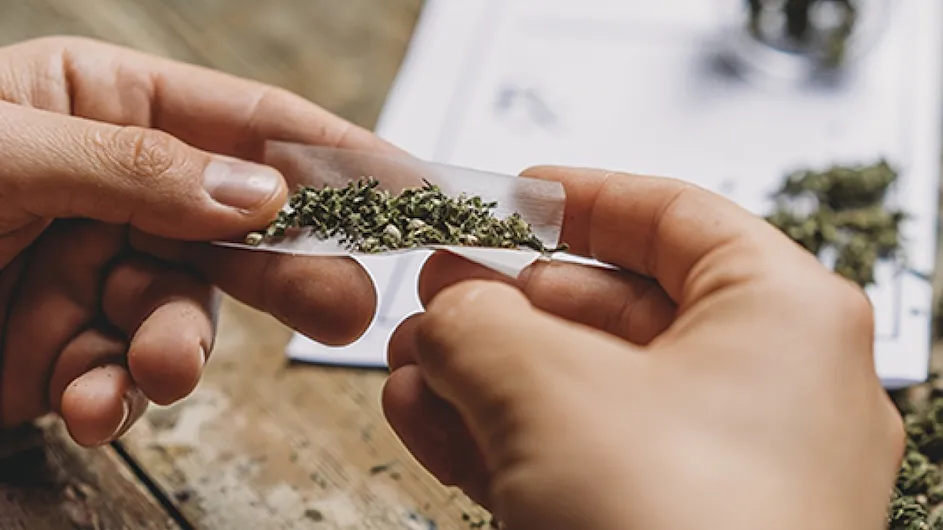
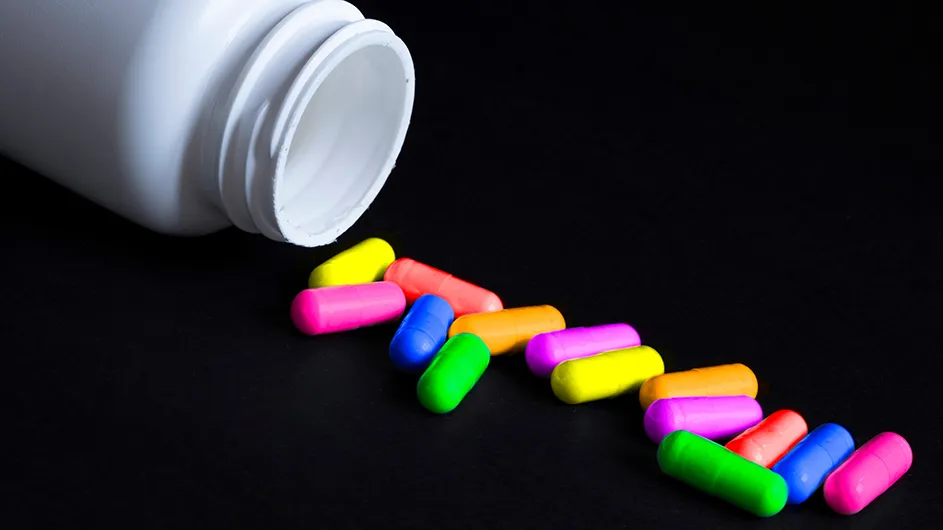
Researchers found that a candidate drug significantly reduced the effects of cannabis in daily smokers.
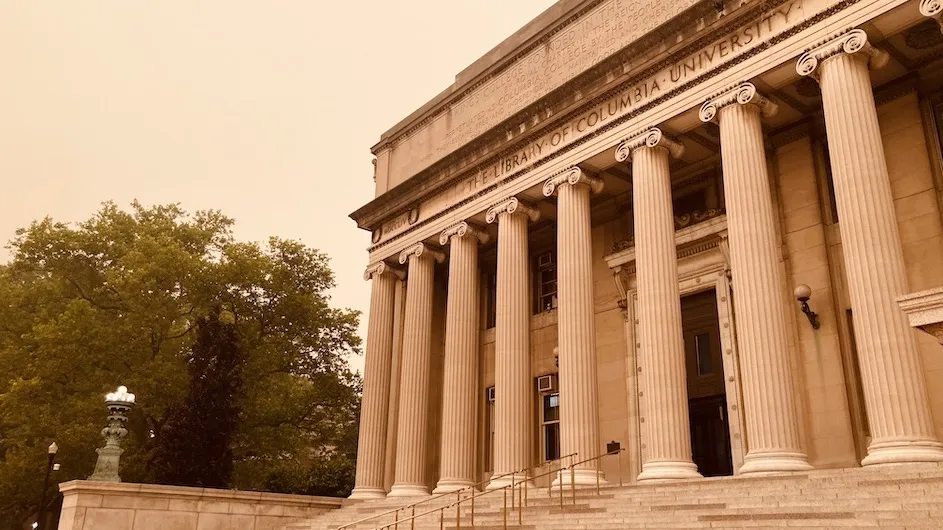
Read what experts at the University have to say about the impact of recent wildfires in Canada on New York City and North America more broadly.

A new paper argues that materials like wood, bacteria, and fungi belong to a newly identified class of matter, "hydration solids."
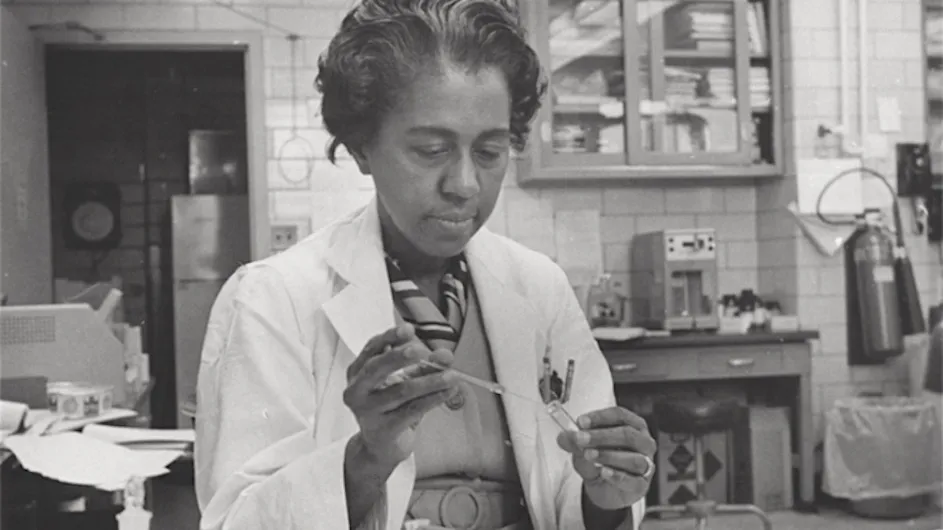
Daly, GSAS’ 47, is the first Black woman known to have earned a PhD in chemistry in the United States.