


COLUMBIA SCIENCE IN THE NEWS
The New York Times
September 6, 2026
Science
August 28, 2026
The New York Times
August 20, 2026
RECENT STORIES
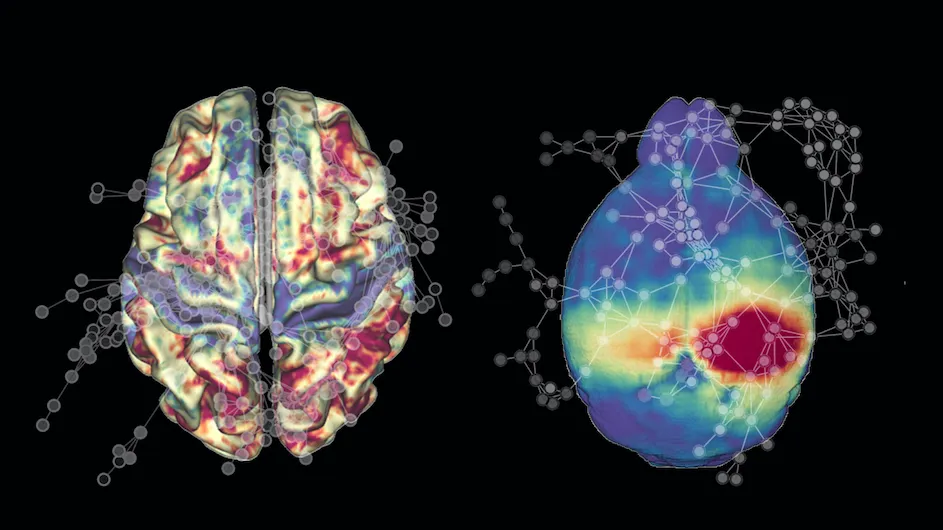
Aging changes the brains of mice and people in similar ways, a finding that could provide new insights into how we grow old.
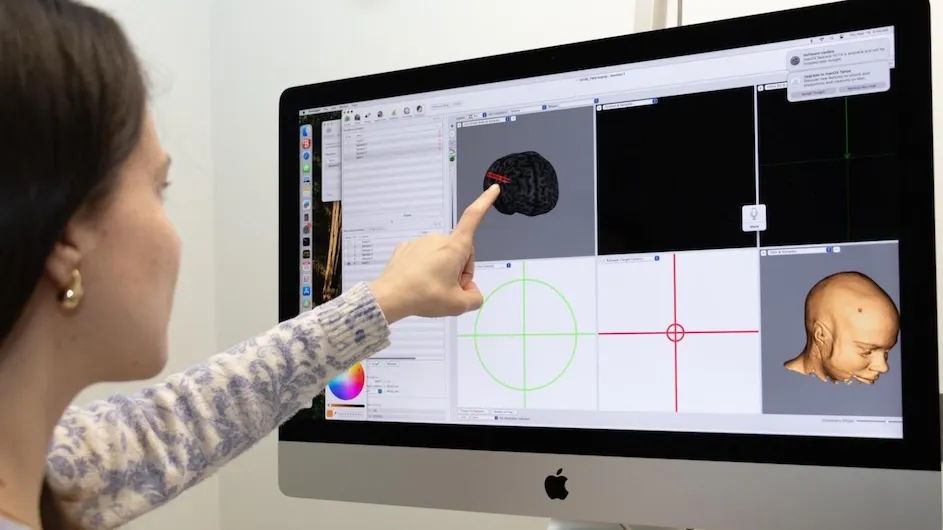
A new study aims to determine if altering brain circuit activity has treatment potential.
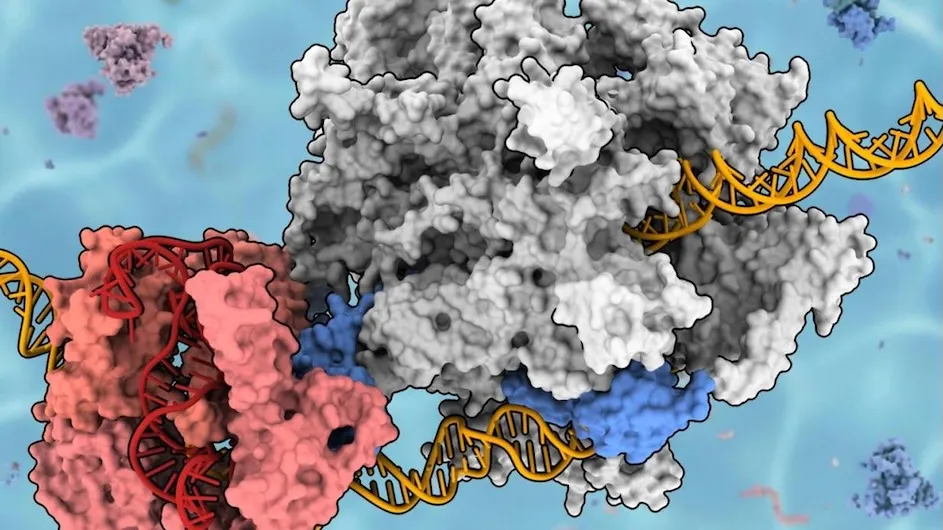
New findings about bacteria could guide researchers to fresh breakthroughs, like new antibiotics and therapies for the microbiome.

Large language models' ability to interpret nuance, hidden meaning, and nonlinear storytelling remains an open question.
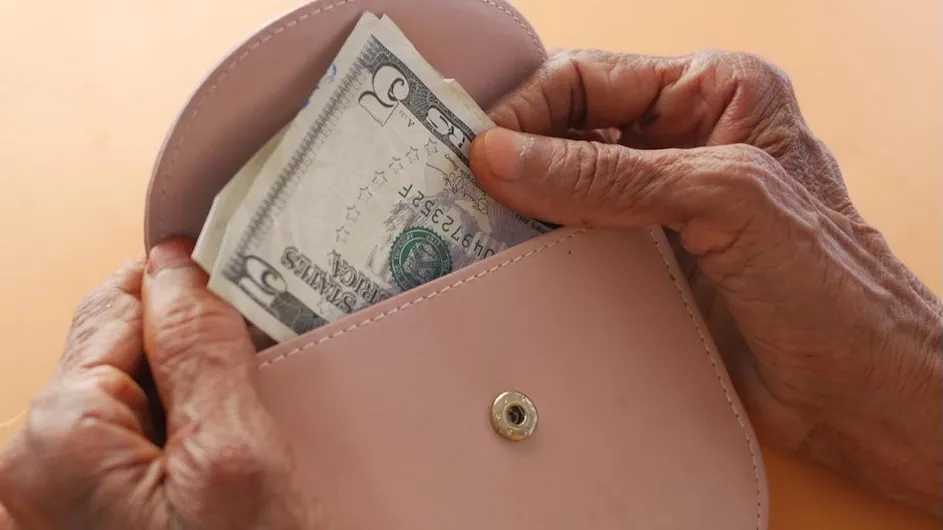
A new Columbia Public Health study is among the first to examine the cognitive consequences of poor financial well-being.
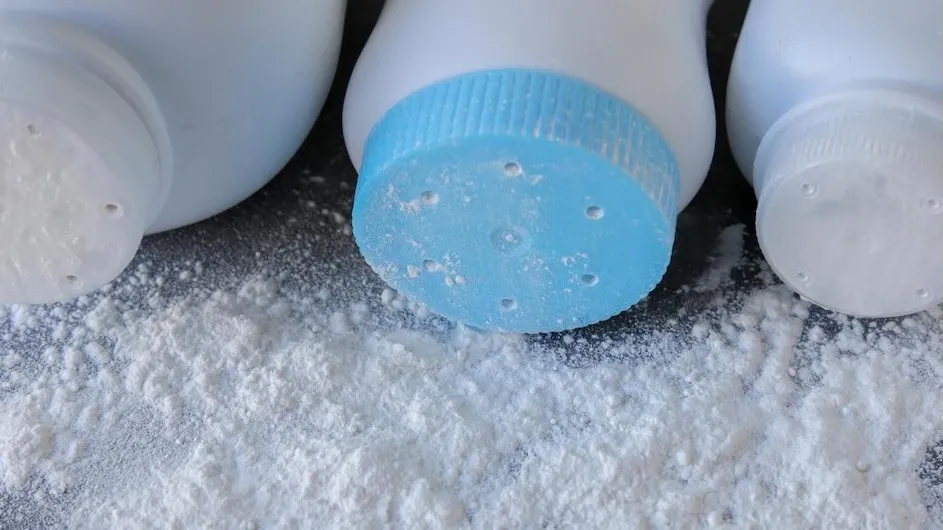
Columbia historians found evidence that a 1977 article claiming that talcum powder poses no harm was written by a paid consultant.

The American Association for the Advancement of Science honored them for scientific excellence and service to their communities.
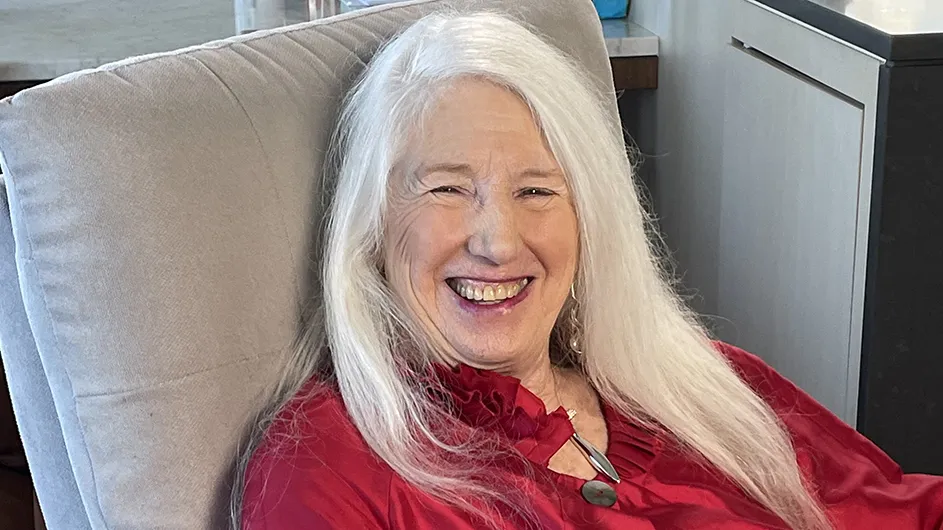
In “My Life, My Science,” Nancy Wexler, a longtime professor of neuropsychology at CUIMC, describes her pursuit of the causes and a cure for Huntington’s disease.
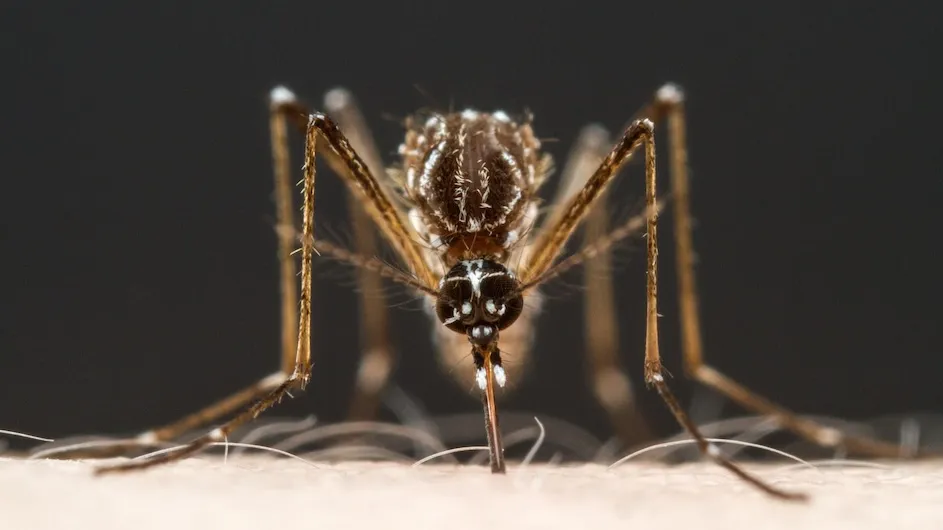
New Columbia University research reflects a growing understanding of how the gut can drive behaviors across species.
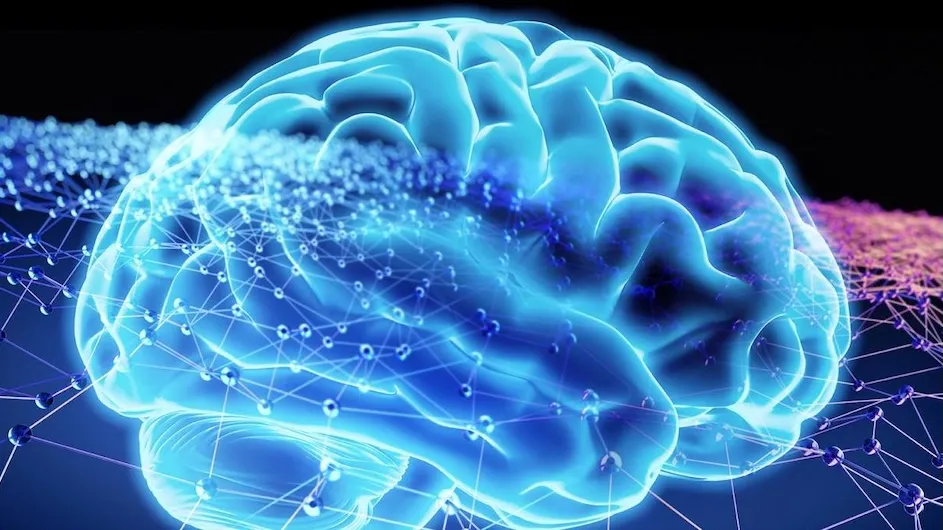
Nearly 10 million electronic patient records will help reveal the diseases, behaviors, and environments that precede Alzheimer’s.

New findings shed light on a widespread gap in the geologic record.
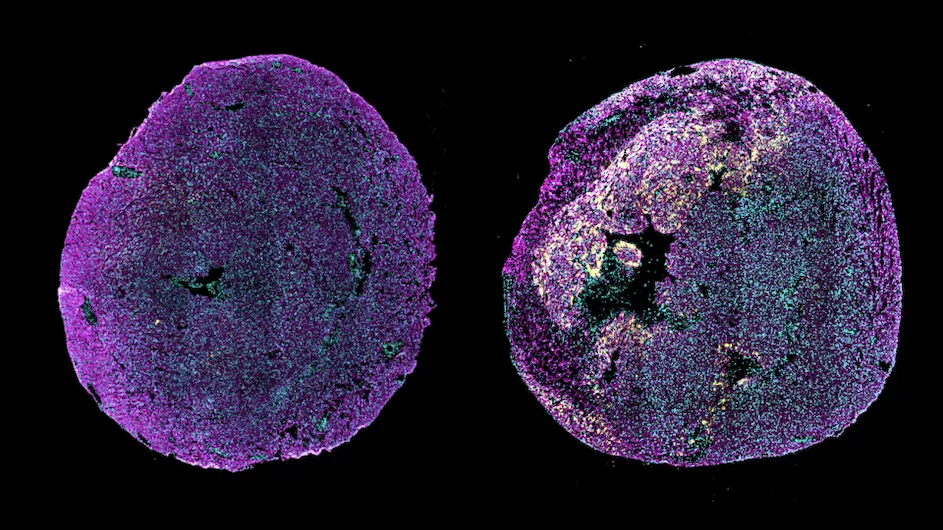
A single shot in skeletal muscle improved the heart’s own ability to protect and heal after a heart attack.