


COLUMBIA SCIENCE IN THE NEWS
The New York Times
September 6, 2026
Science
August 28, 2026
The New York Times
August 20, 2026
RECENT STORIES
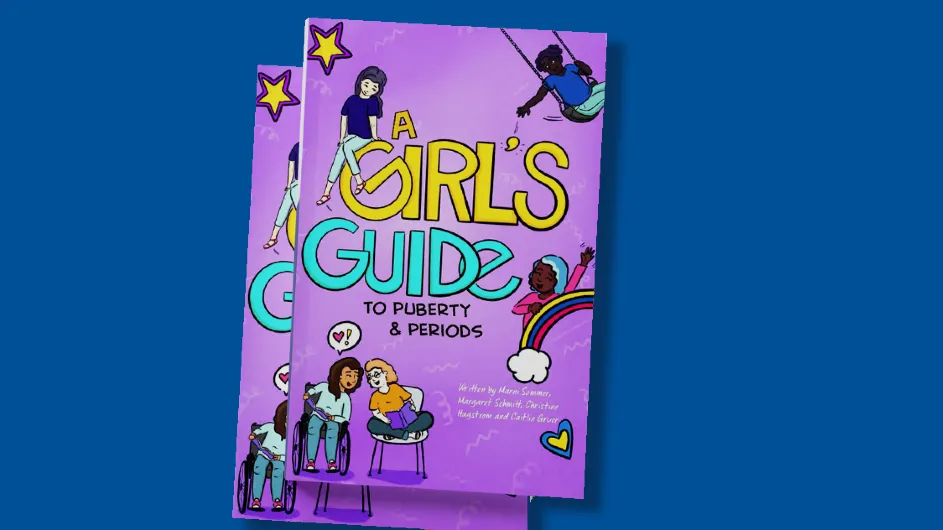
Researchers affiliated with Columbia’s Mailman School of Public Health have written a book that incorporates real-life stories of girls living across America about the first time they got their periods.
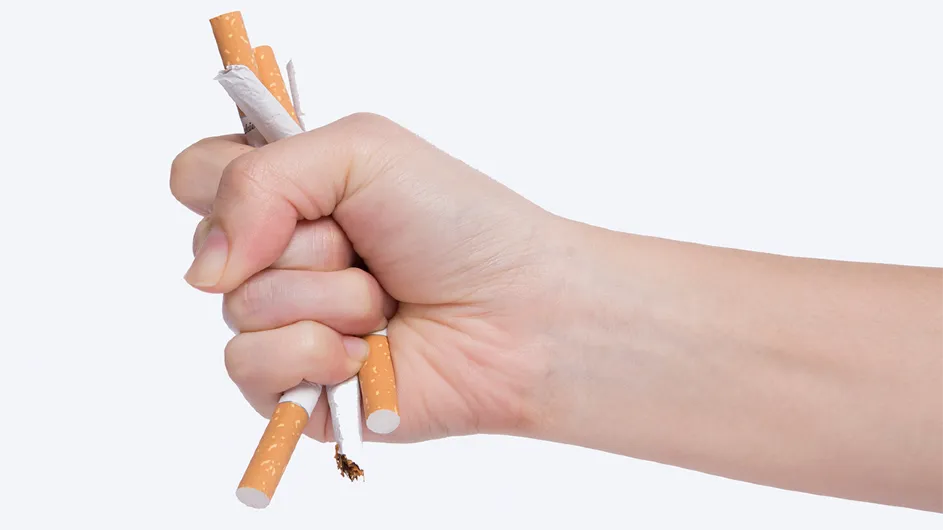
Women have a harder time staying off cigarettes on that first day than men in 12 low and middle-income countries, where about 60 percent of the world’s smokers live, says new Columbia Mailman School of Public Health research.
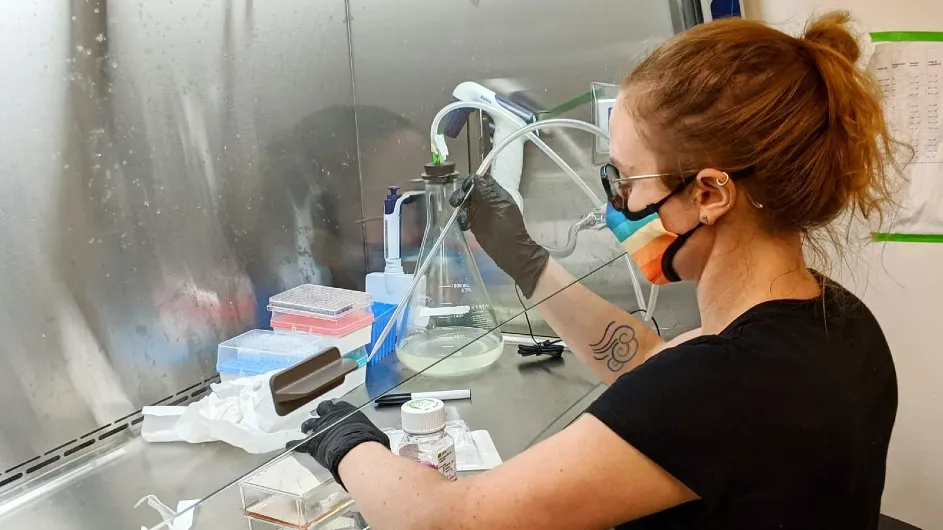
Bentley Shuster, a postdoc, spoke about life in the lab and her attempts to program soil-dwelling bacteria to shrink tumors in mice.
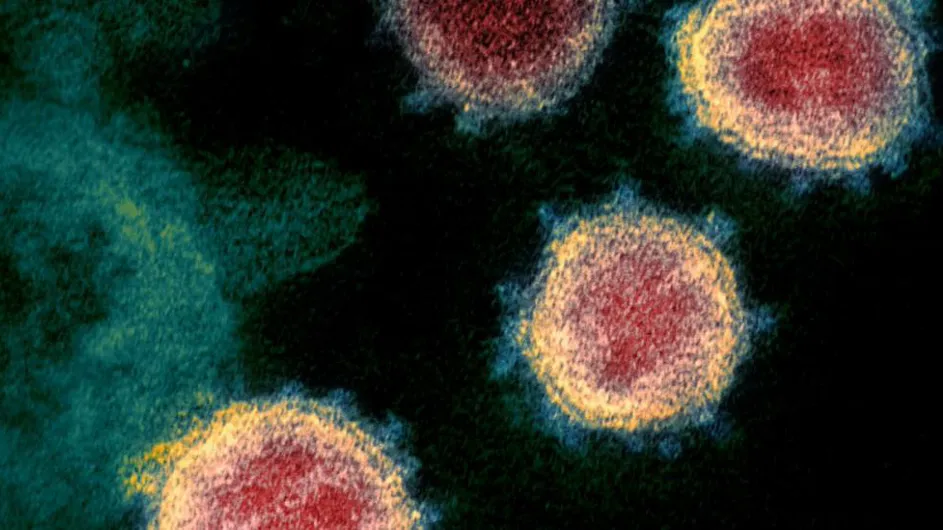
In a new study, researchers at Columbia University Irving Medical Center and Hong Kong University find that the omicron variant of Covid-19 is resistant to current vaccines and antibody treatments, and that even booster shots may provide limited defense against infection.

The group will send bacteria to the International Space Station to understand how low gravity affects microbes and antibiotics.

It was long accepted that the Vikings were the first people to settle the Faroe Islands, around 850 A.D. until traces of earlier occupation were announced in 2013. But not everyone was convinced. New probes of lake sediments clinch the case that others were there first.
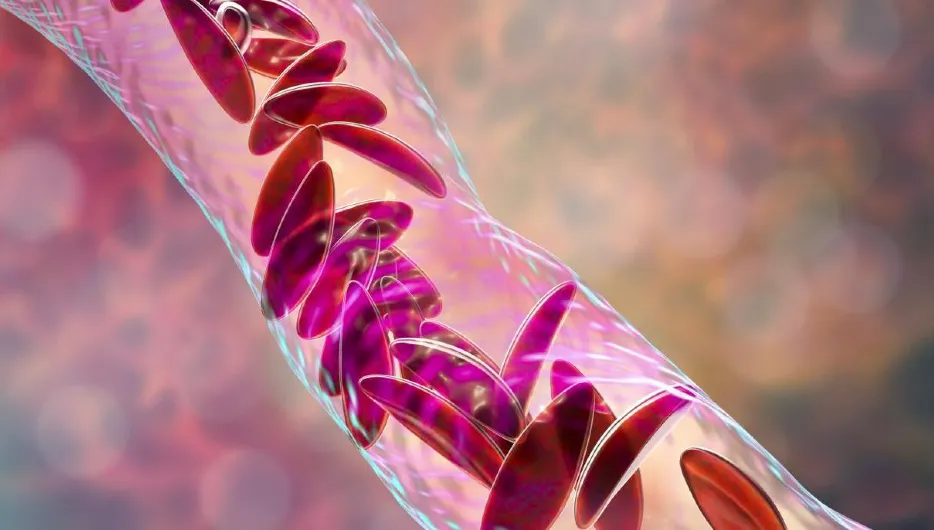
A study of an investigational gene therapy for sickle cell disease has found that a single dose restored blood cells to their normal shape and eliminated the most serious complication of the disease for at least three years in some patients.
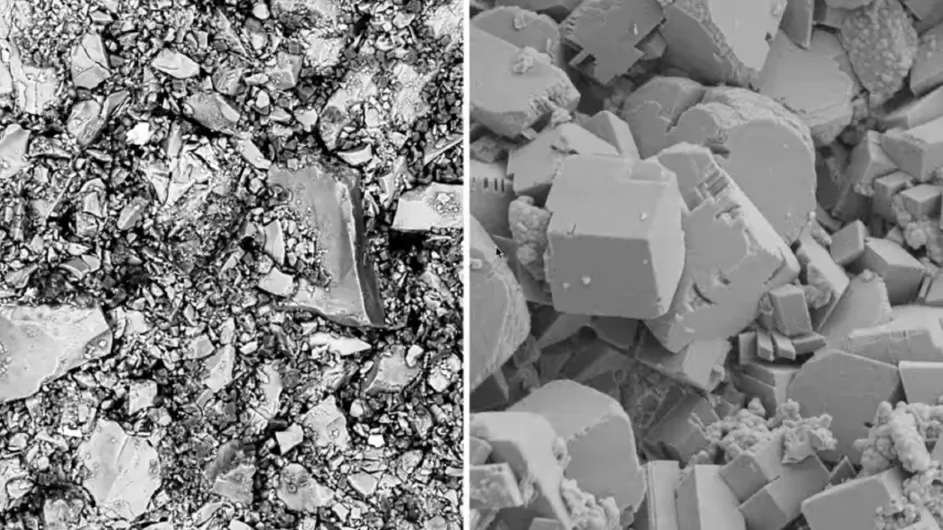
A laboratory experiment found that as CO2 solidified, it caused the rock around it to crack. In real reservoirs, this process could open up space to pump in more CO2.
New insights into the genetic architecture of schizophrenia could pave the way for predicting who is at risk of developing the disease.

A ban on heating oil #6 has been effective in reducing air pollution, says a new study that’s the first to provide a framework for evaluating the impact of NYC’s Clean Heat Program.
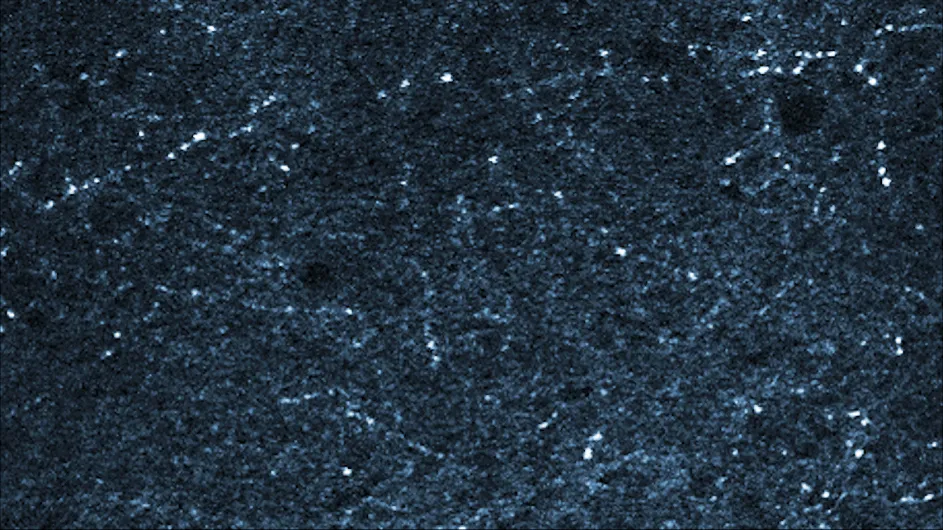
A study sheds light on how the brain remembers key information which might one day help treat memory disorders.
Hearing aids are getting better, and Americans will soon be able to buy them without a prescription. For those with hearing loss, the benefits may go beyond just being able to follow conversations.