

COLUMBIA SCIENCE IN THE NEWS
The New York Times
September 6, 2026
Science
August 28, 2026
The New York Times
August 20, 2026
RECENT STORIES

Columbia Engineering researchers develop computer vision algorithm for predicting human interactions and body language in video, a capability that could have applications for assistive technology, autonomous vehicles, and collaborative robots.
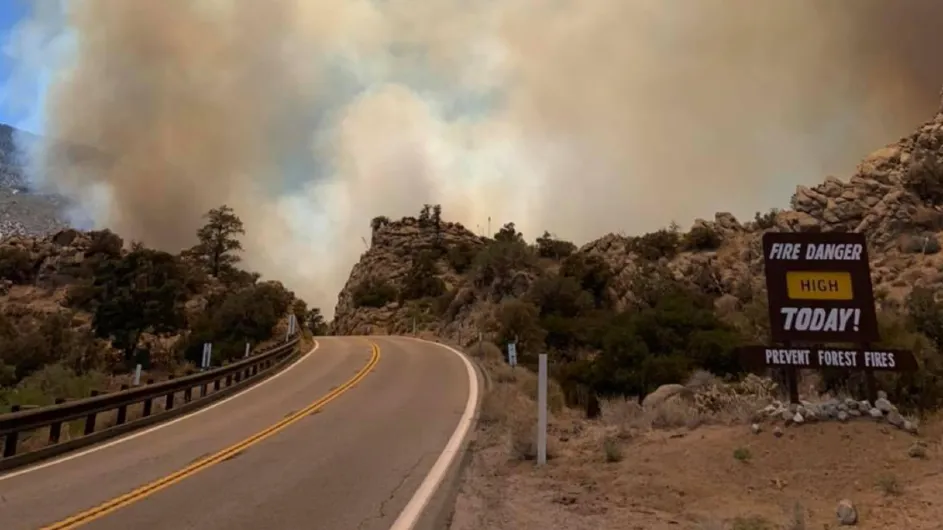
Climate change may be loading the dice for a difficult summer, according to researchers at Columbia University’s Lamont-Doherty Earth Observatory.
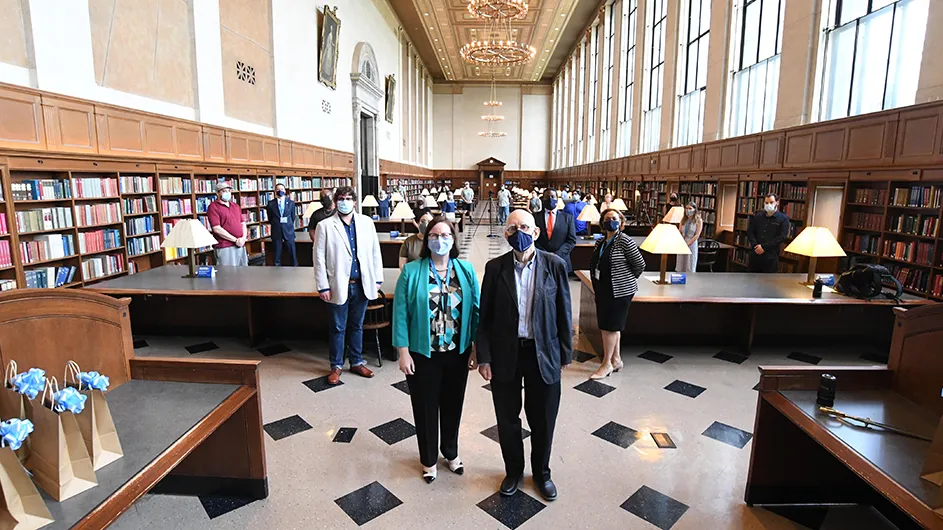
On June 21, Columbia University Libraries hosted a ribbon-cutting to symbolize the full reopening of library spaces. Here's what you can expect this fall.
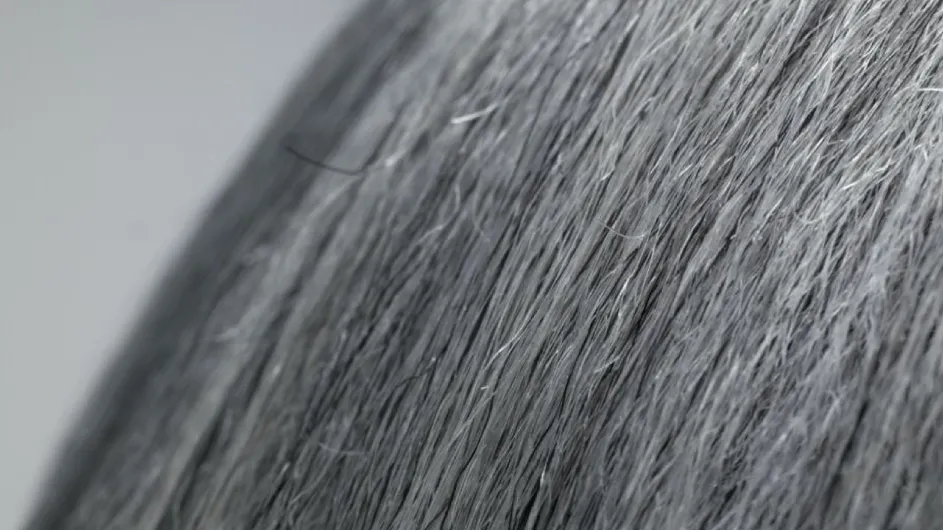
A new study by Columbia's Vagelos College of Physicians and Surgeons finds that stress can accelerate graying, but hair color can be restored if stress is eliminated.
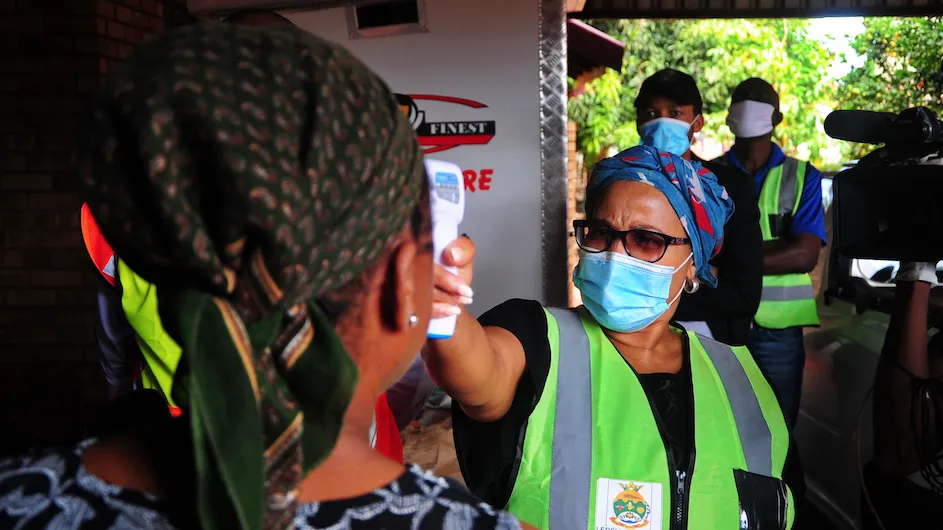
To control the COVID-19 pandemic, a majority of the world needs to be vaccinated. A group of researchers from Columbia University is working with local governments in African countries to help their communities get the vaccines they need.

Duvall's research focuses on the neural and molecular pathways that regulate biting and mating in mosquitoes.
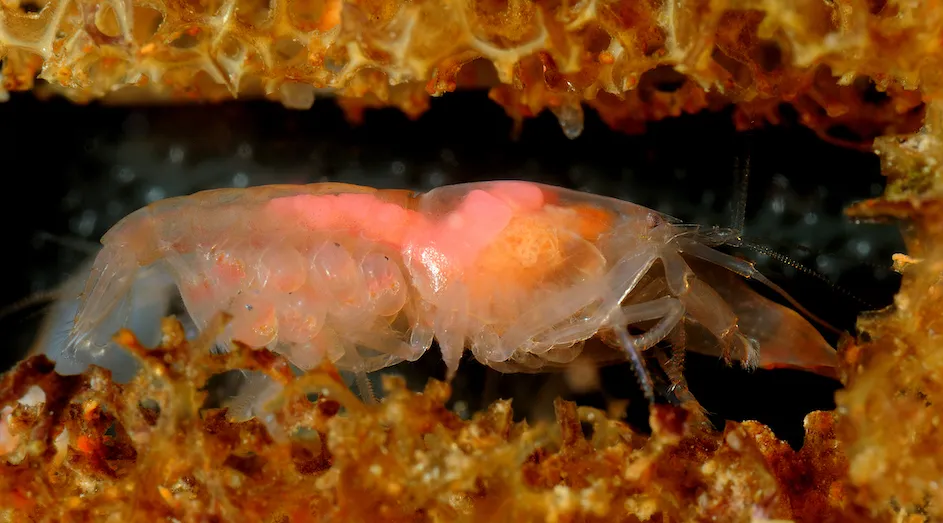
Thanks to “jumping” genes, the genomes of social species have become larger than those of their nonsocial relatives.

Beyond the talk and fantastical conspiracy theories there might be a silver lining in trying to solve the puzzle of unidentified flying objects.
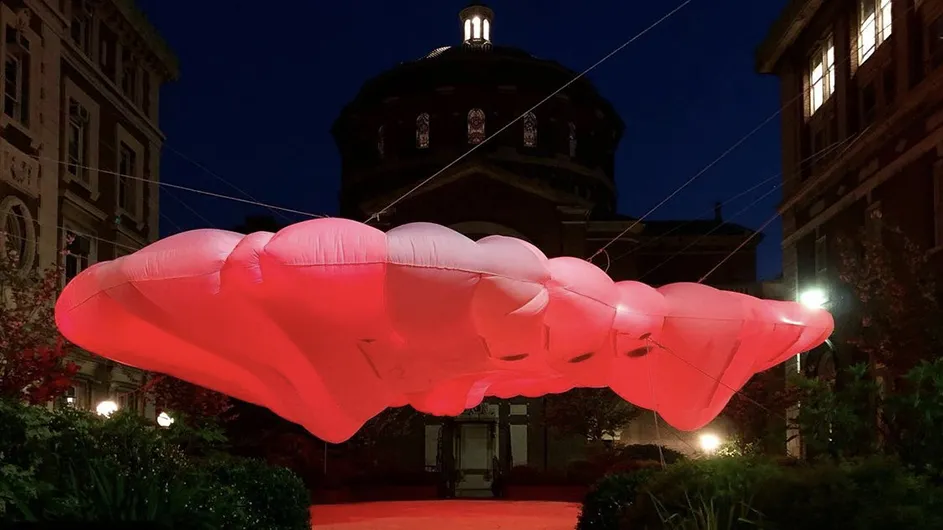
GSAPP students design and build a colorful, curving installation that enlivens its surroundings.
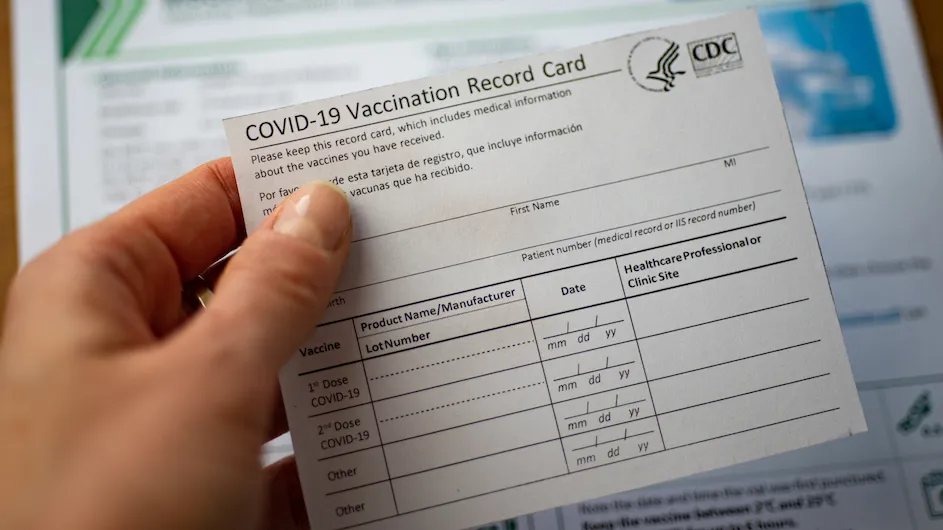
Four political science PhD students surveyed residents from six Latin American countries about their willingness to get a COVID vaccine. What they learned could help reduce vaccine hesitancy here in the United States and around the world.

Elena Aprile, Joan Birman, Sankar Ghosh, and Robert Jervis were elected by their peers in recognition of their outstanding achievements in research.
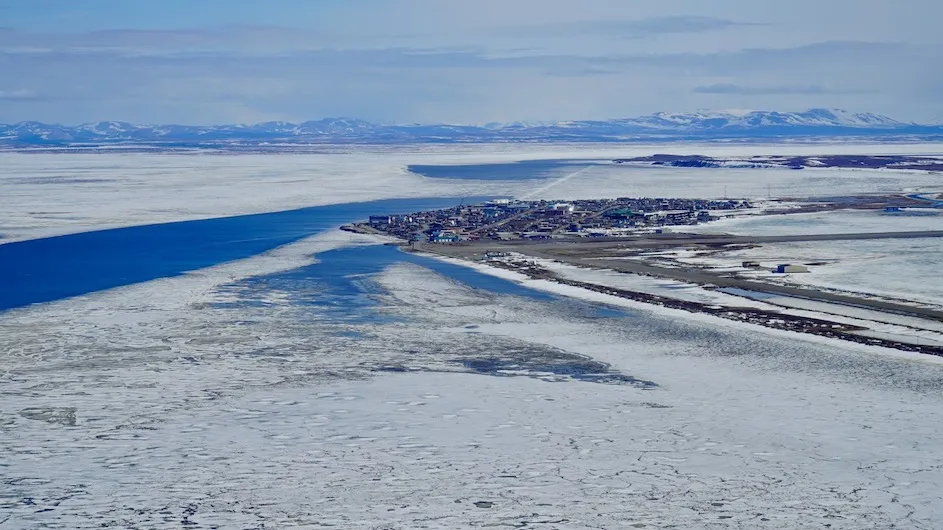
The sea ice is rapidly melting off the northwest coast of Alaska, endangering the Indigenous population. Lamont-Doherty Earth Observatory researchers joined forces with the local community to understand how climate change is affecting their region.