

COLUMBIA SCIENCE IN THE NEWS
The New York Times
September 6, 2026
Science
August 28, 2026
The New York Times
August 20, 2026
RECENT STORIES
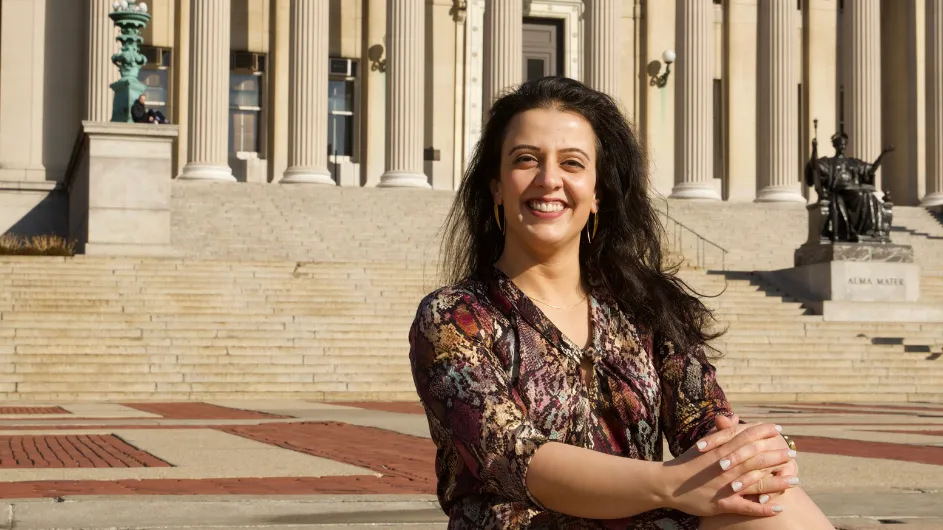
Columbia chemistry postdoc Elena Meirzadeh shares what’s so special about superatoms and her path through science so far.

What stories grabbed the attention of our readers in 2022? The results may surprise you.
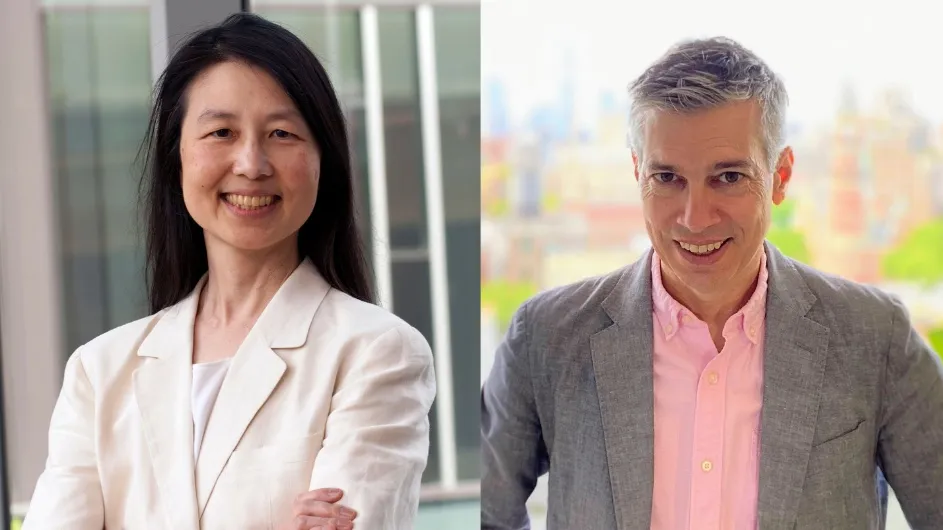
Jeannette Wing and Chris Wiggins are co-authors of a book on the promises and perils of the burgeoning field.
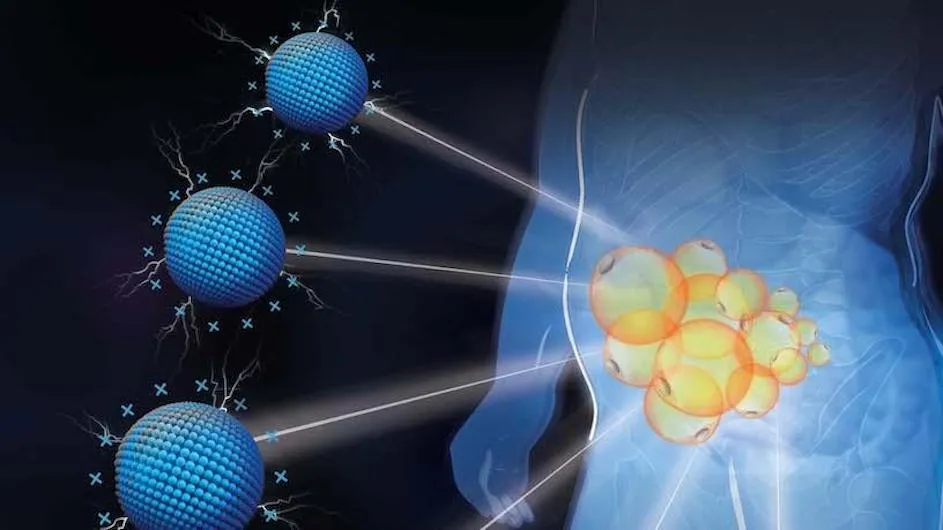
Researchers at Columbia have identified a new method of inhibiting unhealthy fat cell storage.
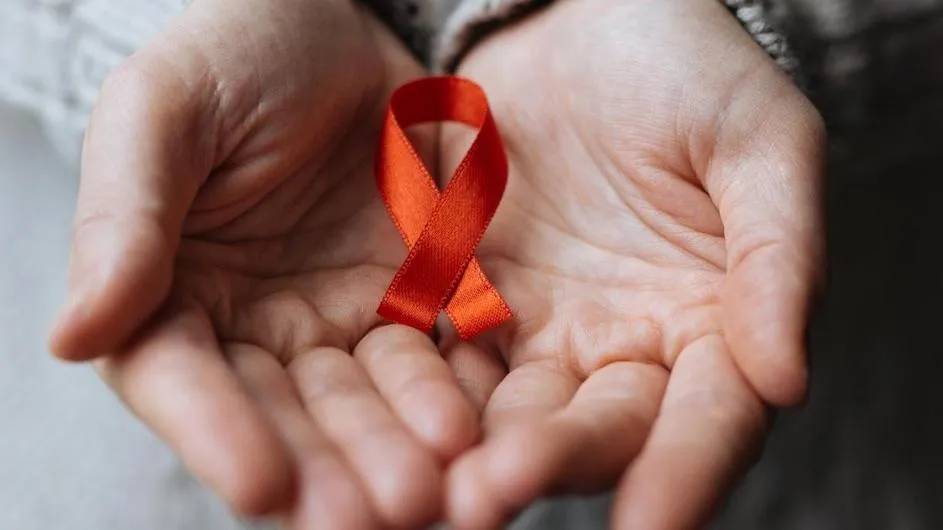
Tremendous achievements have been made in the global HIV/AIDS response, yet obstacles remain.
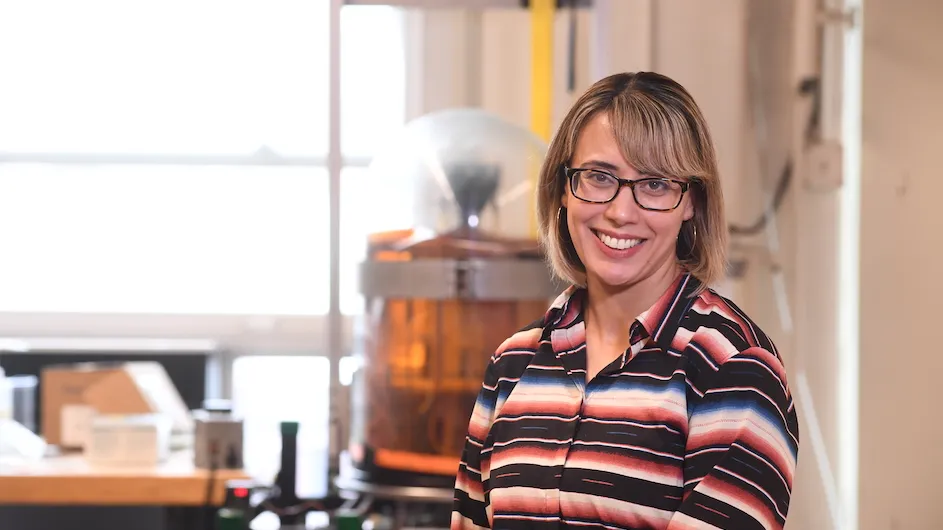
Kerstin Perez joined Columbia from MIT this summer, and is using cutting-edge techniques to identify the particle nature of dark matter.
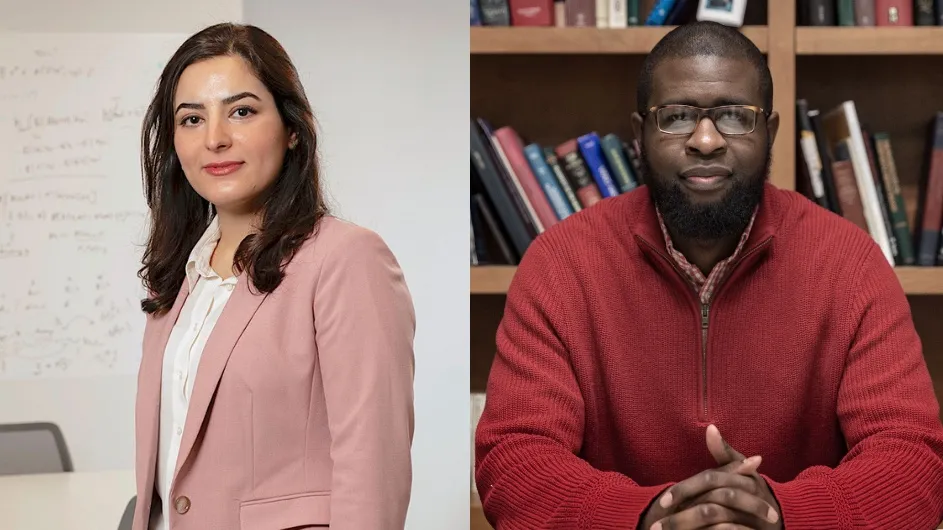
The awards will support one project on inflammatory pain and one that will guide improved breast cancer treatment.
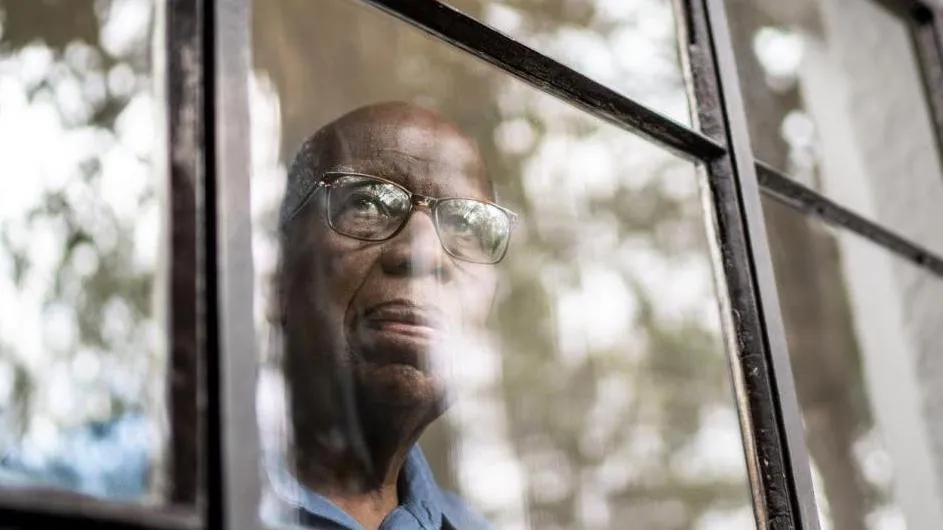
Columbia researchers also found that 22% of U.S. adults ages 65 and older have mild cognitive impairment.
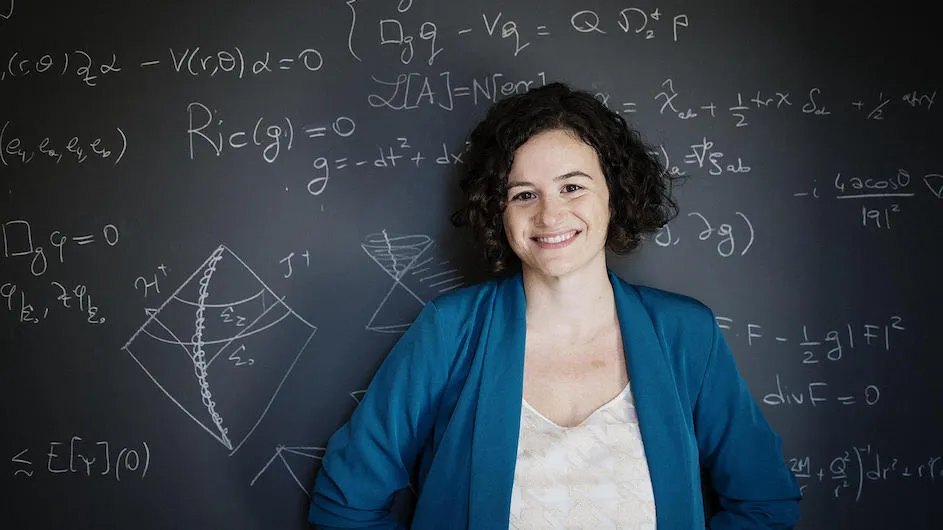
Professor Giorgi shares how she showed that black holes are stable, and how a discovery as a Columbia student charted her professional “destiny.”
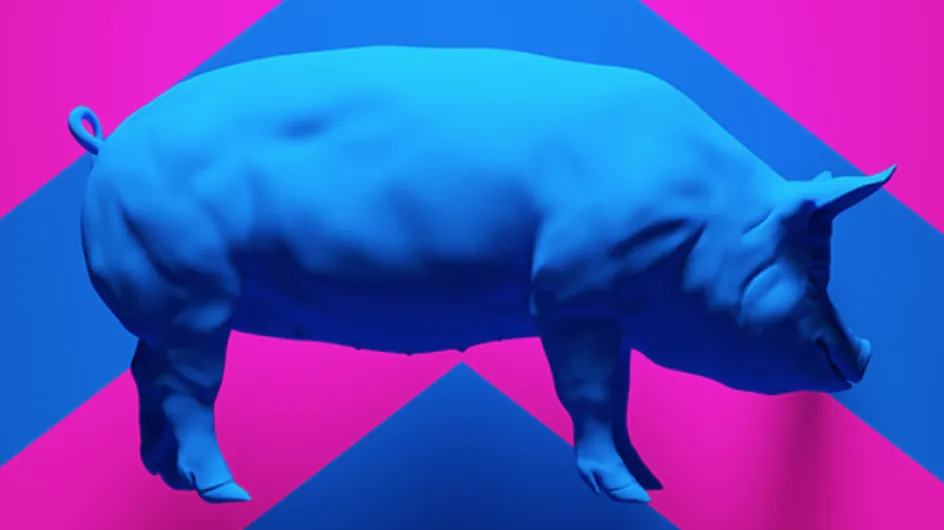
Recent developments have brought potentially lifesaving technologies closer to fruition.

Christopher Ahmad, chief of sports medicine at Columbia and head team physician for the New York Yankees, answers questions about his work.
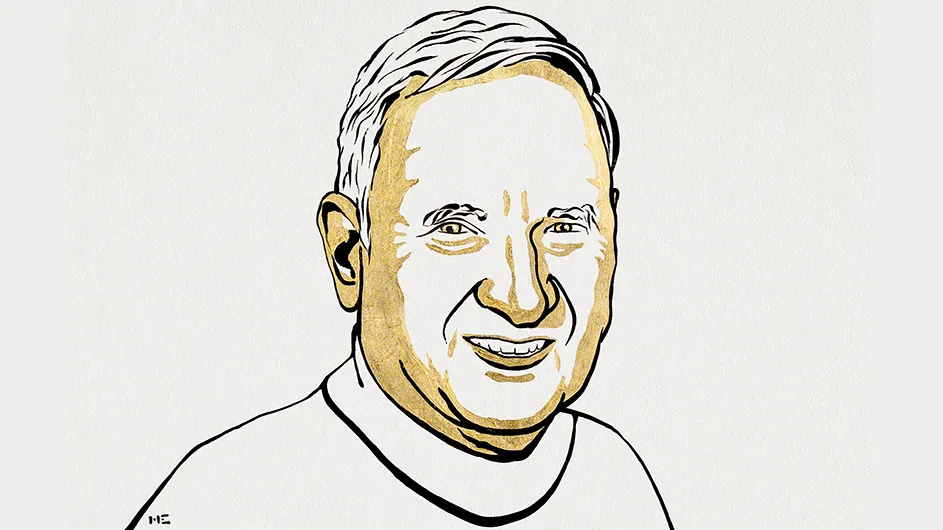
John F. Clauser, who received his PhD from Columbia in 1969, was one of three scientists awarded the 2022 Nobel Prize in Physics.