

COLUMBIA SCIENCE IN THE NEWS
The New York Times
September 6, 2026
Science
August 28, 2026
The New York Times
August 20, 2026
RECENT STORIES

Kathy McKeown heads up two large grants—one to analyze cross-cultural norms and another to better understand grief in the Black community.
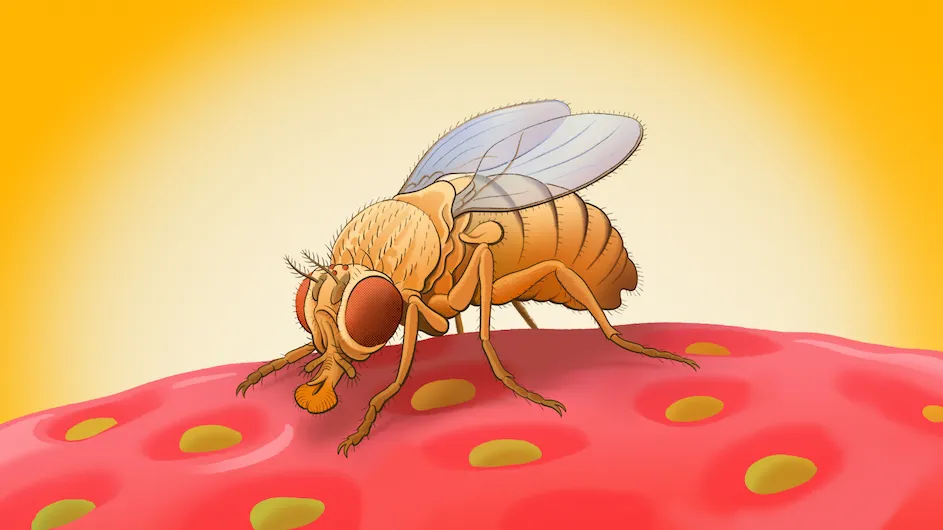
As you squash the fruit flies invading your kitchen this summer, take a moment to revere them.

An innovative program uses VR therapy to help youth with social anxiety disorder.
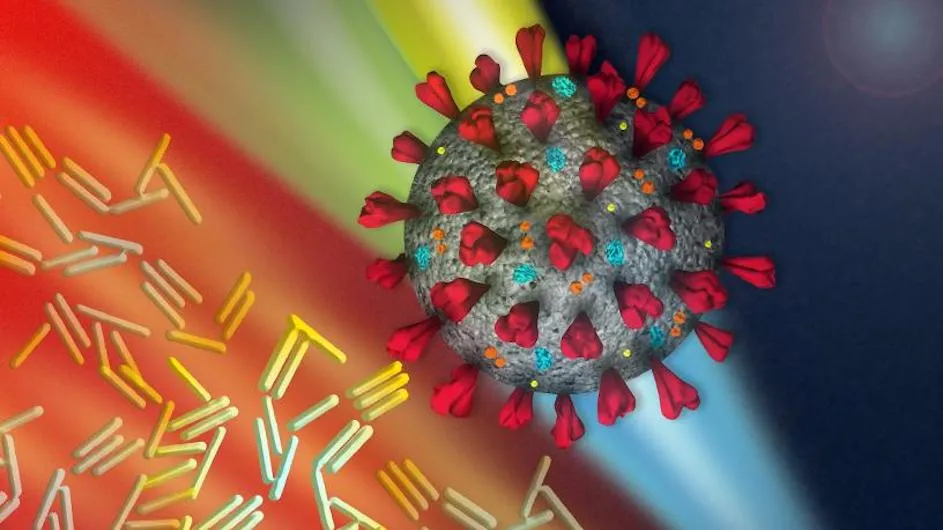
Columbia researchers have developed a low-cost, portable platform that gives RT-PCR results in 23 minutes.

A new study will evaluate the benefits of greening and health-related interventions for affordable housing residents.
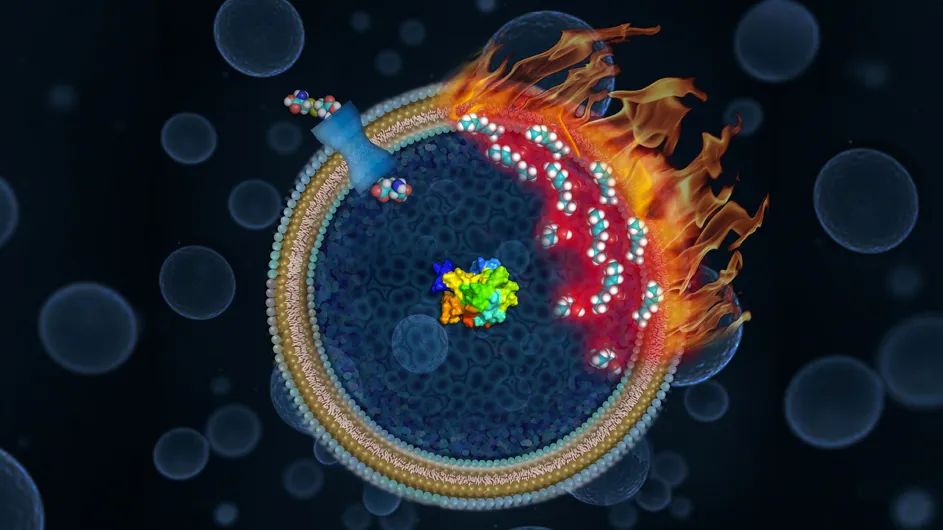
A new journal article by Columbia professor Brent R. Stockwell marks the ten-year anniversary of the discovery of ferroptosis, a form of cell death that could help treat life-threatening illnesses like cancer.
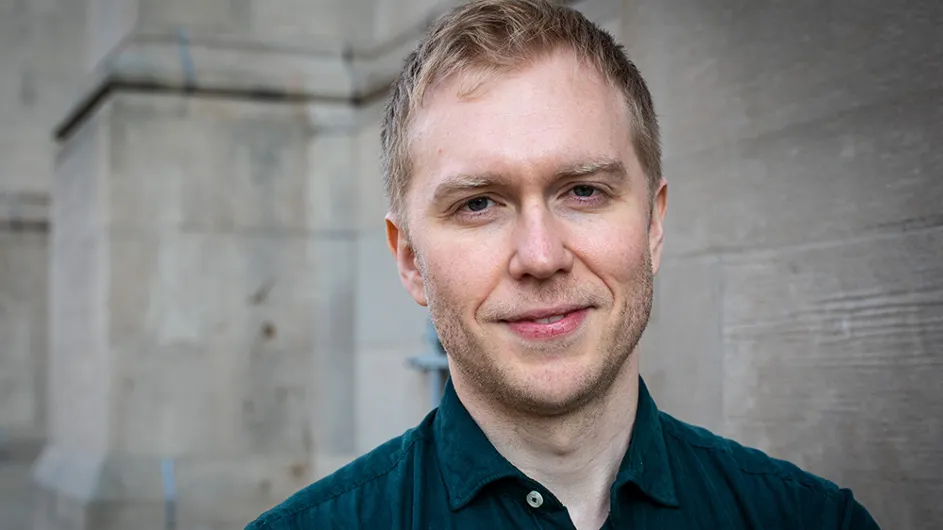
Postdoc Aaron Schein explains how he fell into data science while studying policy and why negative scientific results should be celebrated.
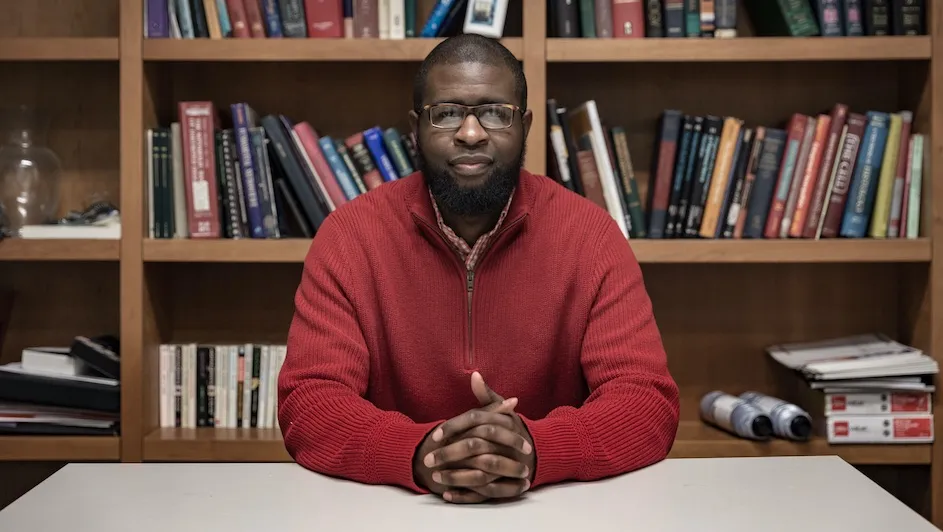
The Abdus-Saboor lab will explore how the brain processes the physical sensation and emotional experience of pain.

PhD student Luhuan Wu explains how statistics can make stars in distant galaxies easier to see and shares her secrets for taking stunning photos.
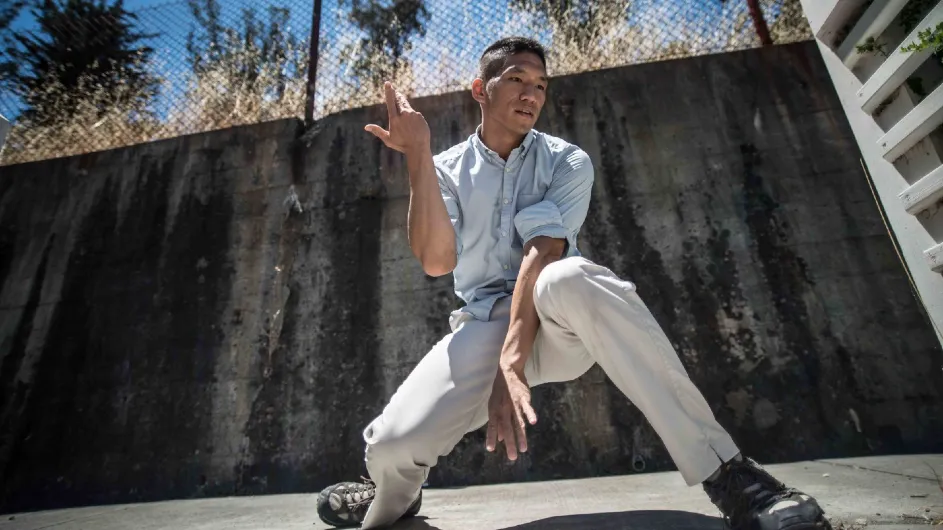
Wayne Lee discusses his experience as a Taiwanese-American and explains why he left Silicon Valley to teach statistics.
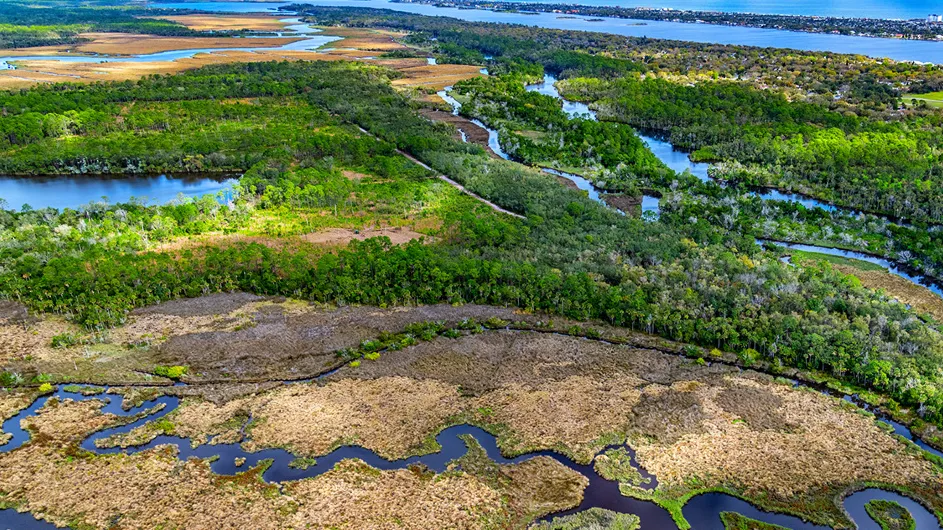
The benefits of higher CO2 levels on plants disappear under flooding, a three-decades long experiment reveals.
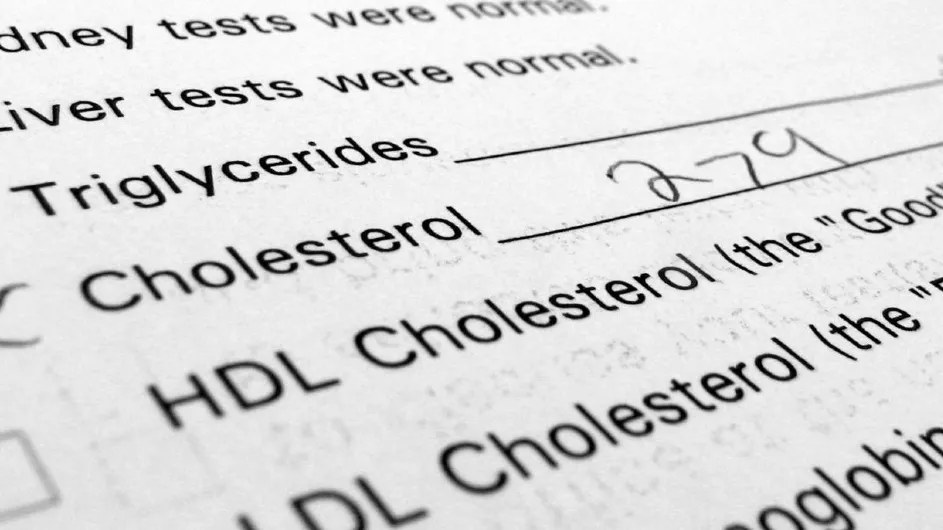
A screening program that combines genetic and lab testing could identify 1 million Americans at risk of early death from heart disease.