

COLUMBIA SCIENCE IN THE NEWS
The New York Times
September 6, 2026
Science
August 28, 2026
The New York Times
August 20, 2026
RECENT STORIES
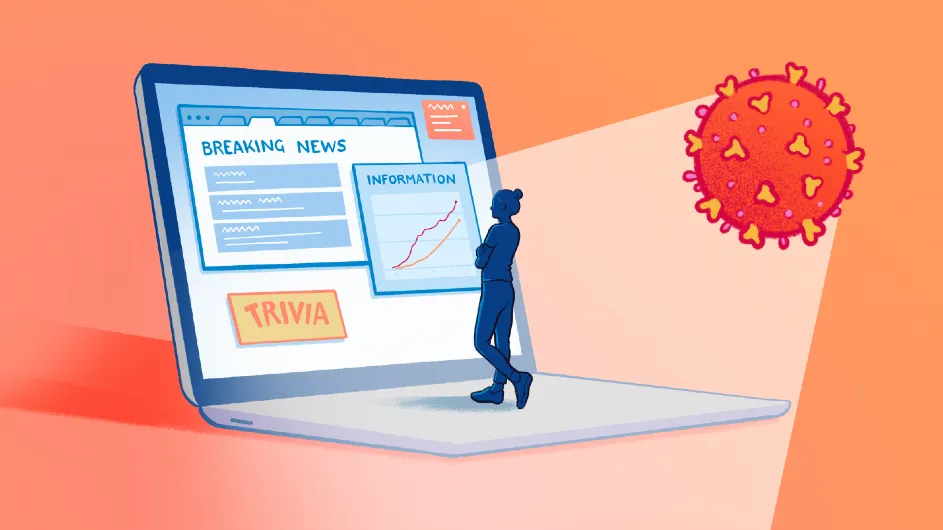
When motivated to seek specific information, people tend to also become receptive to more information types.
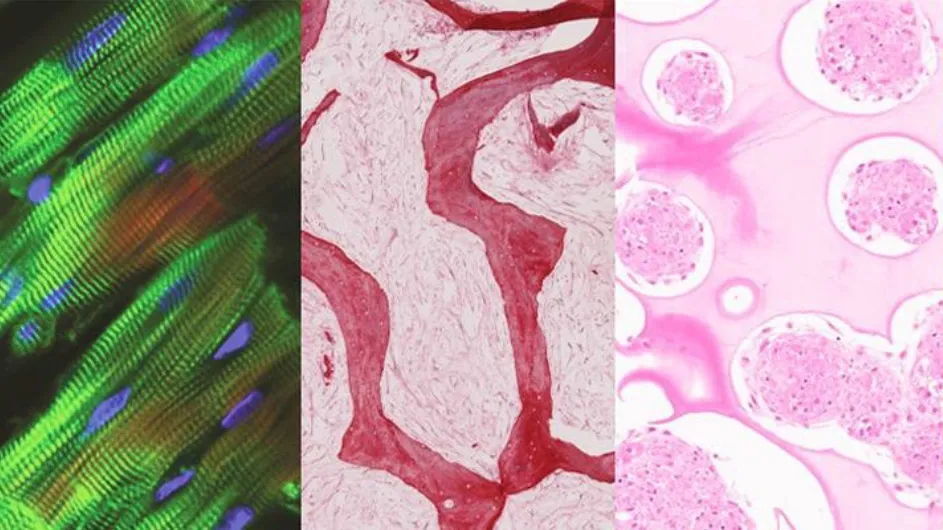
Columbia researchers have built a human tissue-chip system that links heart, liver, bone, and skin tissue modules.
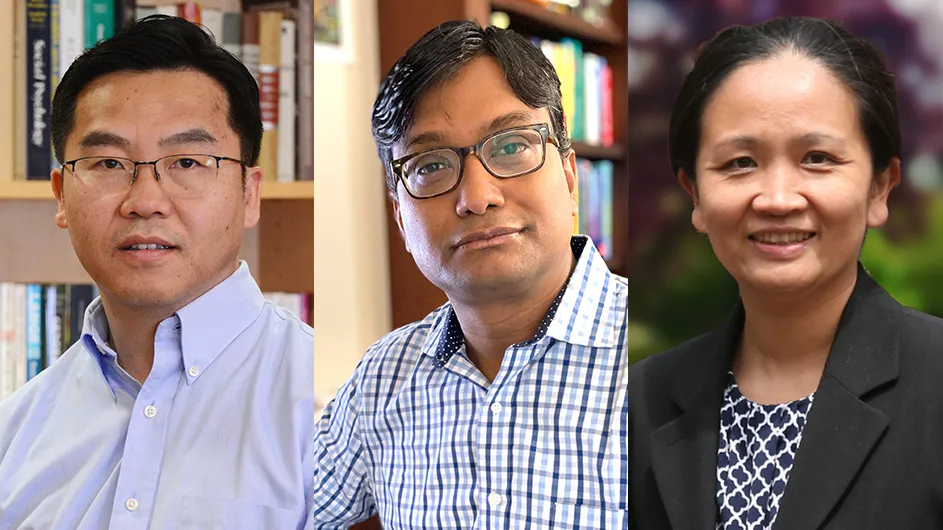
Professors Zhezhen Jin, Bodhi Sen, and Tian Zheng were recognized for their contributions to statistics.
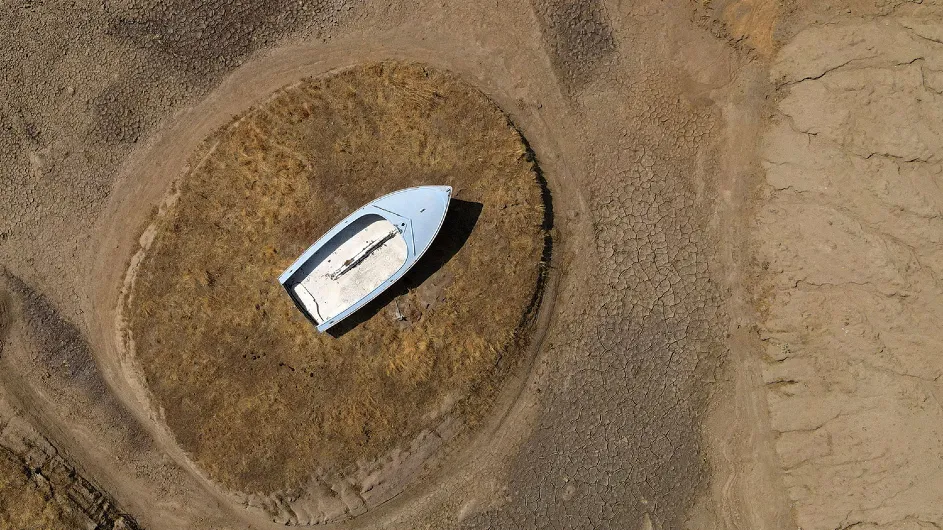
Columbia experts are on the frontlines of climate change, documenting the dangers and developing solutions.
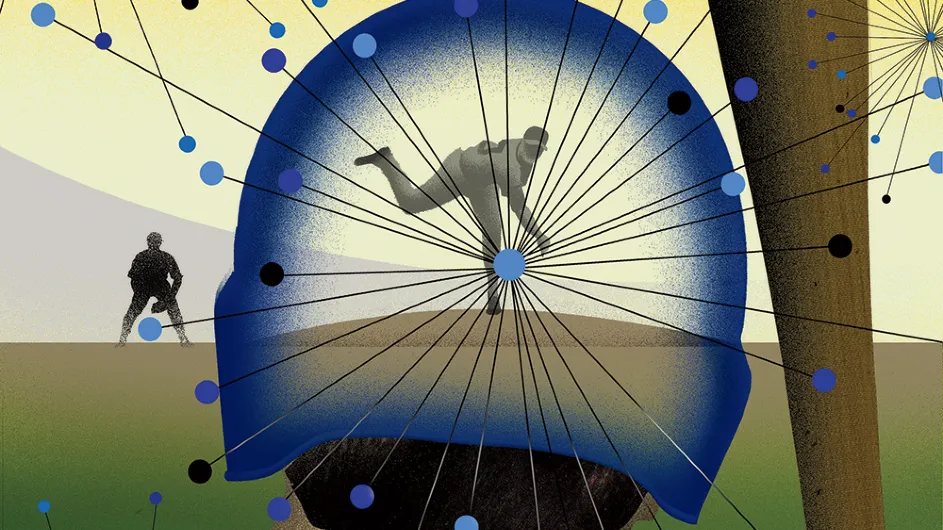
What neuroscience and psychology can tell us about baseball – and ourselves.
For Earth Day, learn about how science at its smallest scale is applied to the depths of our planet.
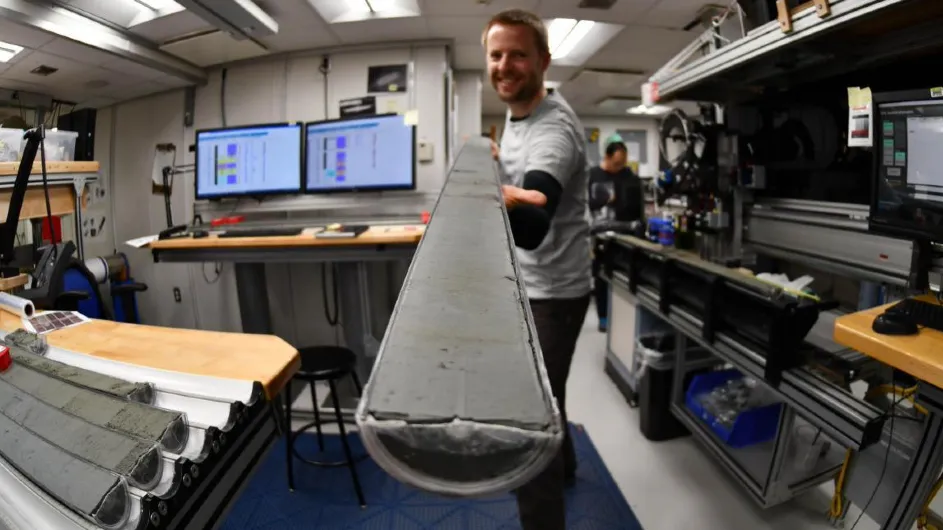
In much of the global ocean, there’s evidence that iron-rich dust blowing from land has fertilized algae during cold periods.

Minority neighborhoods where residents were long denied home loans have twice as many oil and gas wells as mostly white neighborhoods.
Columbia researchers have developed an algorithm that blocks devices from listening in on conversations.

In a new modeling study, researchers show how widely wind and solar potential vary by season and year.
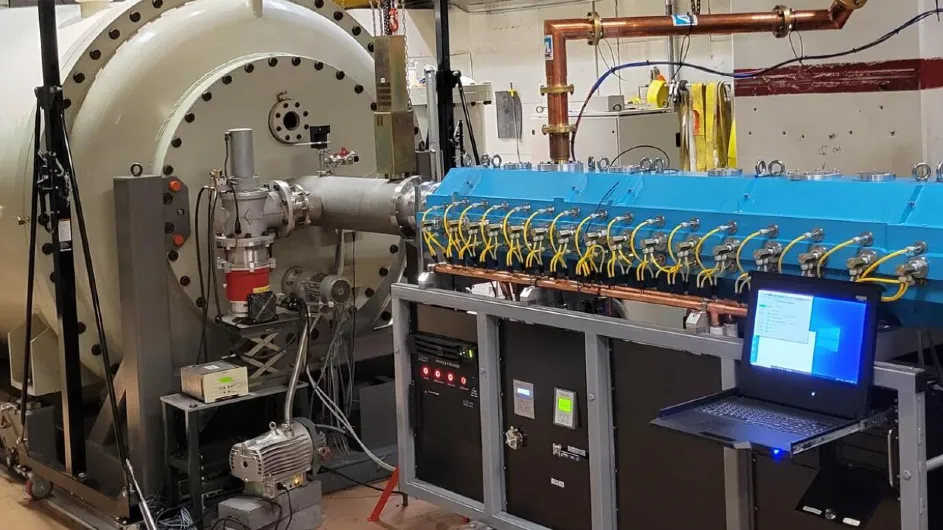
Heavy ions may be able to kill tumor cells more effectively than photons, while producing fewer effects on healthy nearby cells. A new grant will allow researchers at Columbia University Irving Medical Center to investigate this promising therapy.
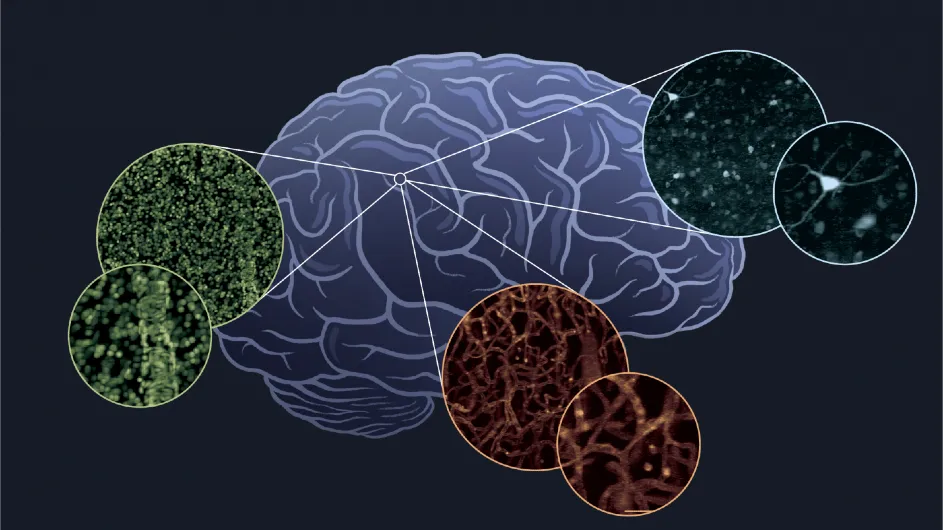
Columbia’s Zuckerman Institute and collaborators have won a $9.1 million grant to develop entirely new maps of the brain.