Recent news about neuroscience and the brain from across Columbia.
Study points to possible treatments and confirms distinction between memory loss due to aging and that of Alzheimer's.
Looking at how sensory information is processed in rats, Dr. Randy Bruno found that signals are processed in two parts of the cortex simultaneously rather than in series—almost as if there are two brains.
Columbia University President Lee C. Bollinger announced Dec. 17 that Mortimer B. Zuckerman has pledged $200 million to endow a Mind Brain Behavior Institute to support interdisciplinary neuroscience research and discovery by scholars across the University.
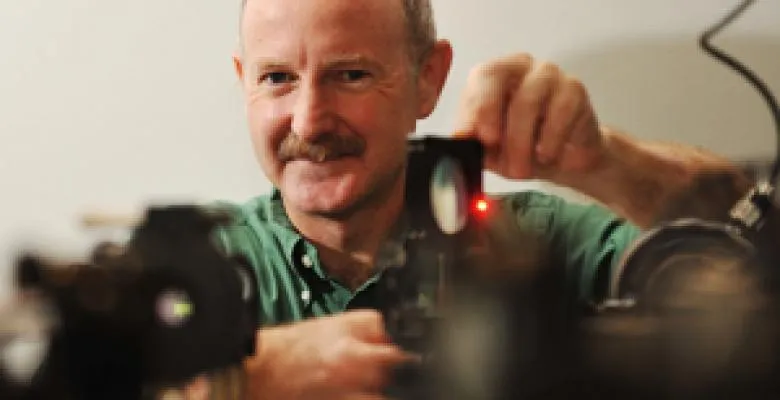
Rafael Yuste, a professor of biological sciences and neuroscience, is a leader of the Brain Activity Map Project, a massive effort to create a dynamic map of the mind. Its aim is to reconstruct a full record of neural activity, which could unlock fundamental and pathological brain processes.
A new study by Columbia Engineering researchers finds that the infant brain does not control its blood flow in the same way as the adult brain.
Columbia University Medical Center (CUMC) researchers have identified a protein trafficking defect within brain cells that may underlie common non-familial forms of Parkinson’s disease.

Seeking to bridge the transition from pediatric to adult care for people living with cerebral palsy, Debby and Peter A. Weinberg, with several of their family members and friends, have given more than $7 million to help establish the Weinberg Family Cerebral Palsy Center at Columbia University Medical Center (CUMC).
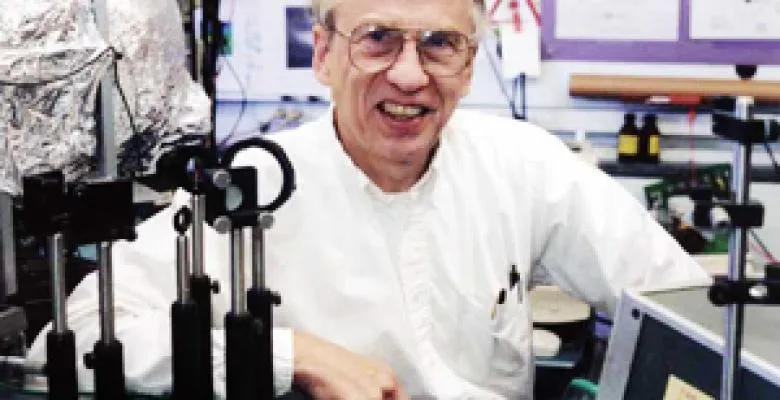
Jim Yardley has seen firsthand how the nanotechnology field has exploded over the past decade. “It’s extremely exciting,” says the managing director of Columbia’s Nanoscale Science and Engineering Center.
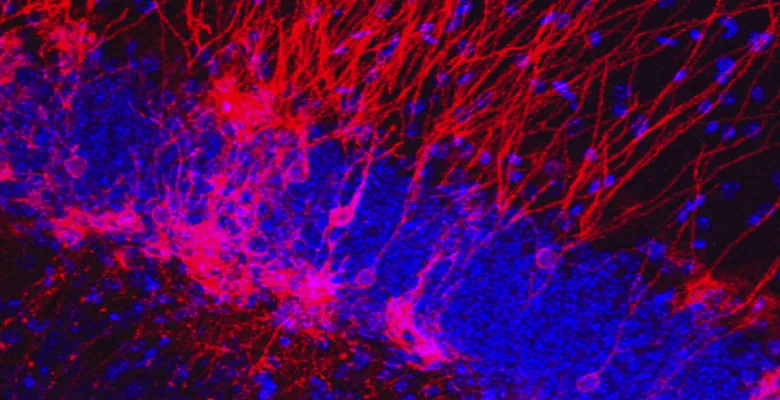
In the hippocampus, the dentate gyrus—which uses pattern separation to form new memories—is one of two areas of the brain where neurogenesis takes place.

In his research, Axel explains that the sense of smell is possible because neurons directly connect the brain to the outside world. Receptors on the neurons of the nose pick up odors from the environment and send that information directly to the olfactory bulb, the first relay station in the brain.
About 10 percent of kids born with kidney defects have large alterations in their genomes known to be linked with neurodevelopmental delay and mental illness, a new study by Columbia University Medical Center (CUMC) researchers has shown.