

COLUMBIA SCIENCE IN THE NEWS
The New York Times
September 6, 2026
Science
August 28, 2026
The New York Times
August 20, 2026
RECENT STORIES
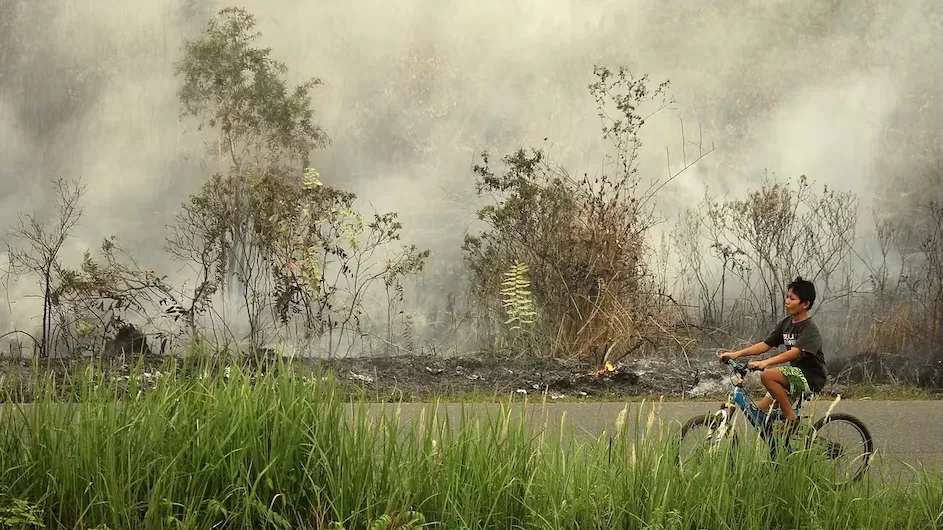
Columbia Climate School experts explain what El Niño is and what we can expect if a true “super” El Niño develops.
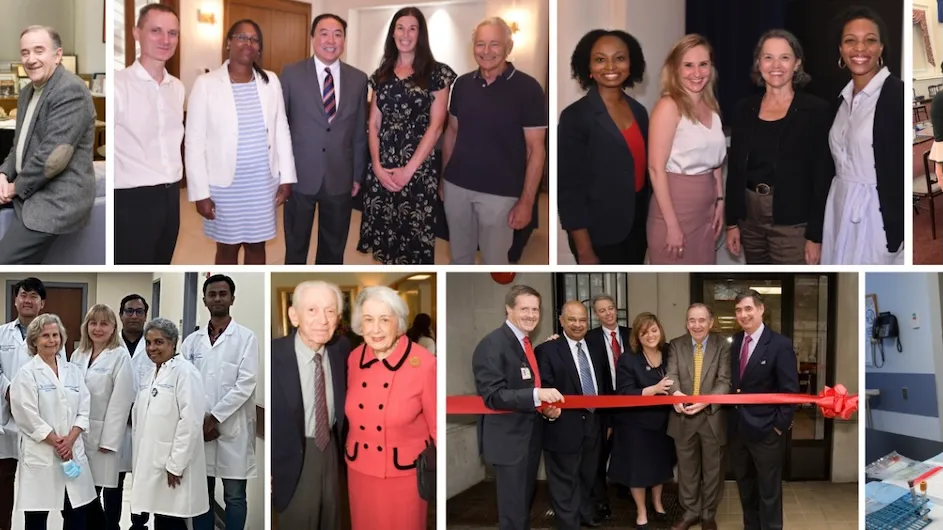
The Institute enables medical investigators to move discoveries from bench to bedside more efficiently and with greater impact.
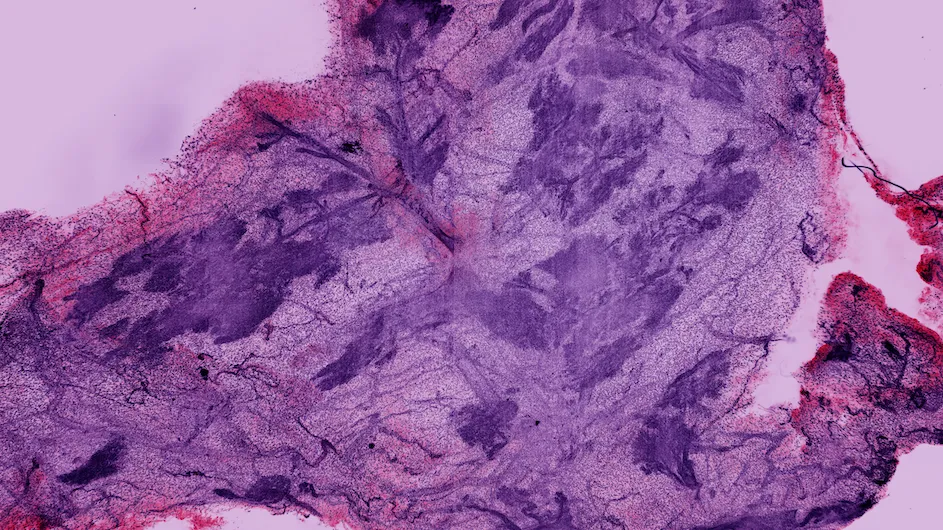
After a family history of cancer, a former New York City law firm partner takes on BRCA2 research at Columbia.

Even what many Americans consider moderate drinking is linked to an increased risk of death, disability, and chronic disease.
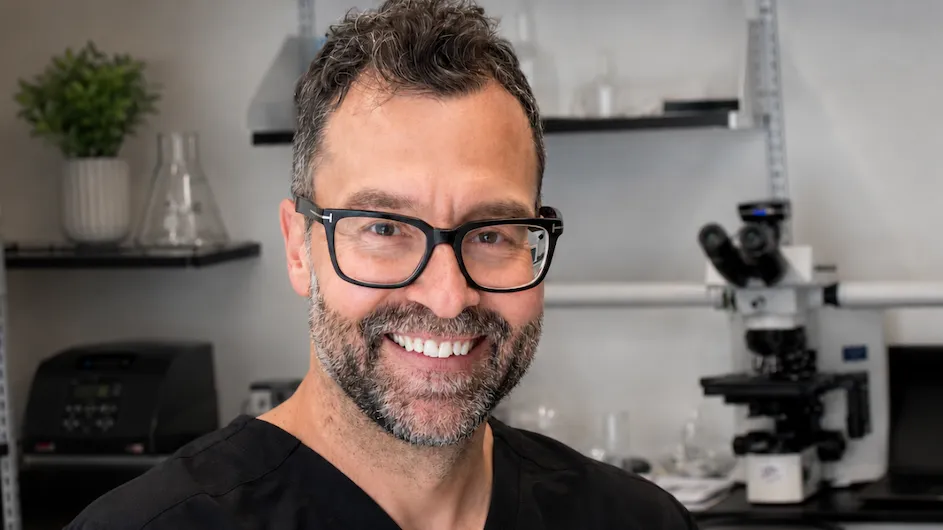
Professor Raju Tomer and colleagues have developed a new design that lets inexpensive microscopes match or beat costlier systems.
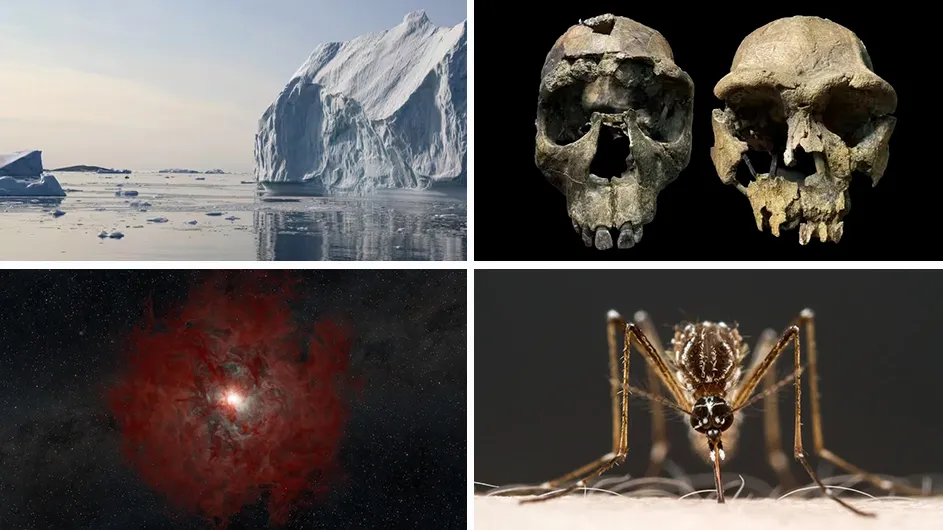
Here are some of the top scientific research findings of the past academic year.

When the universe was just 850 million years old, this voracious black hole was already surprisingly mature, a new study finds.
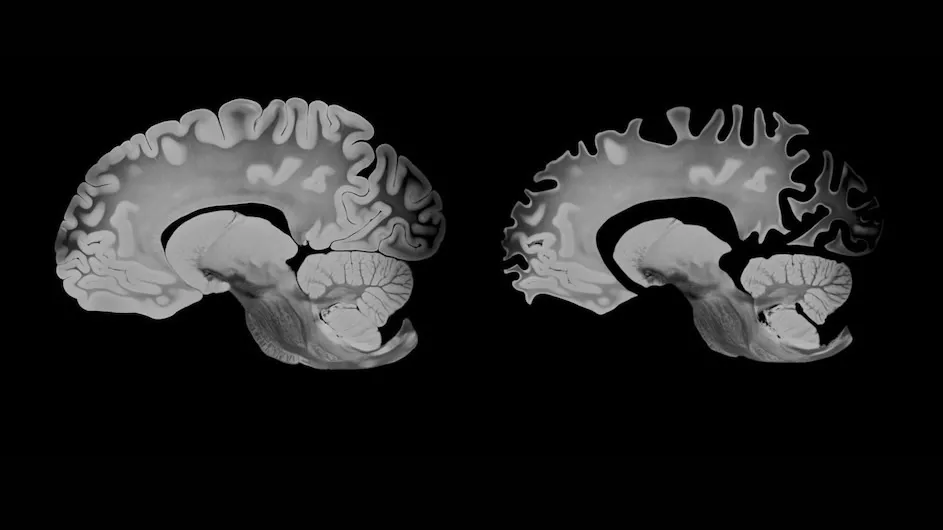
The findings raise the prospect of future Alzheimer’s drugs that could help stop the disease at its source.
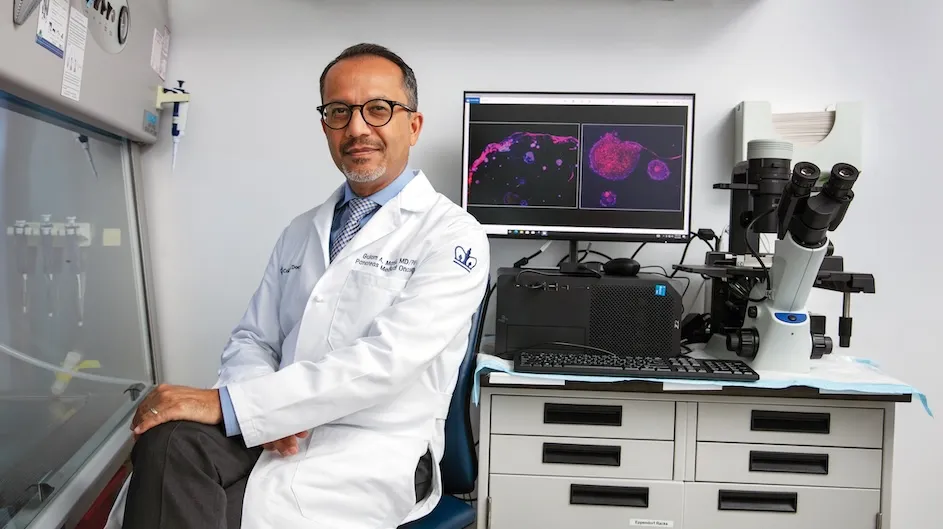
A new targeted therapy nearly doubled survival in patients in a landmark trial.

Urban communities isolated by roadways and traffic patterns are associated with more schizophrenia-related hospital visits.
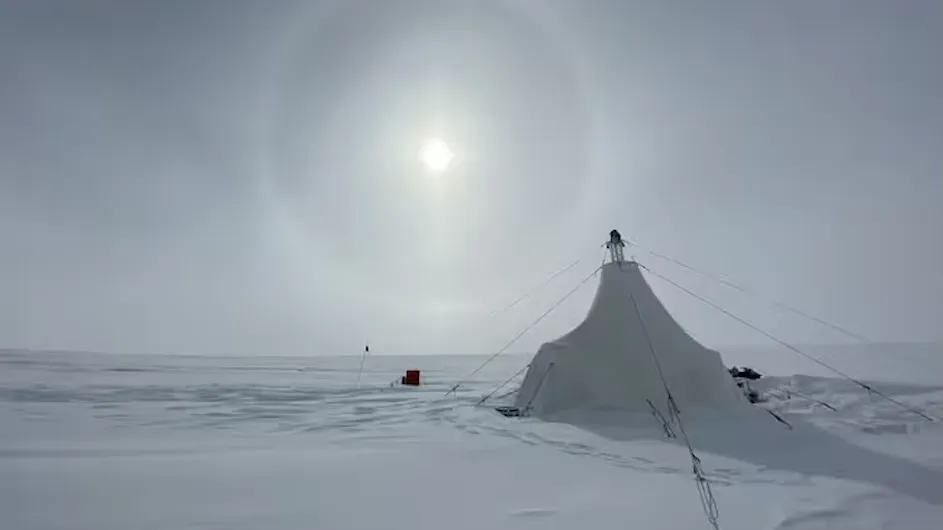
The findings raise concerns about the ice sheet's future stability.

Professor Maximiliano Isi contributed to new LIGO-Virgo-KAGRA findings that shed light on black holes and the nature of the universe.