


COLUMBIA SCIENCE IN THE NEWS
The New York Times
September 6, 2026
Science
August 28, 2026
The New York Times
August 20, 2026
RECENT STORIES
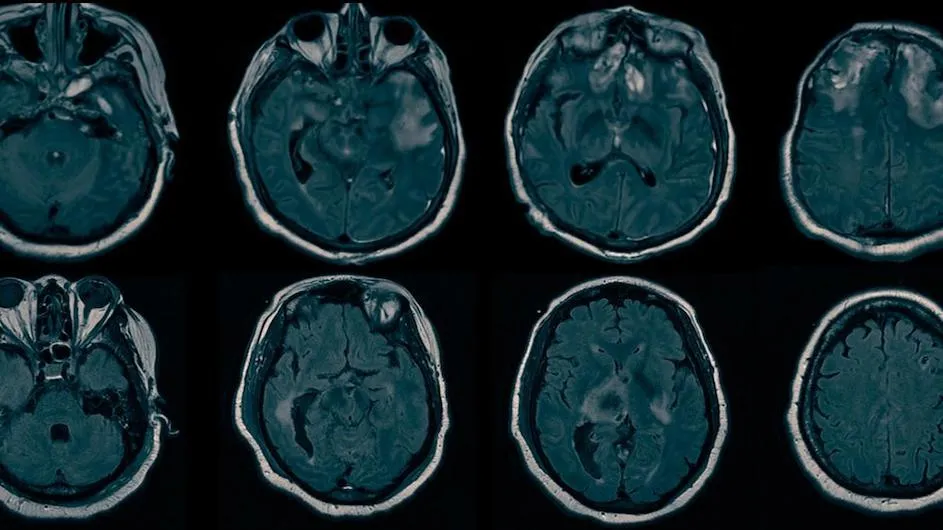
A study found that, with surprising frequency, unresponsive patients with brain injuries show clear signs of cognitive function.
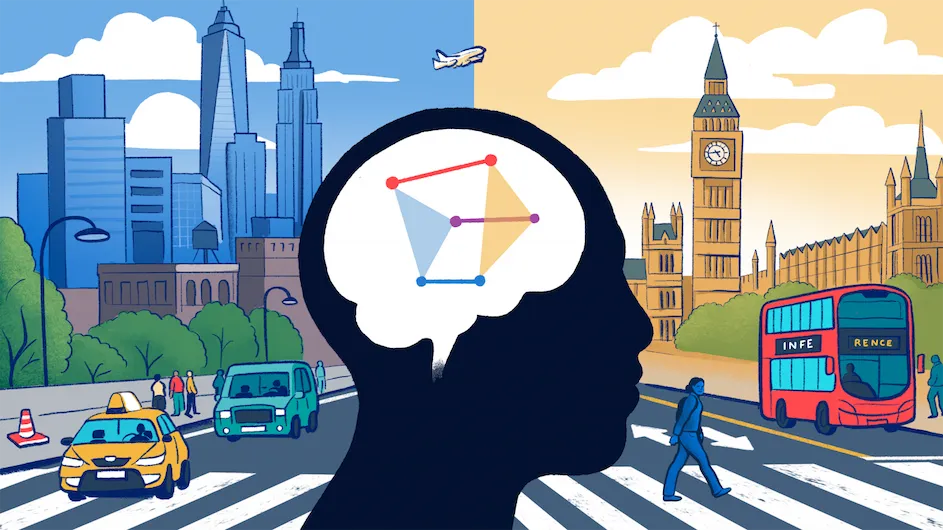
A new study has yielded a pathbreaking trove of data on how a person’s brain abstractly represents acts of reasoning.
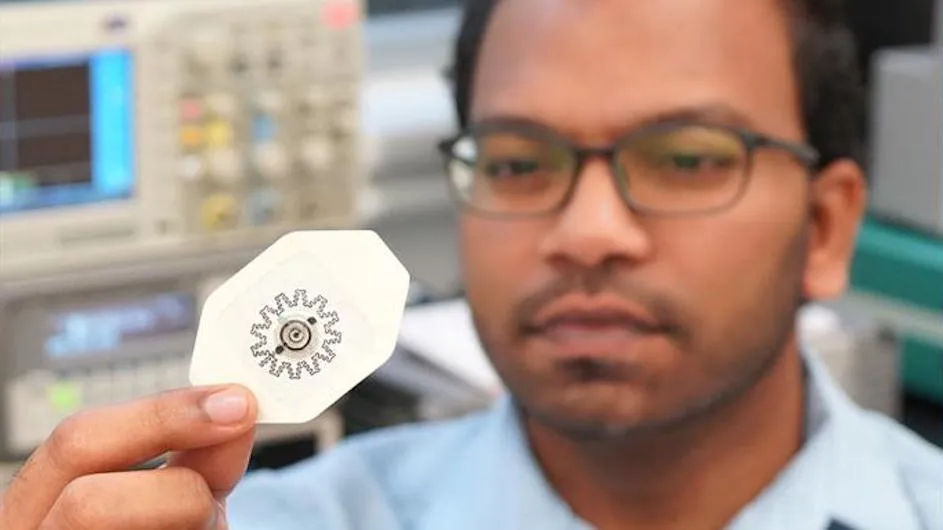
Columbia researchers have developed an inexpensive bandage that uses an electric field to promote healing.

Bacteria can create free-floating and ephemeral genes, raising the possibility that similar genes exist in us.
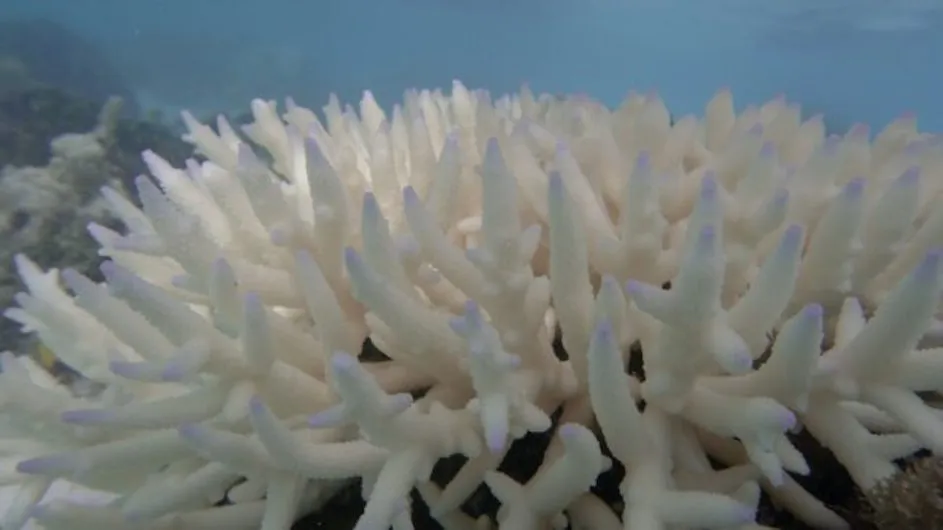
A new study shows that the world’s largest reef system is under unprecedented pressure.
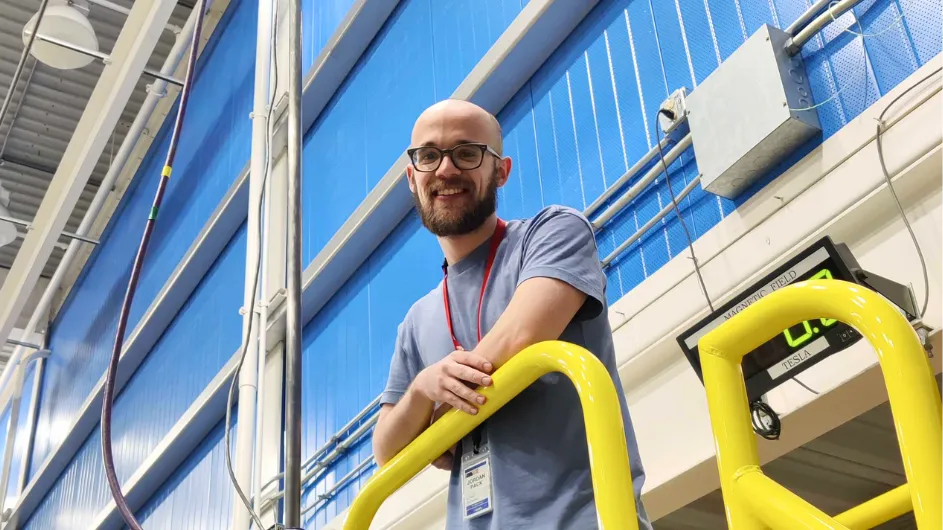
Columbia Physics PhD student Jordan Pack talks about a new technique to study the electronic properties of quantum materials.

Columbia’s core curriculum led rising senior Aman Choudhri to his new life as a “policy wonk.” He also likes to dance.

Some trees produce isoprenes that interact with pollutants to form ground-level ozone, a prime factor in respiratory ailments.

Marie Lilly is doing new research on where ticks are present in New York parks, and how people understand their exposure risk.
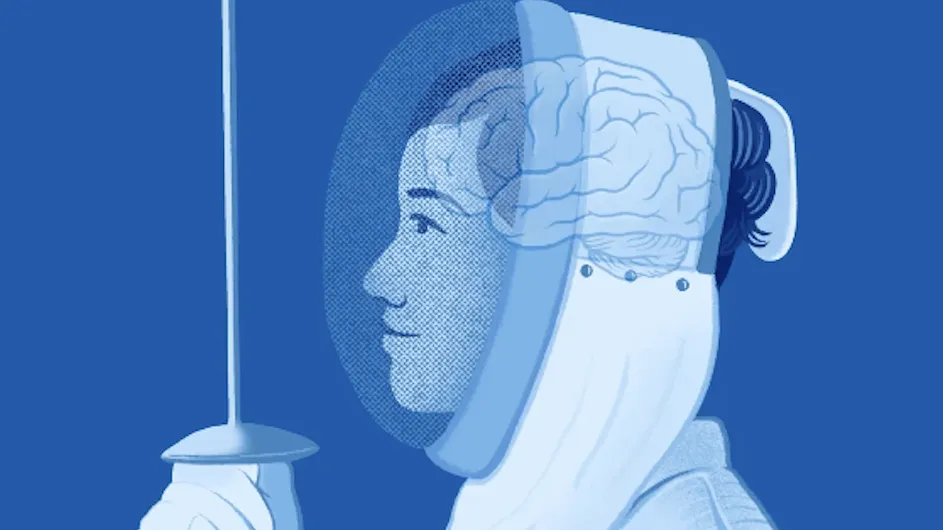
A Columbia neuroscientist and fencing coach explain how Olympic-level fencers train their bodies and their minds.

New York City recently passed a law that will ban gas-powered heaters, cooking stoves, and water boilers in all new buildings.
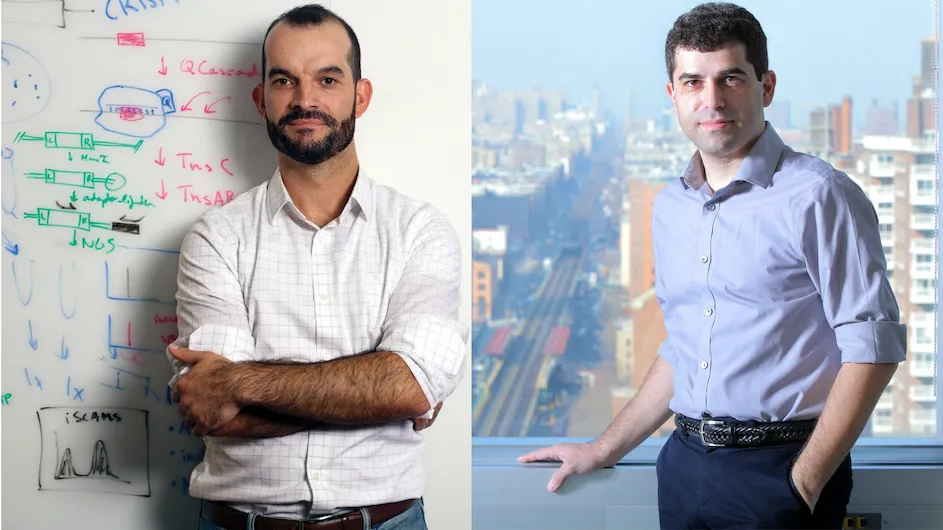
The appointments are highly sought after and provide each new investigator with stable and generous support.