

COLUMBIA SCIENCE IN THE NEWS
The New York Times
September 6, 2026
Science
August 28, 2026
The New York Times
August 20, 2026
RECENT STORIES

A new study suggests the need to re-evaluate how shaking from any future sizable quake may be distributed across the region.
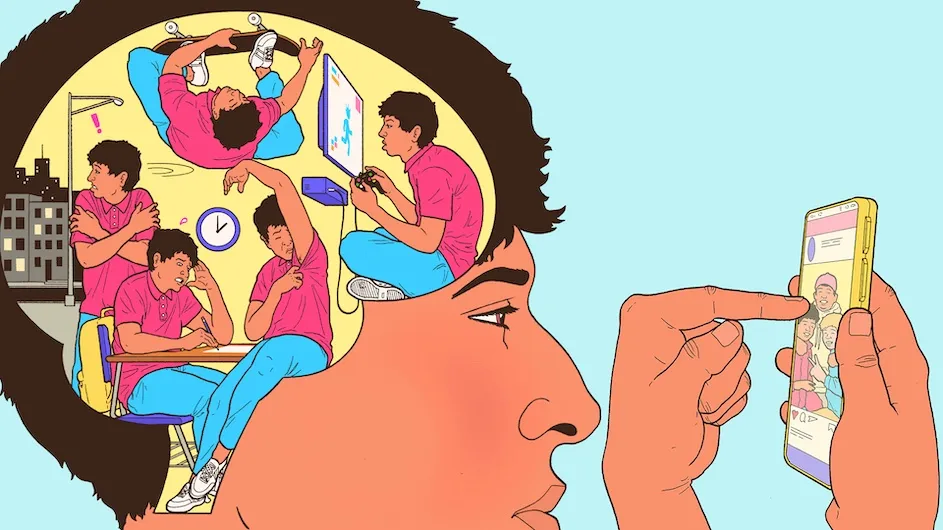
Scholars at Columbia peer into the plugged-in adolescent mind and assess the impacts of a digital upbringing.
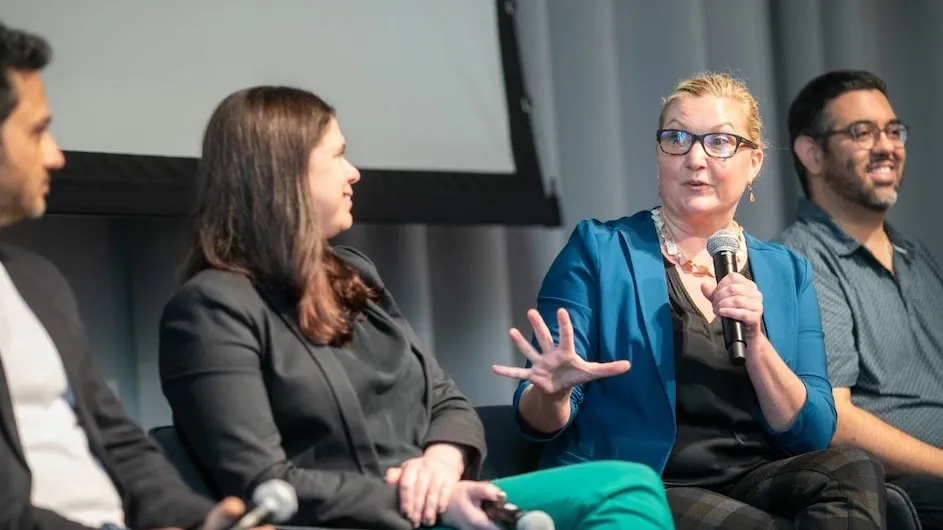
The Columbia-Dream Sports AI Innovation Center, which recent held its first symposium, is charting the future of AI and sports.
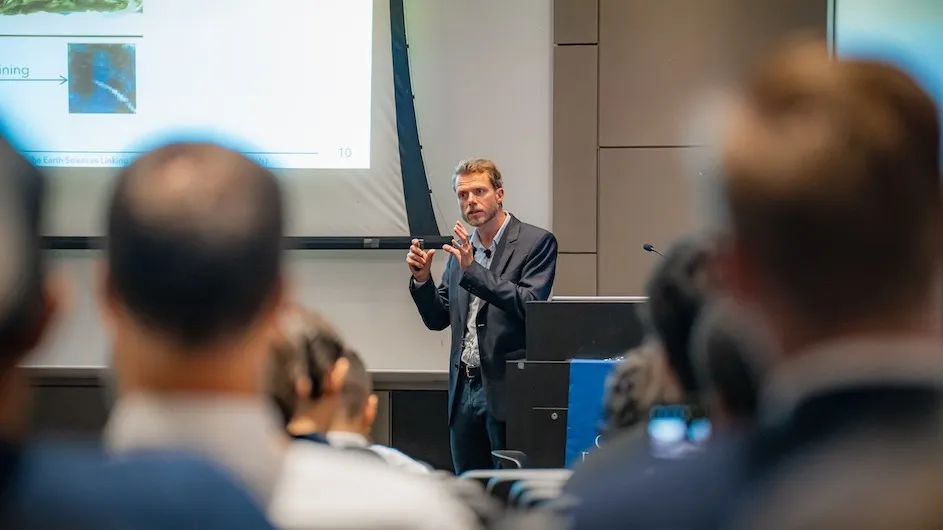
A talk by professor Pierre Gentine kicks off a new initiative from Columbia Engineering, the Lecture Series in AI.
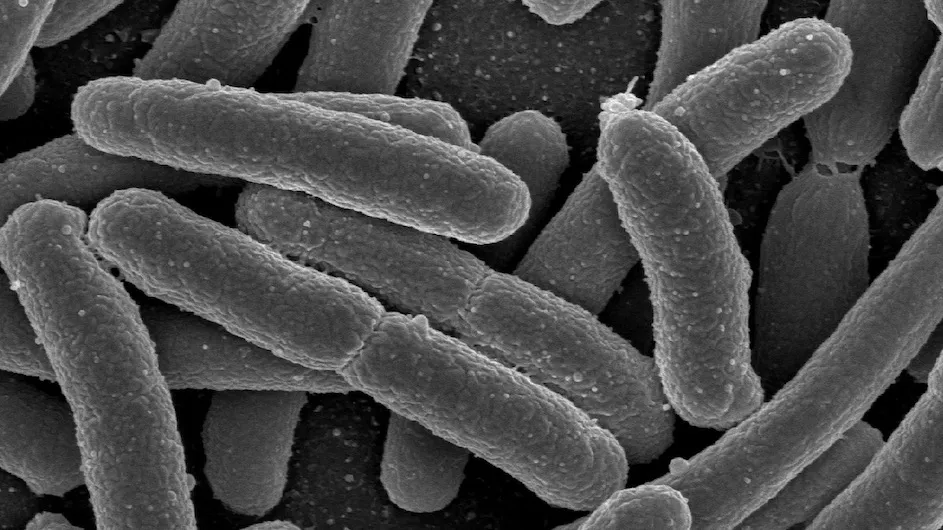
Columbia researchers have engineered bacteria to destroy cancer cells, opening the door for a new class of cancer vaccines.
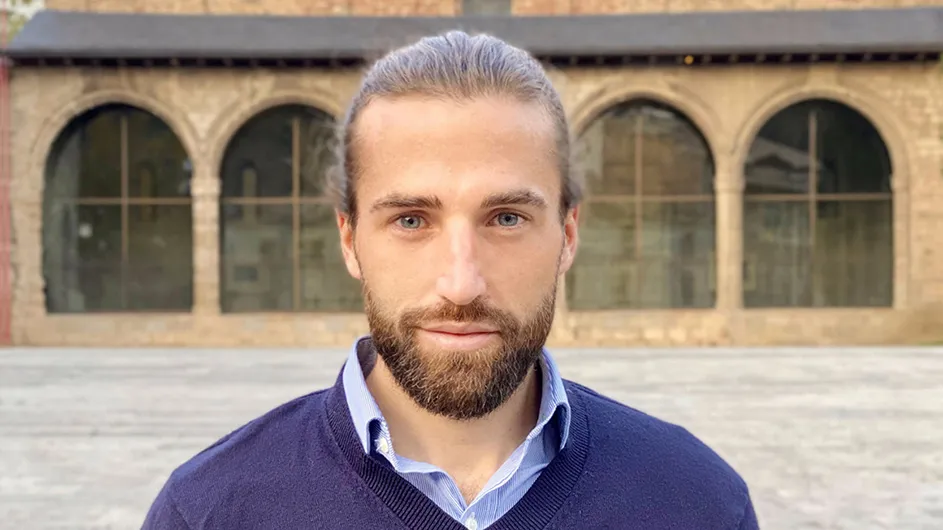
Gerard Torrats-Espinosa had an unlikely path to his current role researching crime and policing in U.S. cities.
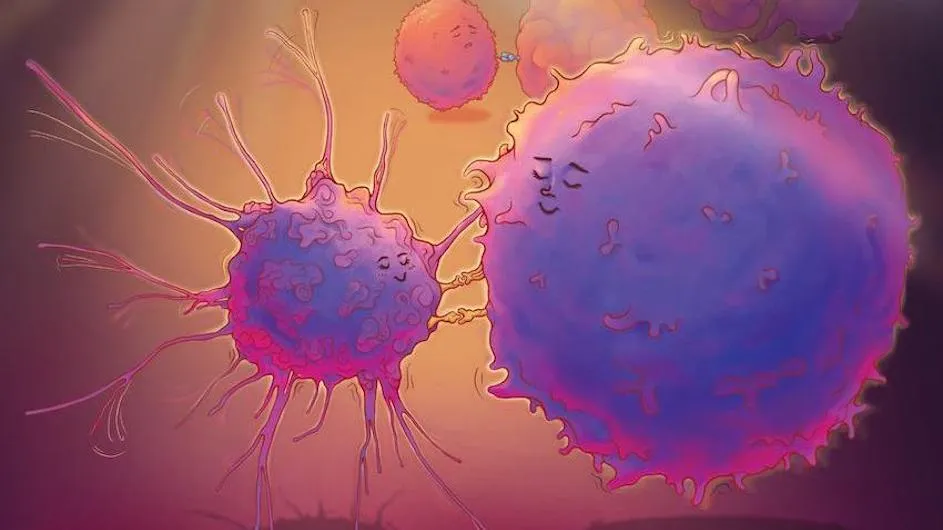
The interactions play a critical role in how our bodies respond to disease treatment.

A new study offers a comparatively affordable and accessible way of assessing dementia risk.
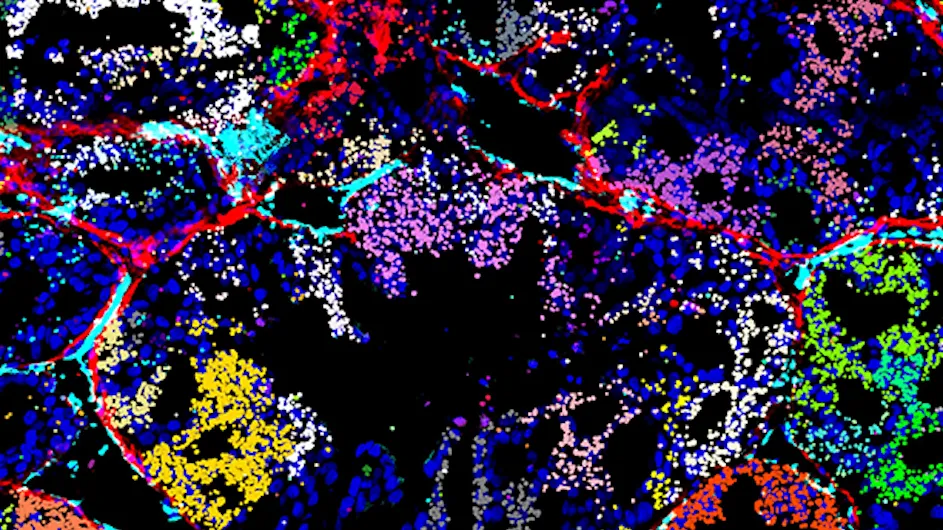
The approach empowered the Gaublomme lab to study the DNA damage response for hundreds of variants in breast cancer.
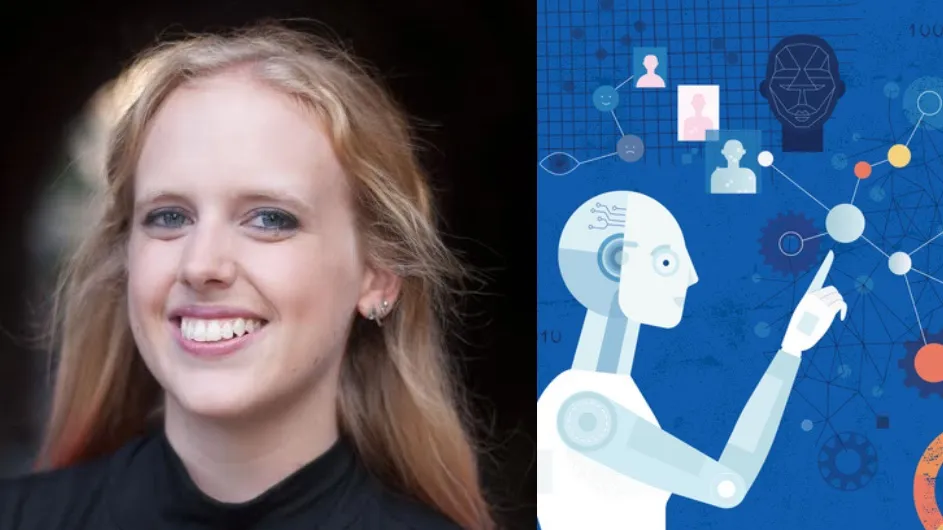
Savannah Thais has ideas for how to make AI systems more transparent and dependable.
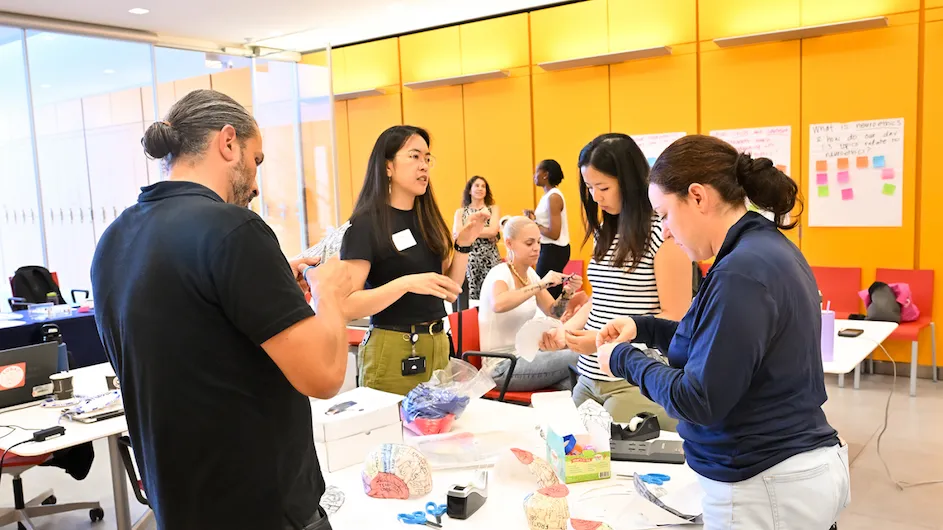
A Zuckerman Institute workshop aimed to equip middle school teachers with some of the tools of neuroscience.

A park restoration project led by Columbia faculty held a celebration to mark successes and demonstrate next steps.