
COLUMBIA SCIENCE IN THE NEWS
The New York Times
September 6, 2026
Science
August 28, 2026
The New York Times
August 20, 2026
RECENT STORIES
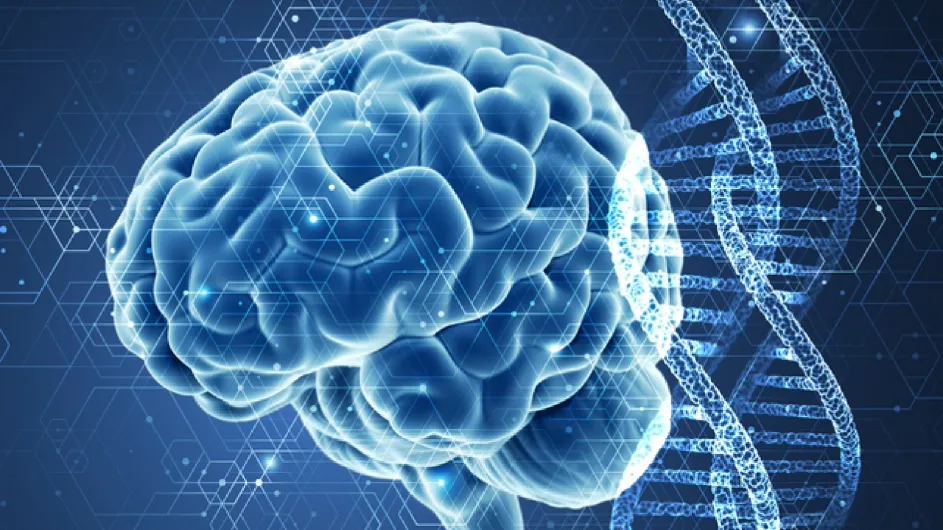
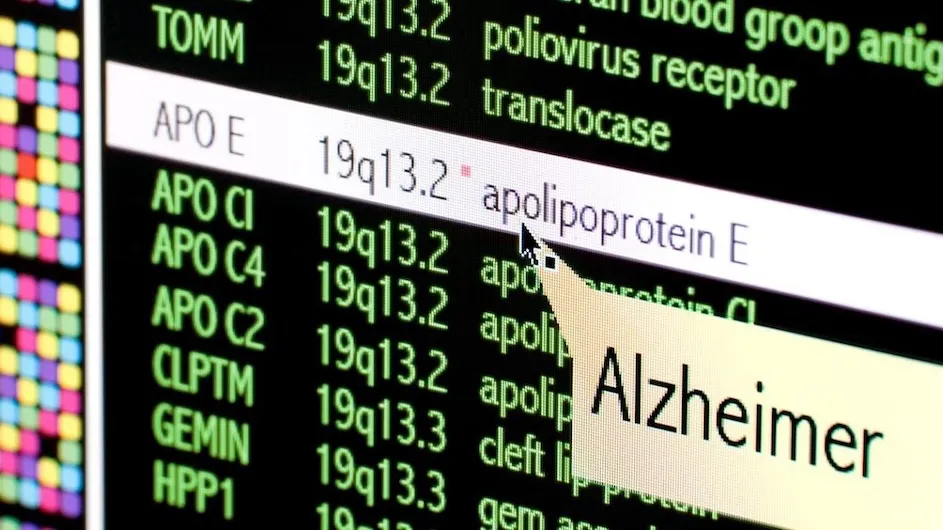
New insights into the genetic architecture of schizophrenia could pave the way for predicting who is at risk of developing the disease.
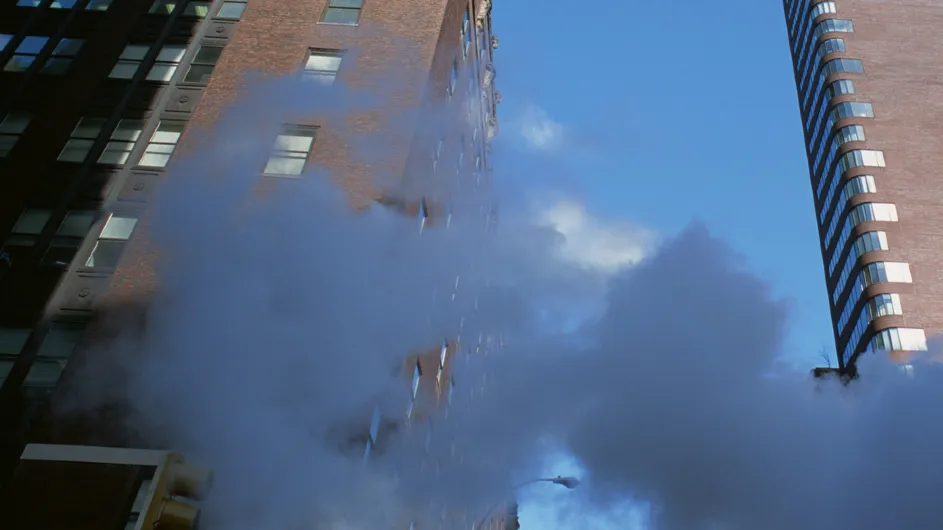
A ban on heating oil #6 has been effective in reducing air pollution, says a new study that’s the first to provide a framework for evaluating the impact of NYC’s Clean Heat Program.
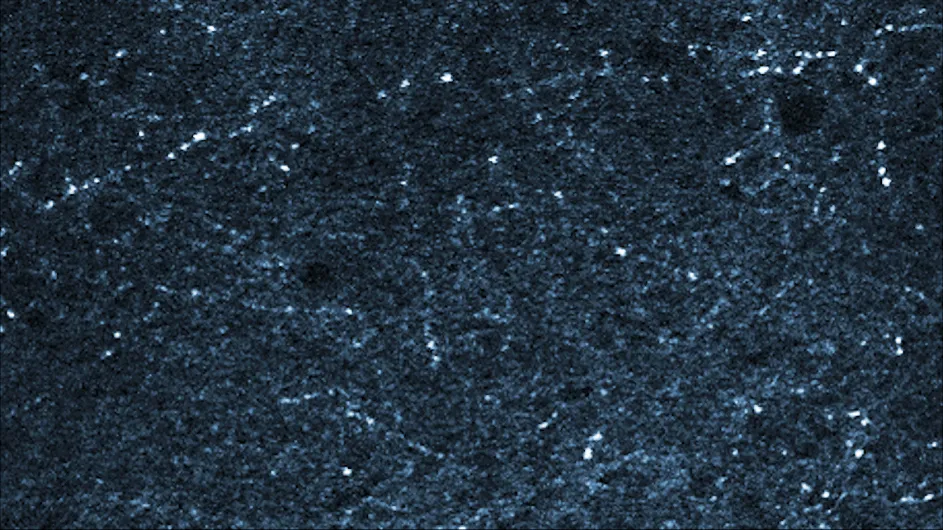
A study sheds light on how the brain remembers key information which might one day help treat memory disorders.
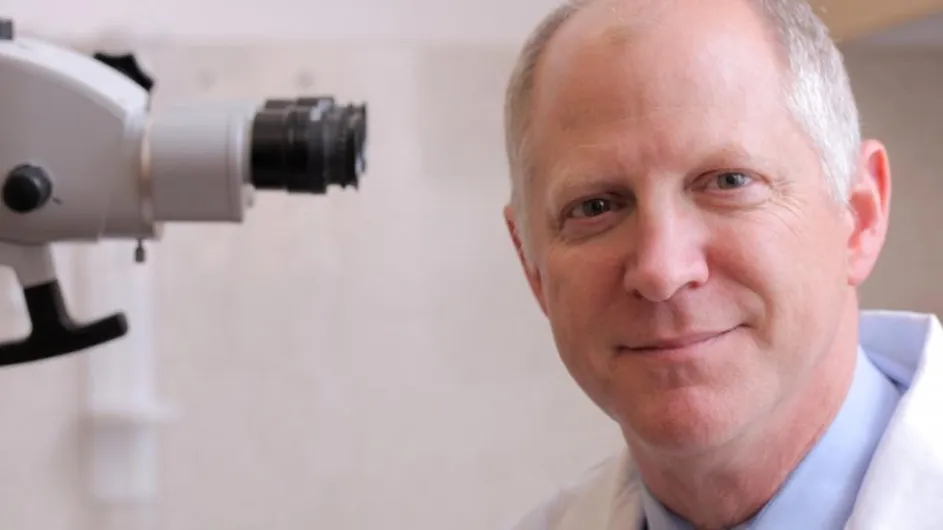
Hearing aids are getting better, and Americans will soon be able to buy them without a prescription. For those with hearing loss, the benefits may go beyond just being able to follow conversations.

Researchers at Columbia Engineering have found a way, using 2D materials, to build superconducting qubits that are a fraction of the size of previous qubits.
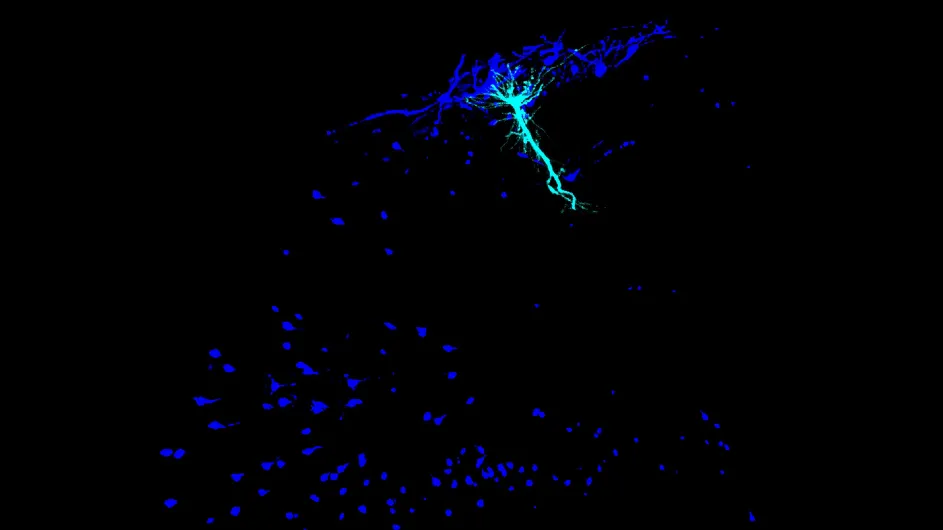
Researchers at the Zuckerman Institute find unexpected connections among brain cells that record memories of places in mice.
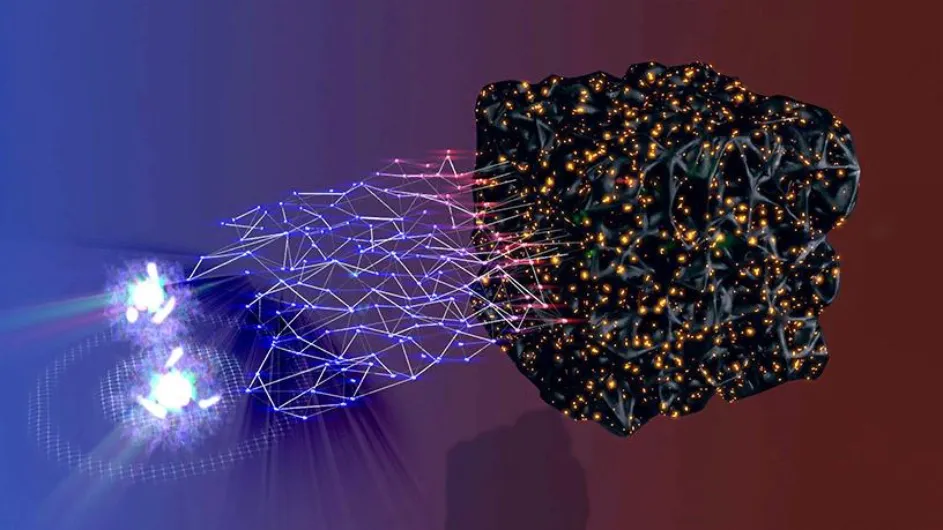
A new technique developed at Columbia Engineering combines quantum mechanics and machine learning to efficiently simulate temperature-dependent processes in materials. The method could lead to new and less carbon-intensive ways of making steel and recycling scarce metals.
What will it take to defeat AIDS in the United States by 2030? Drs. Wafaa El-Sadr and David Ho of Columbia University Irving Medical Center weigh in.

The rate of cervical cancer among women in low-income, mostly minority neighborhoods in New York City is nearly two times higher than the rate among New Yorkers in wealthier, largely white neighborhoods, says new Columbia research.

Columbia Engineering professor Henning Schulzrinne unpacks President Biden’s $1 trillion infrastructure bill and its promise to expand broadband access for people in rural and low-income areas.
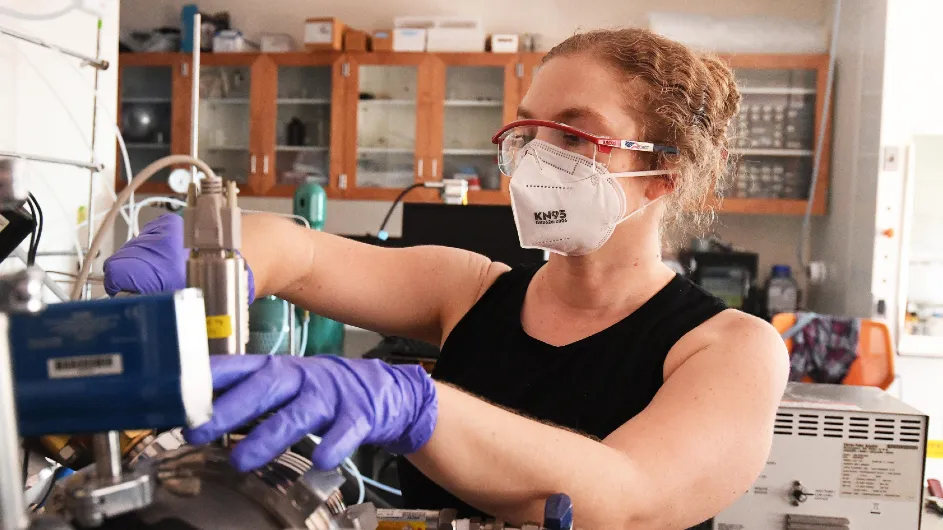
Aerosol scientist Faye McNeill explains air purifier basics, why masks really do work, and how chemistry experiments and computer simulations in the lab translate to environmental policy.
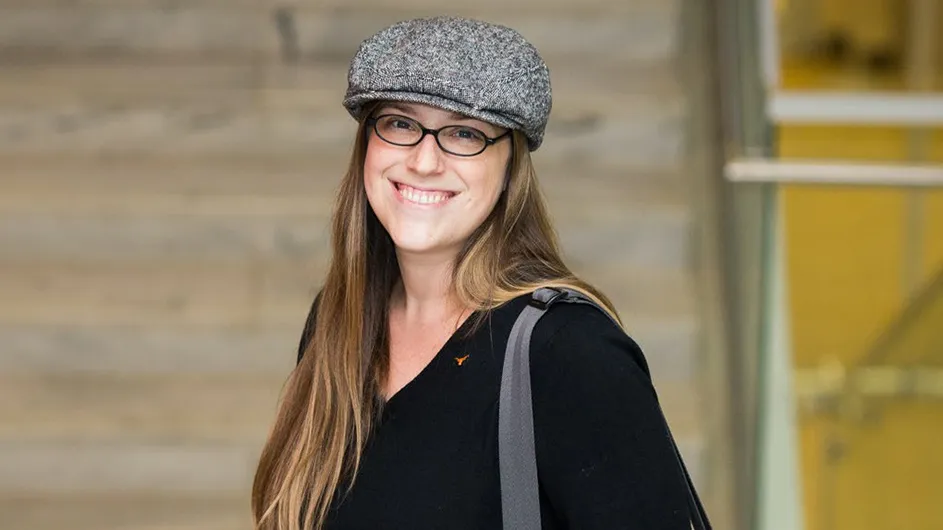
Her background as an archivist enables her to see the full scope of the stewardship of rare collections.