

COLUMBIA SCIENCE IN THE NEWS
The New York Times
September 6, 2026
Science
August 28, 2026
The New York Times
August 20, 2026
RECENT STORIES
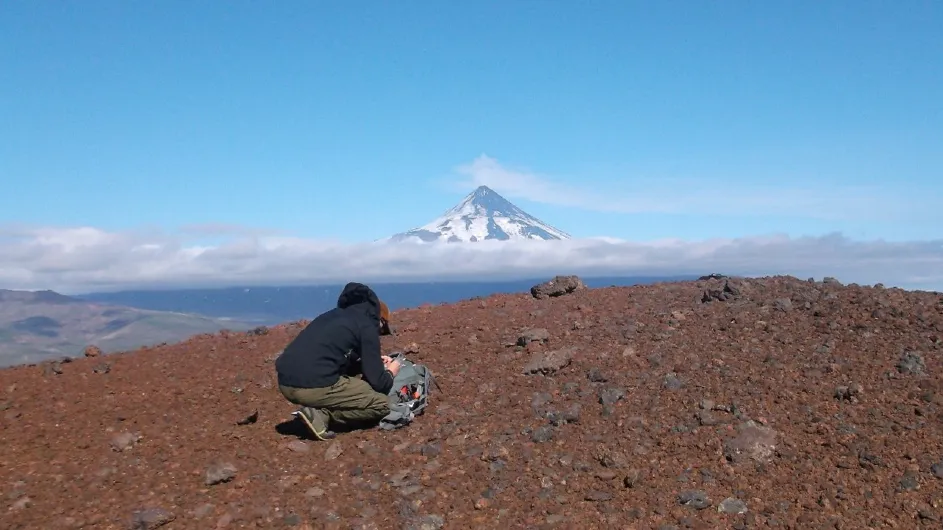
The finding helps to clarify why magma starts or stops moving below the surface weeks to months to years before an eruption, and could lead to better eruption forecasts.
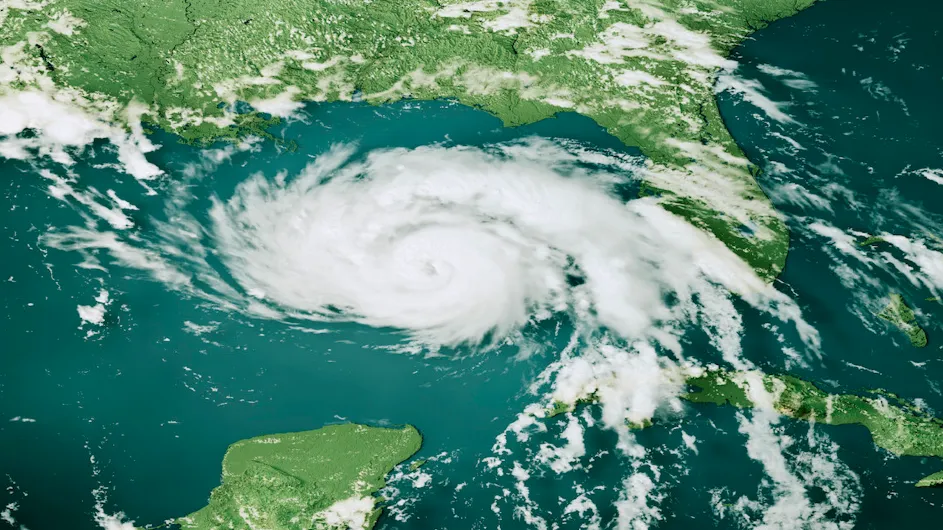
A landmark study reveals the hidden and potentially deadly costs of climate-related disasters.
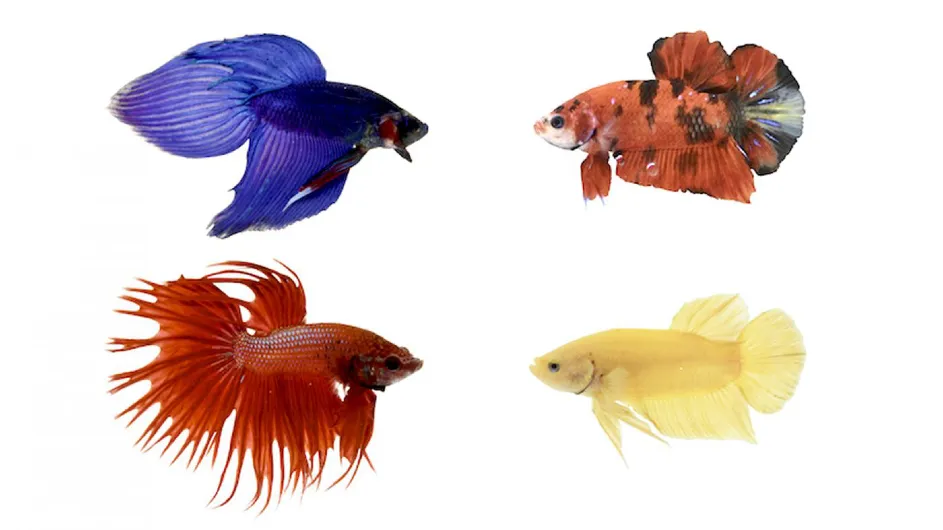
Researchers have identified the genes that make domesticated bettas' colors and shapes more flamboyant than those of their wild cousins.

A new study from the department of psychology reveals how we can adapt our negative memories to make them more positive.
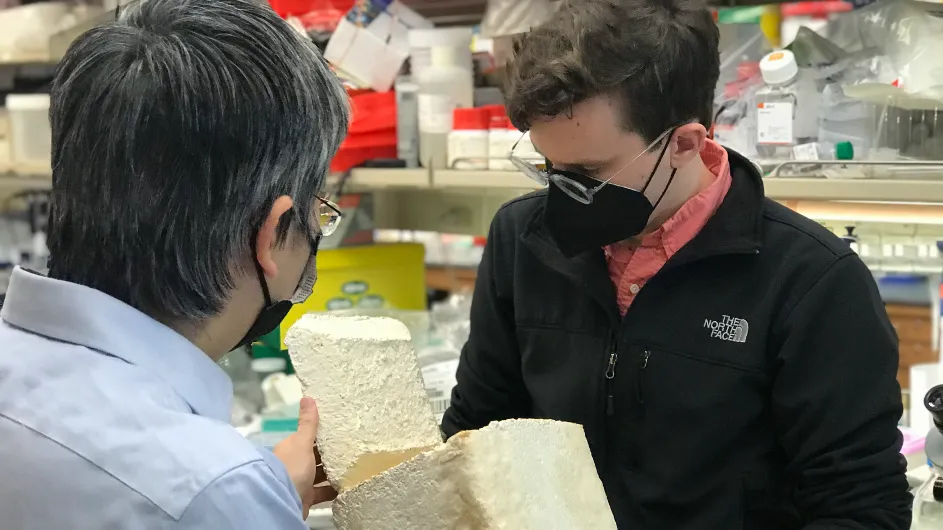
In the first steps toward designing a ‘living’ building, researchers grow bricks out of fungus and bacteria that can self-heal, sense and respond to each other, and decompose when no longer needed.
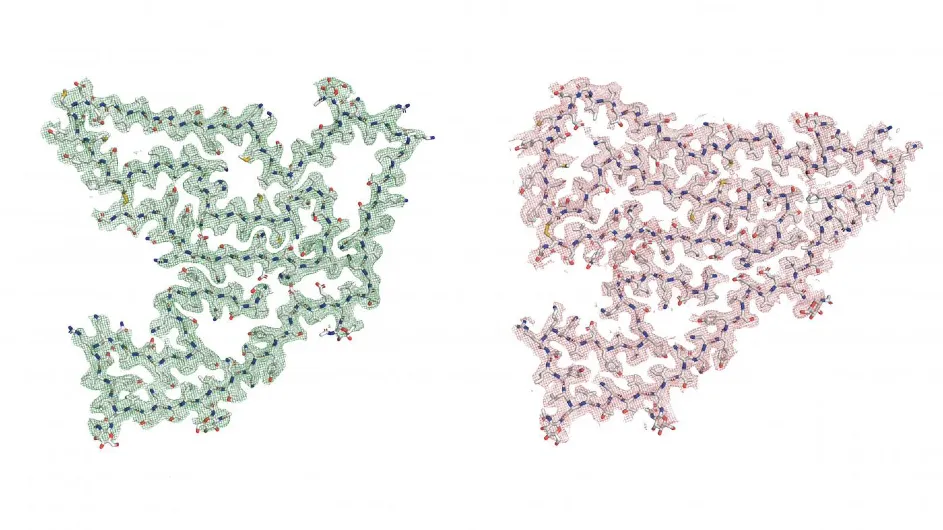
A protein normally involved in clearing cells of molecular debris can clump into fibrils, potentially hobbling cells.
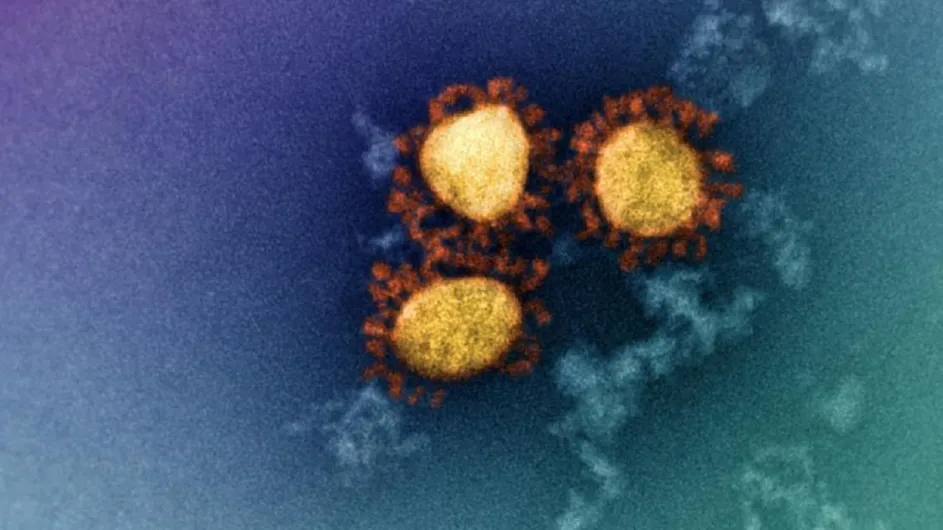
Only one currently authorized antibody treatment retains its activity against all omicron subvariants, according to new research by Columbia and the University of Hong Kong. The effectiveness of mRNA vaccines is reduced against all three subvariants, the study also found.
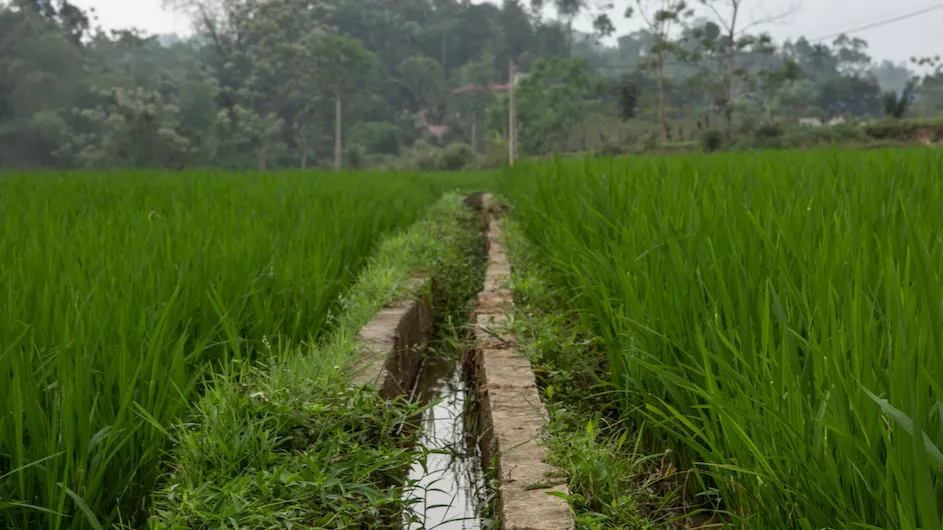
A global network of stakeholders will work together to identify key climate challenges that Columbia can help tackle.
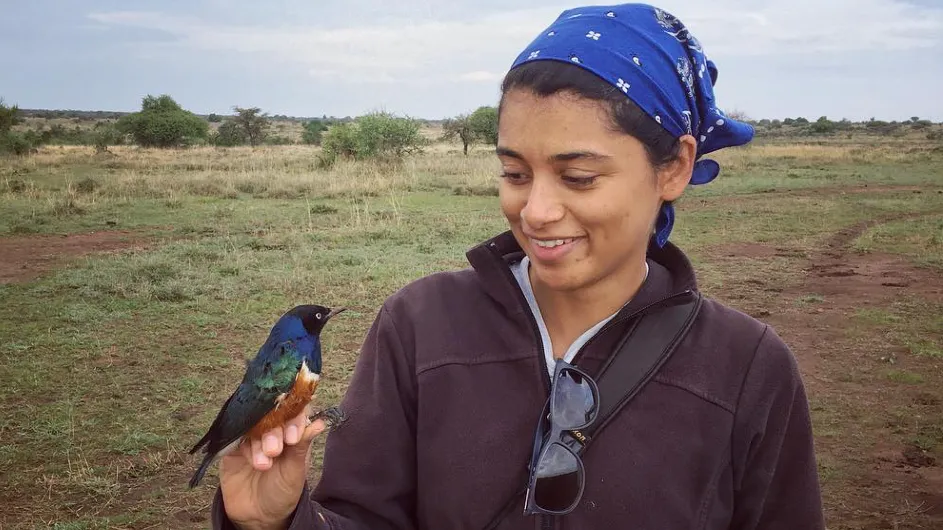
Shailee Shah, GSAS'22, explains why superb starlings may have evolved to live in groups in which unrelated birds help raise others' offspring.

A new study by researchers at Columbia's Mailman School of Public Health looks at the role that physician management companies are playing in the uptick in prices.
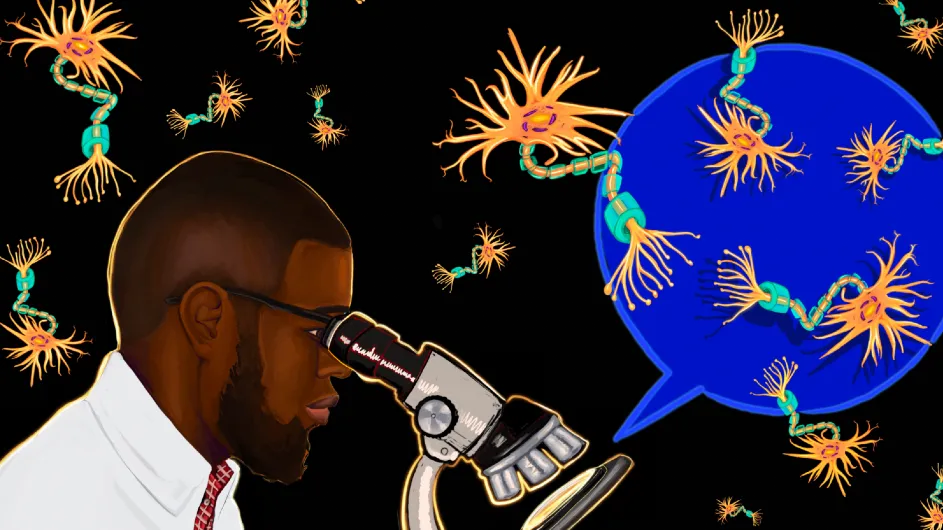
Abdus-Saboor, a neurobiologist, traces his path to Columbia and explains his fascination with a rodent that rarely feels pain.
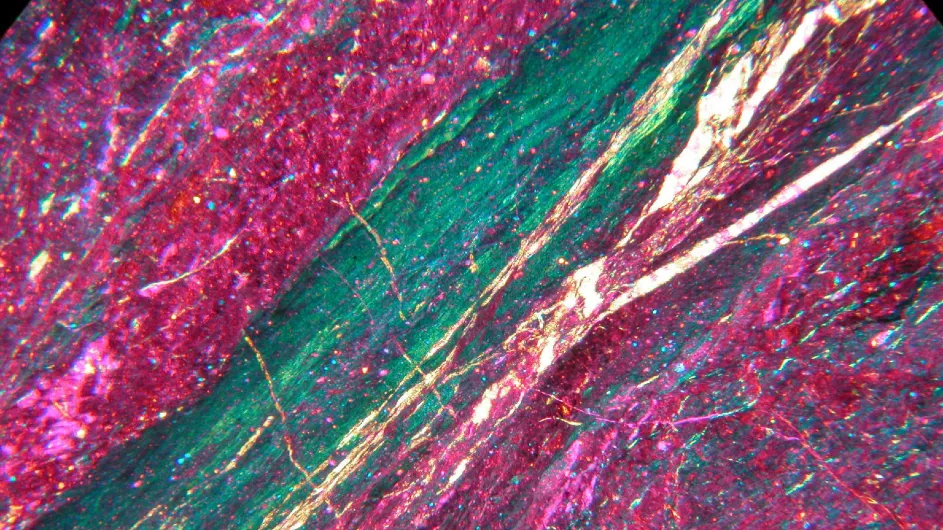
An analysis of deep rocks in the central part of the fault suggests that big earthquakes could be more likely than previously thought, says a new study.