


COLUMBIA SCIENCE IN THE NEWS
The New York Times
September 6, 2026
Science
August 28, 2026
The New York Times
August 20, 2026
RECENT STORIES
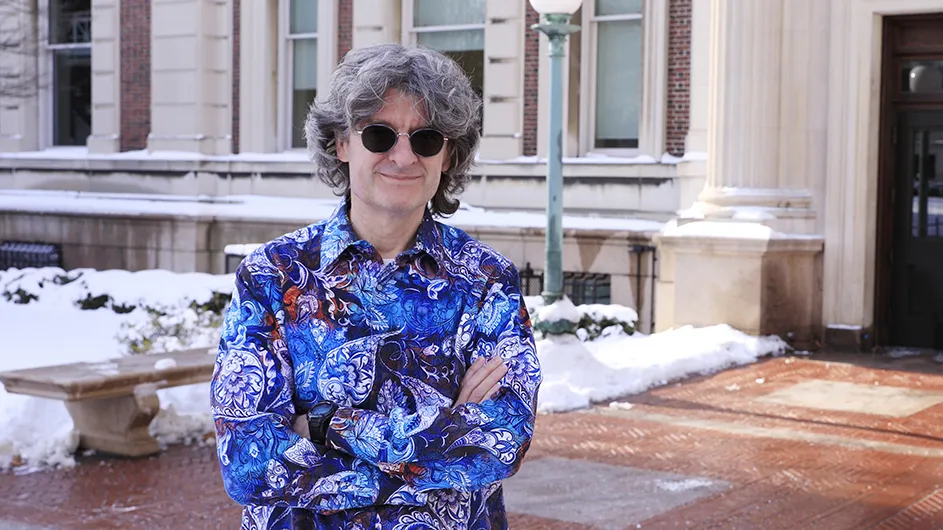
Columbia professor Johan de Jong has spent the last 15 years gathering the foundational theorems of algebraic geometry in one place. His creation, the Stacks Project, offers a new model for organizing and visualizing mathematical information.
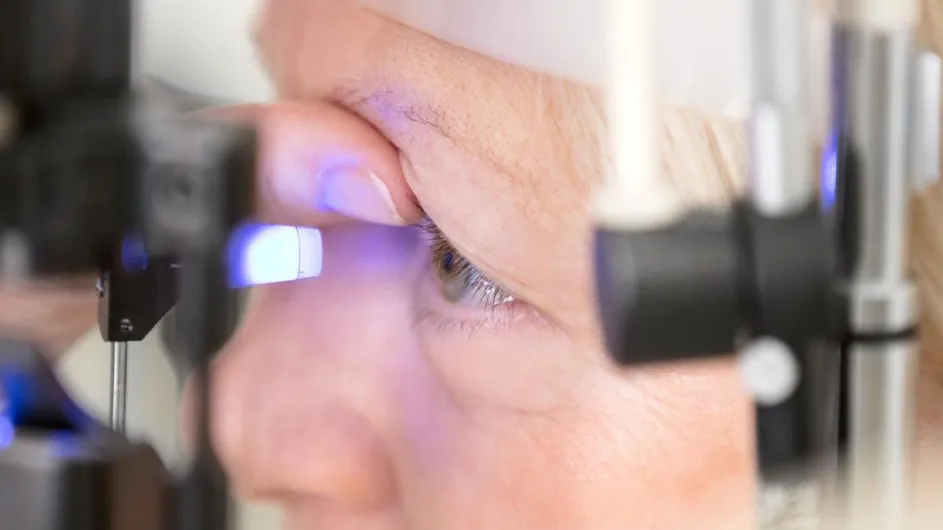
Drugs to treat glaucoma have saved the sight of millions of people but there may be a simpler fix: nutrient supplements. Columbia ophthalmologist Simon John explains.

Higher carbon dioxide levels boost plant growth, but the benefits could be offset by other factors altered in a warming climate.
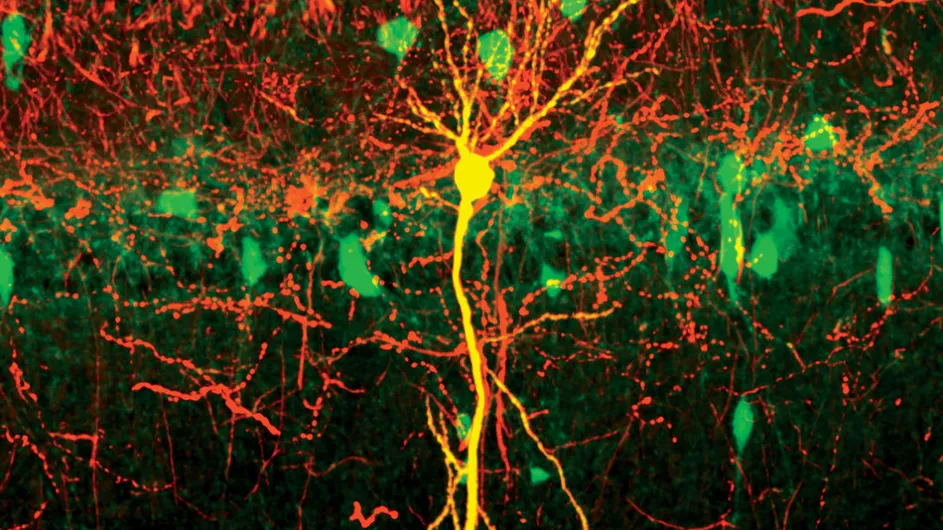
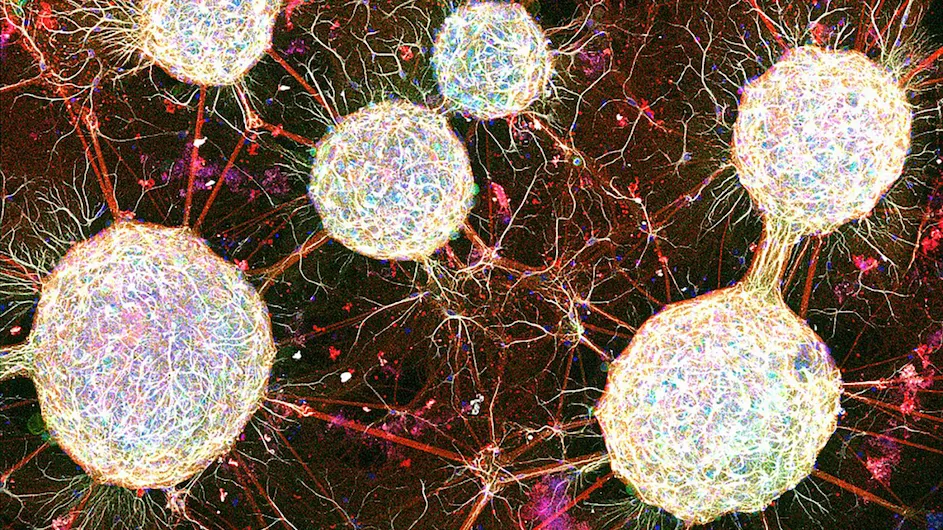
Columbia neuroscientists have figured out how to visually map memory formation.

It could be a money and a climate saver, writes David Goldberg, a geophysicist at Columbia’s Lamont-Doherty Earth Observatory.

With new funding, Columbia’s ICAP will conduct follow up interviews with older New Yorkers on their health and wellbeing amid the ongoing pandemic.
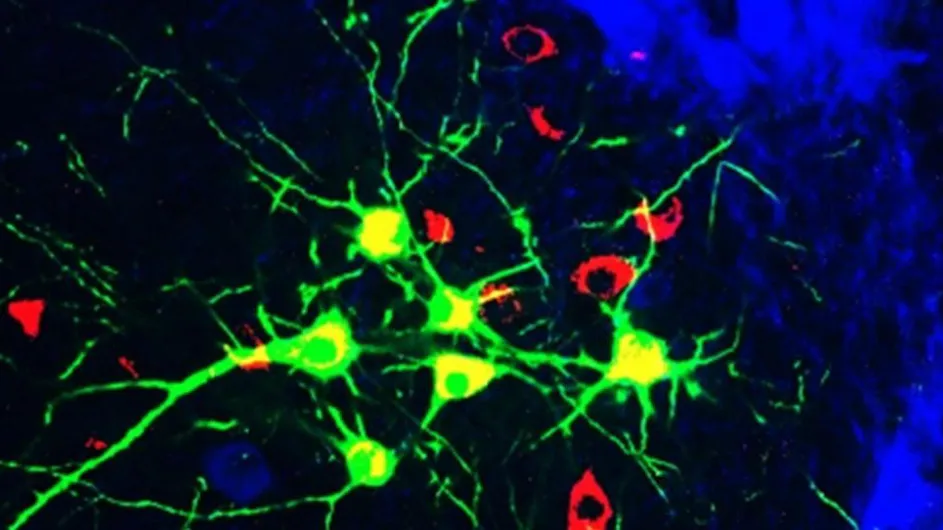
A single type of neuron is responsible for keeping our legs in lockstep, new research shows.

Columbia Business School professor Bruce Usher explains what goes into creating an effective carbon market.
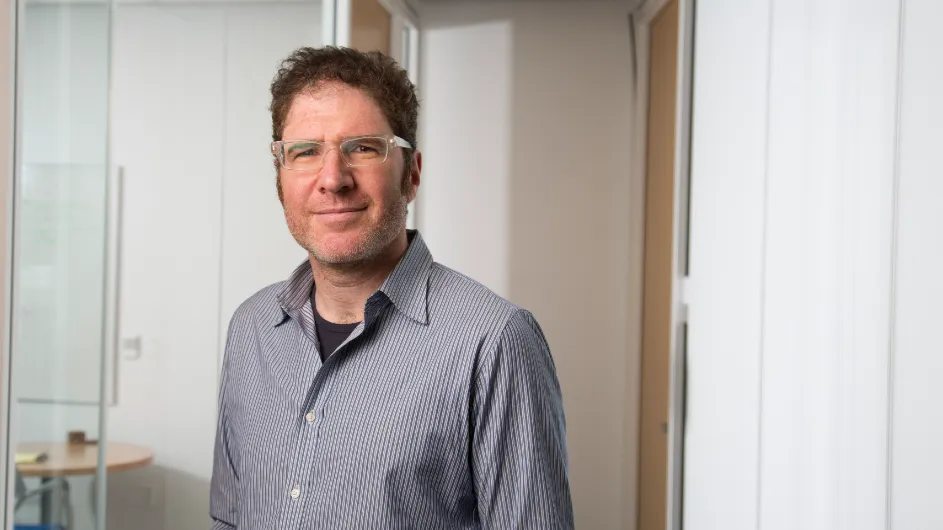
Computer scientist David Blei, with co-authors Matthew Hoffman and Francis Bach, is recognized with a Test of Time Award at NeurIPS, the world’s top machine learning conference, for scaling his topic modeling algorithm to billions of documents.
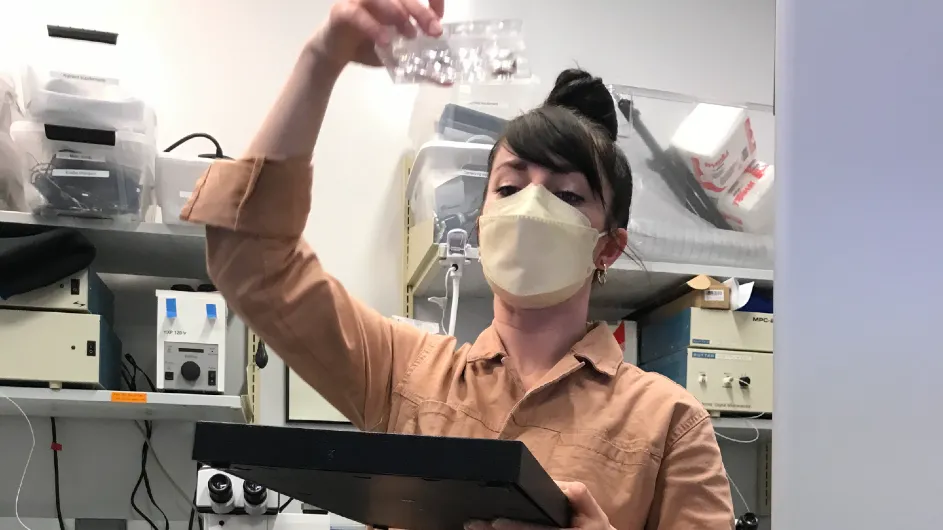
Tessa Montague, a postdoc at the Zuckerman Institute, studies the neural basis of camouflage in cuttlefish.
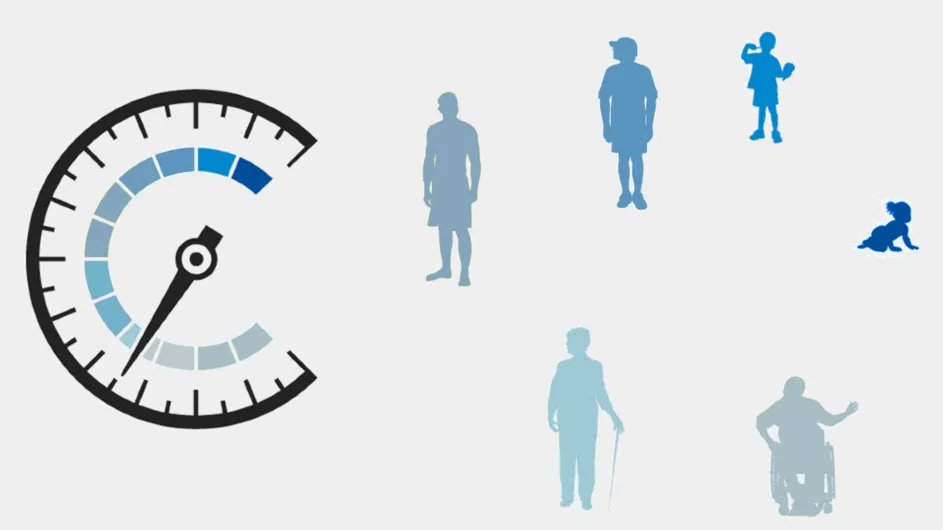
A new tool developed at Columbia's Mailman School of Public Health that measures how fast someone is aging could help epidemiologists understand the factors driving accelerated aging in vulnerable populations.

The Knight First Amendment Institute proposes legal protection for certain research and news-gathering projects focused on social media platforms.