
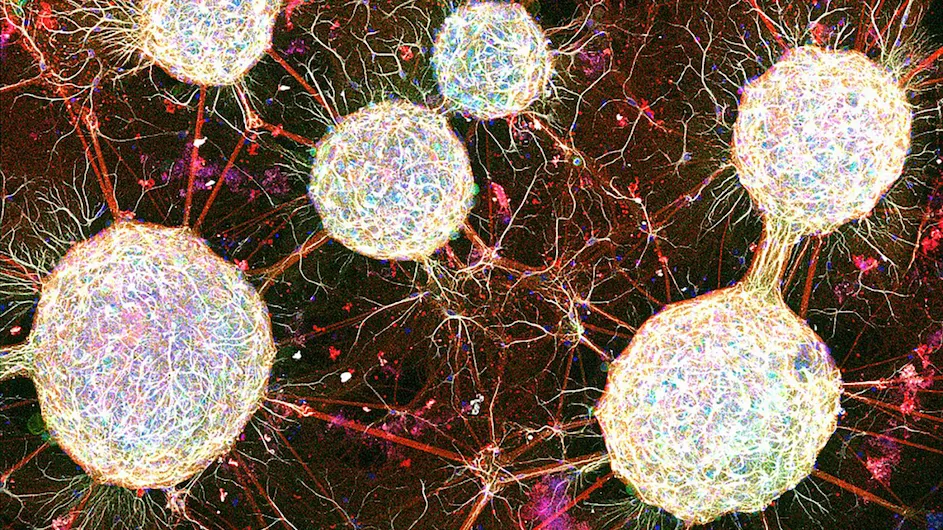
COLUMBIA SCIENCE IN THE NEWS
Scientific American
September 26, 2026
The New York Times
September 6, 2026
Science
August 28, 2026
RECENT STORIES
The Knight First Amendment Institute looks at how the law does (or should) shape the regulation of lies, disinformation, and misinformation in the digital age.
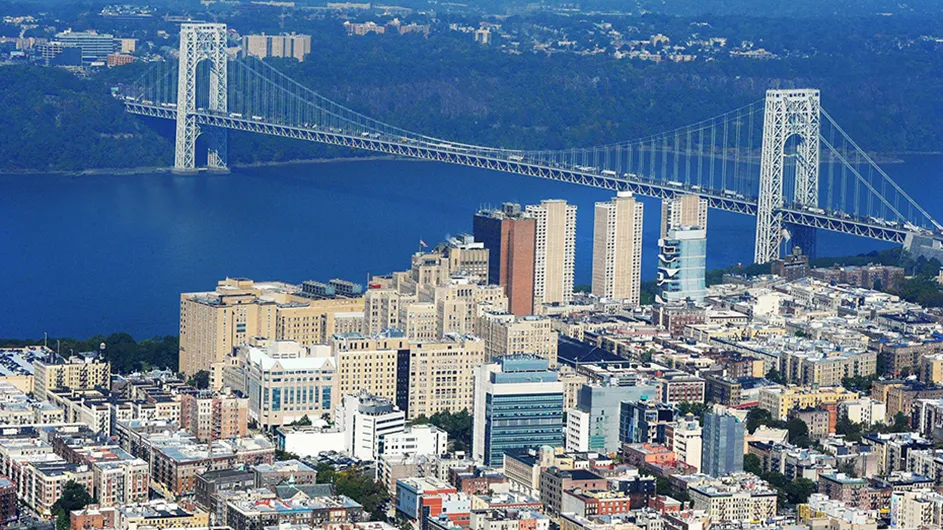
The award is the fourth Clinical and Translational Science Award for Columbia, totaling over $200 million since 2006.
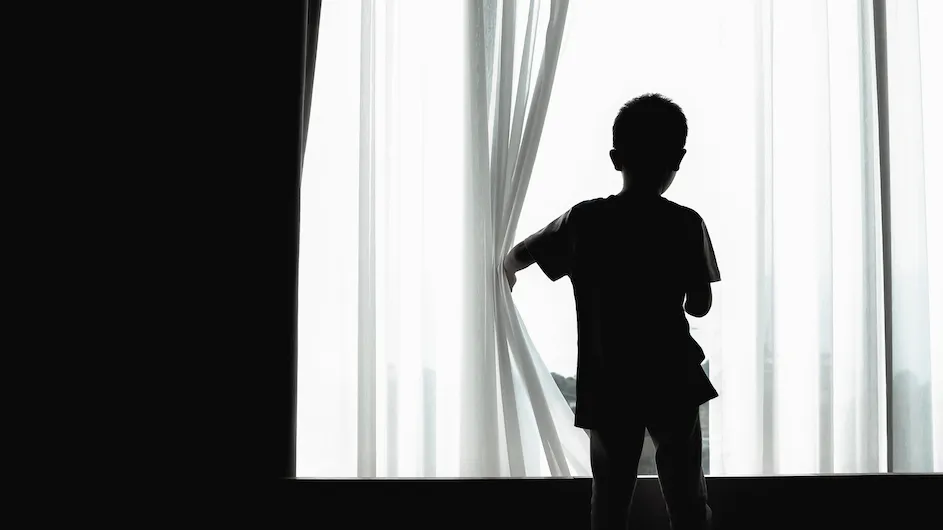
What we've learned can help us foster mental health resilience among children and young adults in communities most directly hit by COVID-19.
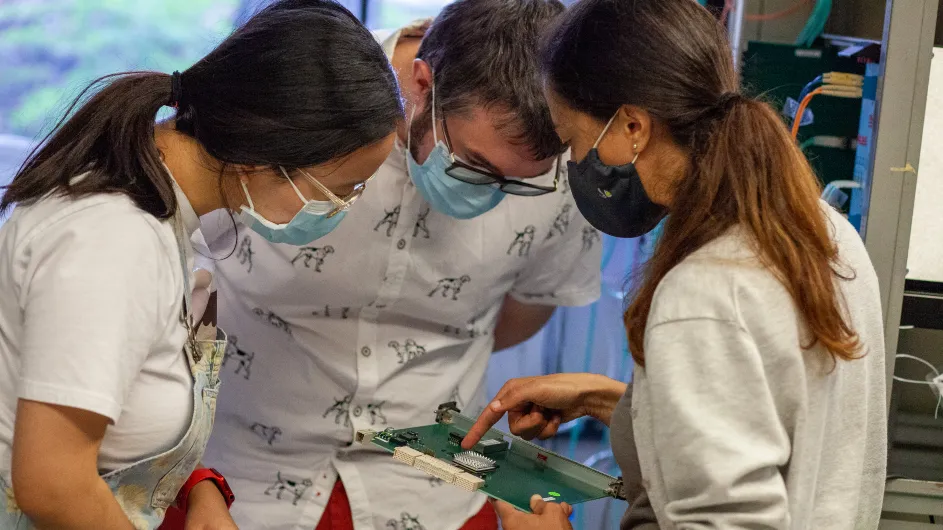
What's a neutrino and how do you detect one? Columbia physicist and neutrino hunter Georgia Karagiorgi explains.
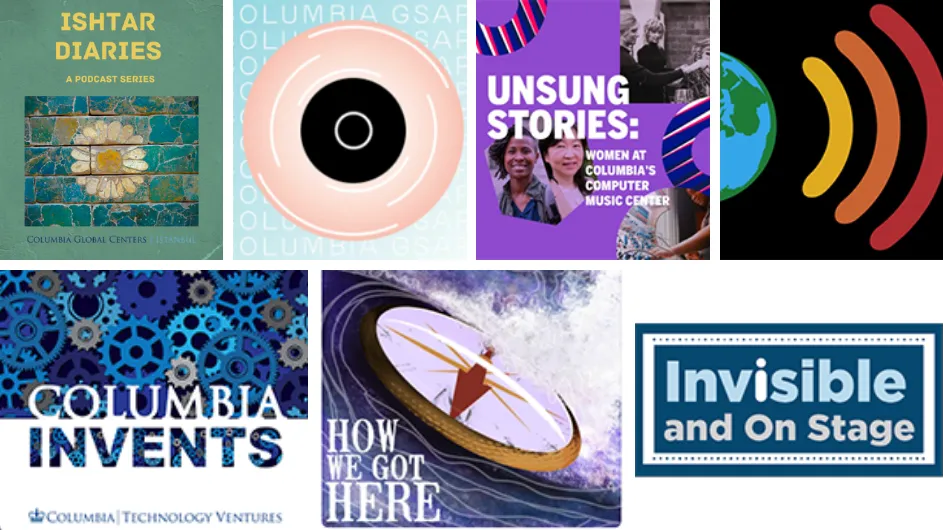
Beat the summer heat with some cool podcasts from around our community.

Researchers from Columbia's Climate School are using data collection, community collaboration, and startups to reduce the negative health effects of pollution in India, Indonesia, and the continent of Africa.
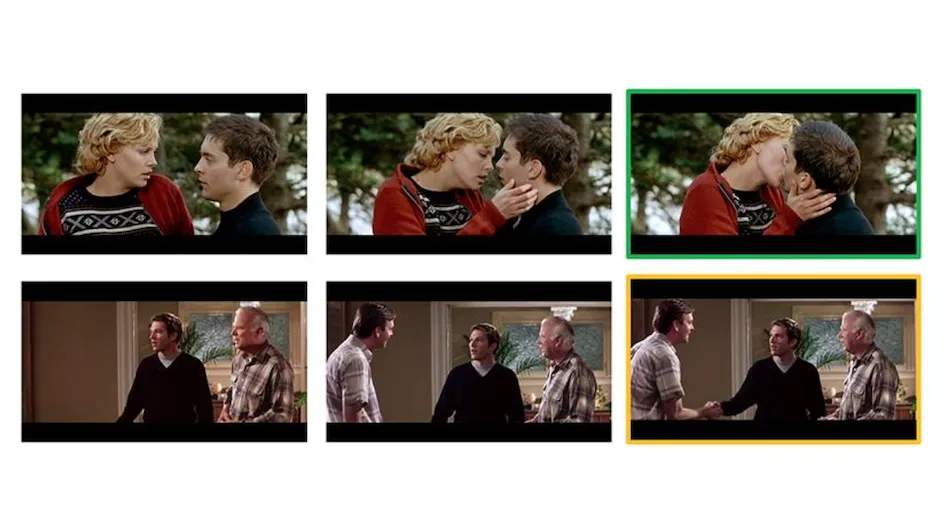
Columbia Engineering researchers develop computer vision algorithm for predicting human interactions and body language in video, a capability that could have applications for assistive technology, autonomous vehicles, and collaborative robots.
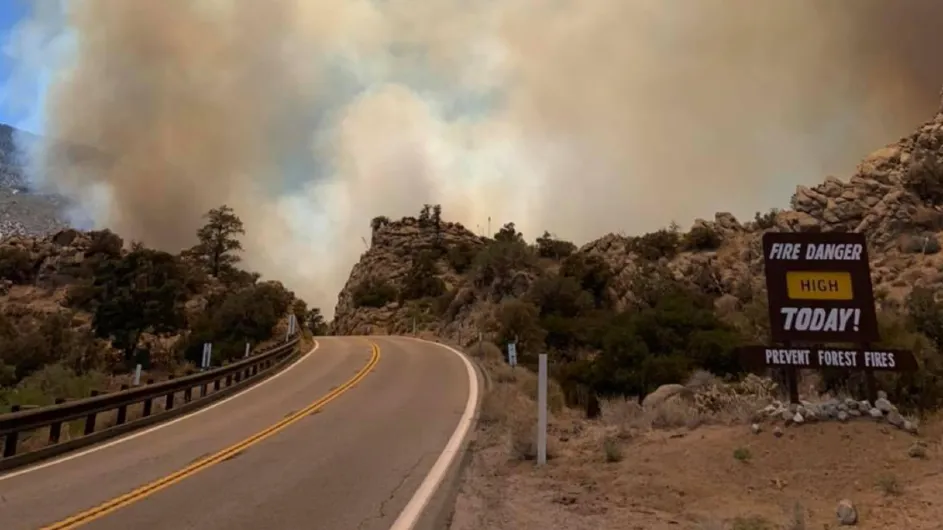
Climate change may be loading the dice for a difficult summer, according to researchers at Columbia University’s Lamont-Doherty Earth Observatory.
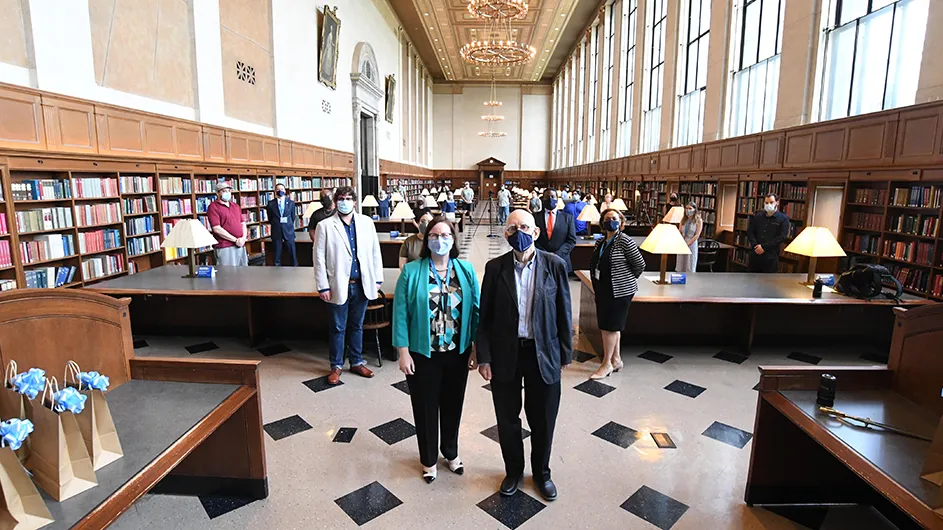
On June 21, Columbia University Libraries hosted a ribbon-cutting to symbolize the full reopening of library spaces. Here's what you can expect this fall.
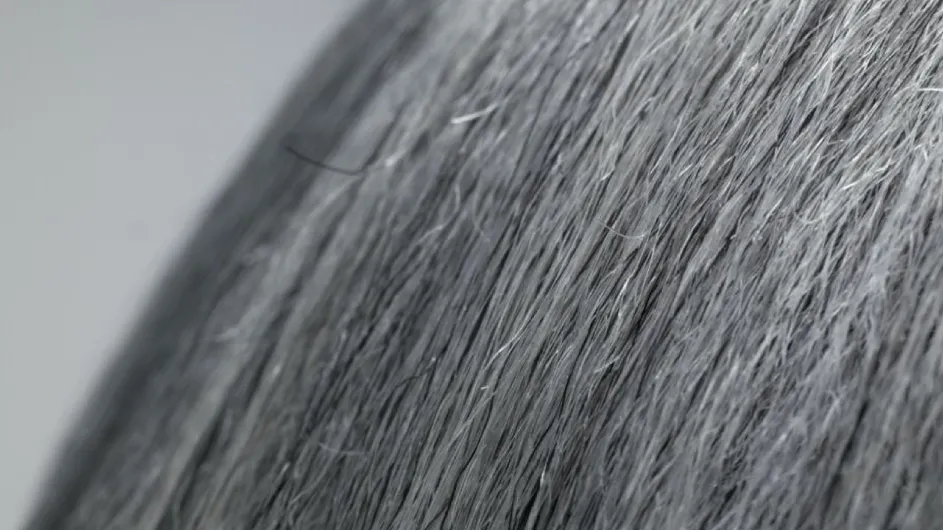
A new study by Columbia's Vagelos College of Physicians and Surgeons finds that stress can accelerate graying, but hair color can be restored if stress is eliminated.
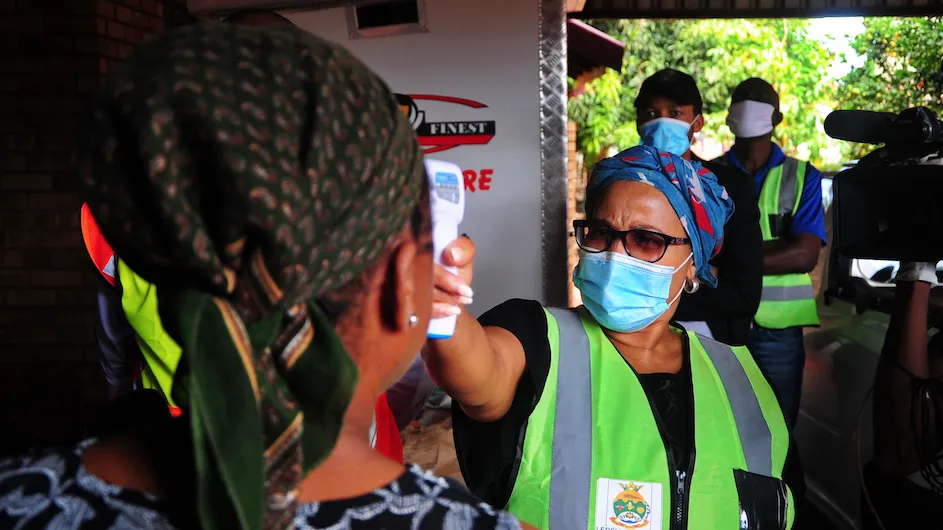
To control the COVID-19 pandemic, a majority of the world needs to be vaccinated. A group of researchers from Columbia University is working with local governments in African countries to help their communities get the vaccines they need.
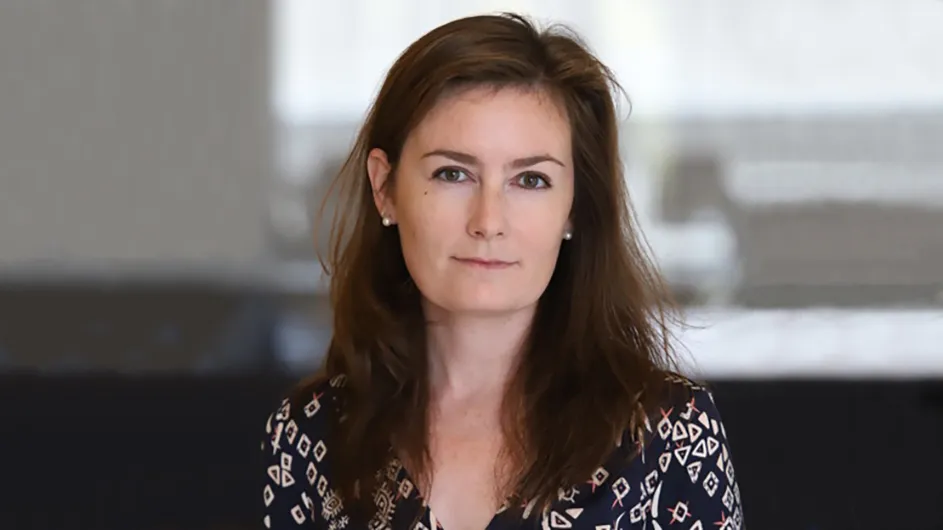
Duvall's research focuses on the neural and molecular pathways that regulate biting and mating in mosquitoes.