Recent health and wellness news from across Columbia.

New insights into the genetic architecture of schizophrenia could pave the way for predicting who is at risk of developing the disease.

President Lee C. Bollinger appointed Katrina Armstrong as the next Chief Executive Officer of Columbia University Irving Medical Center, Executive Vice President for Health and Biomedical Sciences, and Dean of the Faculties of Health Sciences and Medicine.

A ban on heating oil #6 has been effective in reducing air pollution, says a new study that’s the first to provide a framework for evaluating the impact of NYC’s Clean Heat Program.

It’s the season of big meals. Columbia Psychiatry professor Lisa Ranzenhofer offers tips for maintaining healthy eating behaviors and finding support over the festive season.

Columbia Engineering professors Sam Sia and Jingyue Ju discuss what’s known so far about the omicron variant.

Hearing aids are getting better, and Americans will soon be able to buy them without a prescription. For those with hearing loss, the benefits may go beyond just being able to follow conversations.
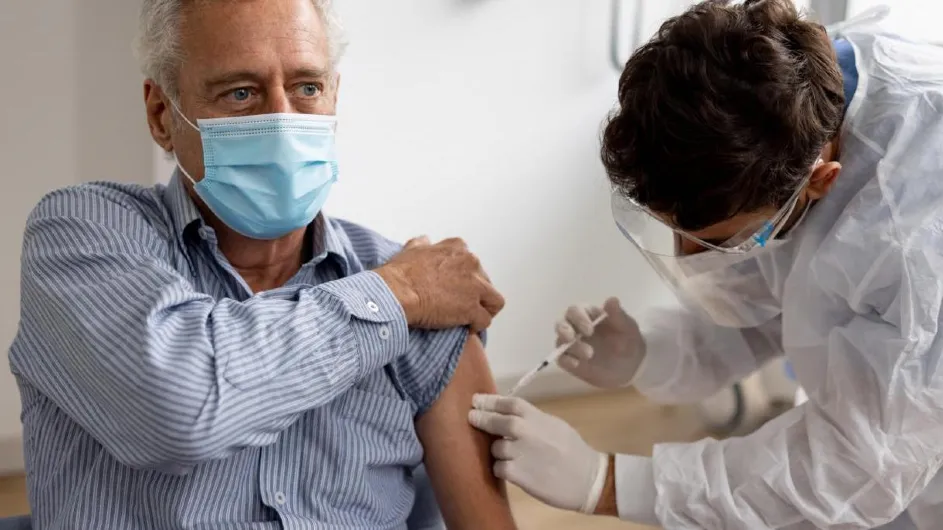
When should you get a booster? And will it ward off new variants like omicron? Drs. David Bucholz and Marcus Pereira of Columbia University Irving Medical Center break down the science.

What will it take to defeat AIDS in the United States by 2030? Drs. Wafaa El-Sadr and David Ho of Columbia University Irving Medical Center weigh in.

The rate of cervical cancer among women in low-income, mostly minority neighborhoods in New York City is nearly two times higher than the rate among New Yorkers in wealthier, largely white neighborhoods, says new Columbia research.

A single dose of psilocybin, combined with psychological support, was found to significantly reduced depressive symptoms.

Content advisory: This article includes information about mental health distress, suicide, and suicide prevention.

What we've learned can help us foster mental health resilience among children and young adults in communities most directly hit by COVID-19.