Recent health and wellness news from across Columbia.

Intimate partner violence is a key indicator for poor HIV outcomes.

A landmark study reveals the hidden and potentially deadly costs of climate-related disasters.
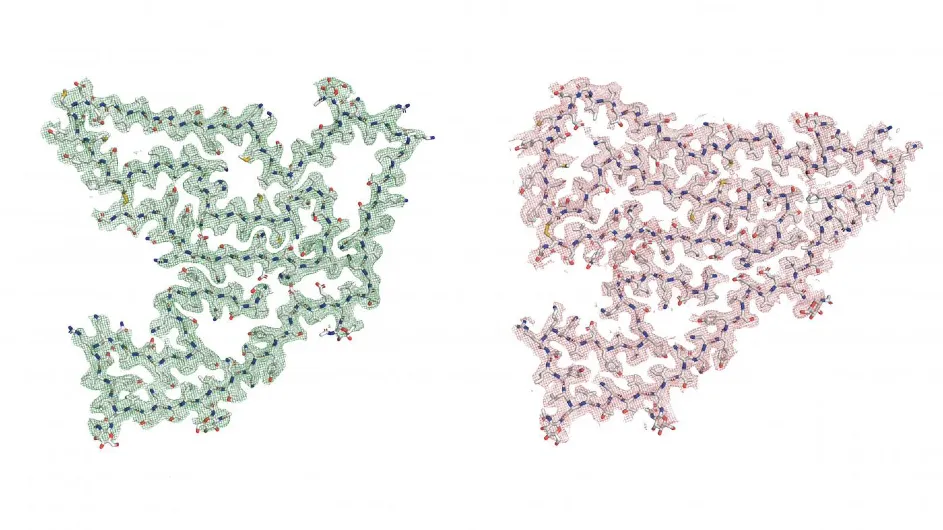
A protein normally involved in clearing cells of molecular debris can clump into fibrils, potentially hobbling cells.
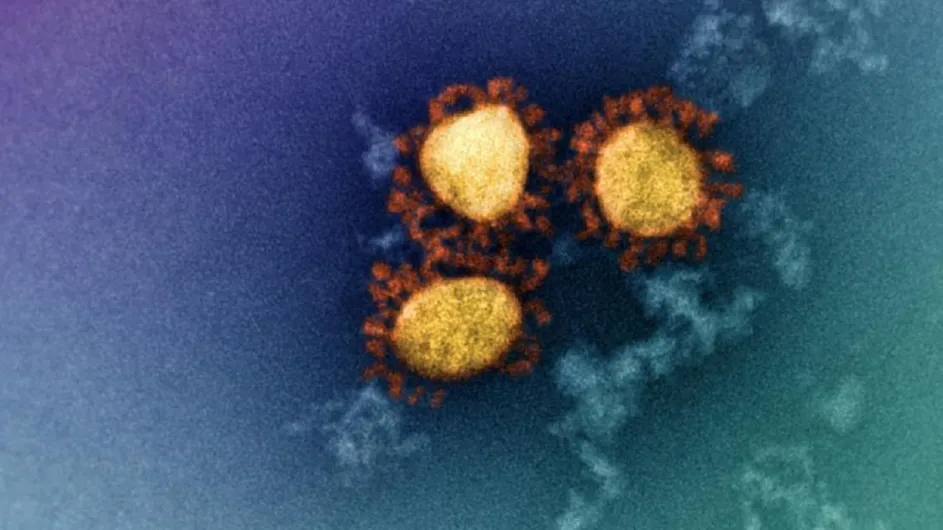
Only one currently authorized antibody treatment retains its activity against all omicron subvariants, according to new research by Columbia and the University of Hong Kong. The effectiveness of mRNA vaccines is reduced against all three subvariants, the study also found.

A new study by researchers at Columbia's Mailman School of Public Health looks at the role that physician management companies are playing in the uptick in prices.
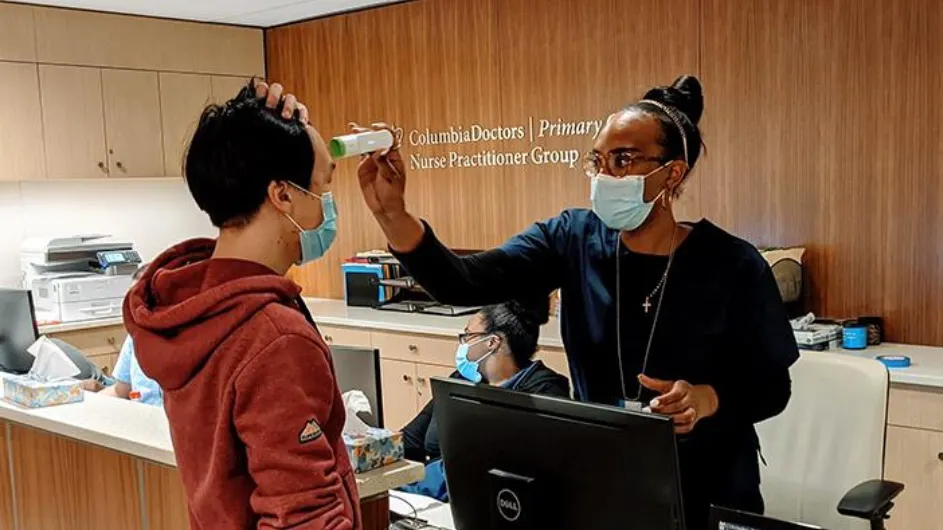
An automated system for taking the temperature of multiple people at once could make fever screening easier.

Expanded access to epidurals for vaginal deliveries could lead to better maternal health outcomes, according to new research by Columbia’s Mailman School of Public Health.

In a study in JAMA Oncology, researchers at Columbia University Irving Medical Center show that analyzing CT scans with a machine-learning algorithm can help predict how well immunotherapy will work for melanoma patients.
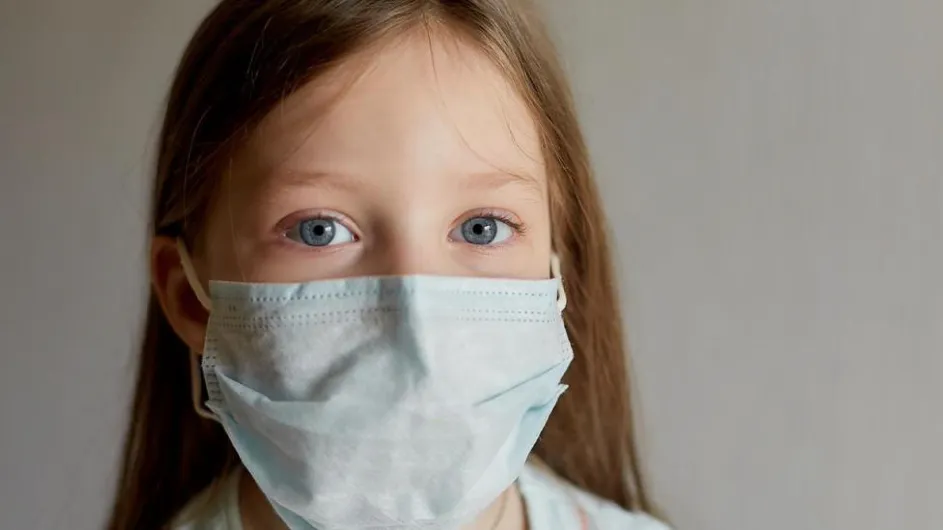
With funding from the National Institutes of Health, Columbia will join researchers from 25 other institutions to learn more about the disease in children and how to treat it.

A common virus that causes no harm in most people may be a danger to organ transplant recipients and other immunocompromised people, say Columbia researchers.

Columbia Psychiatry News speaks with Dr. Amir Levine about his groundbreaking book on attachment theory and whether couples with different attachment styles are doomed to fail.
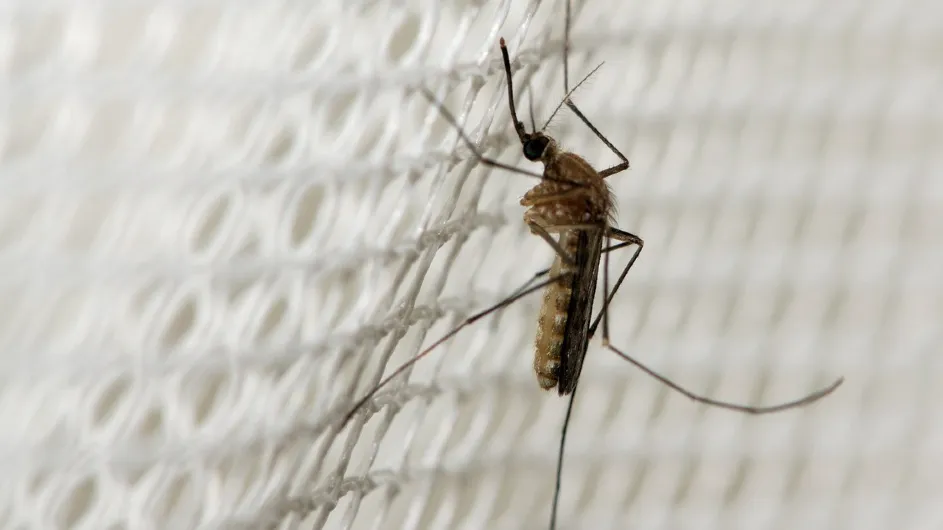
In a 22-year study in Tanzania, researchers at Columbia’s Mailman School of Public Health show children who sleep under bed nets at an early age are more likely to survive into adulthood.