Recent health and wellness news from across Columbia.

Drugs to treat glaucoma have saved the sight of millions of people but there may be a simpler fix: nutrient supplements. Columbia ophthalmologist Simon John explains.

Columbia neuroscientists have figured out how to visually map memory formation.
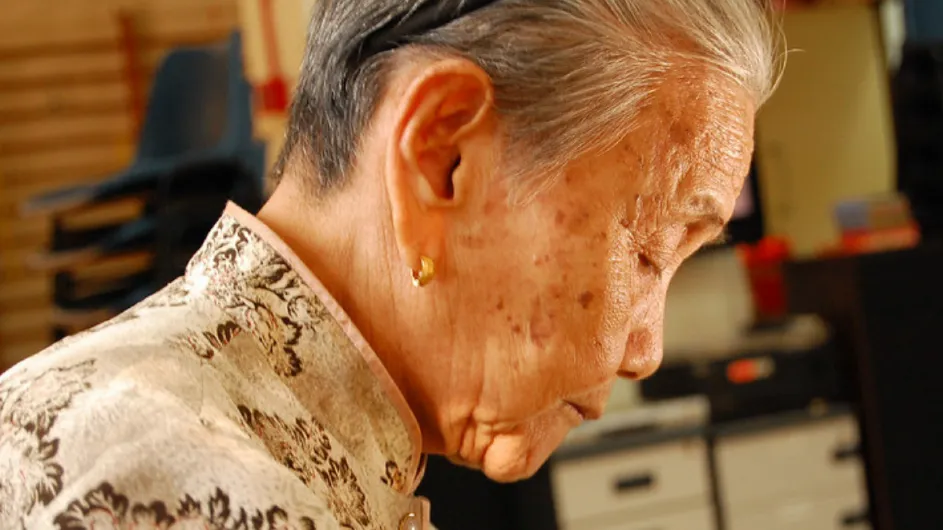
With new funding, Columbia’s ICAP will conduct follow up interviews with older New Yorkers on their health and wellbeing amid the ongoing pandemic.

The Accreditation Association for Ambulatory Health Care reaccreditation places the organization among the elite 10% of college health providers that voluntarily pursued accreditation and met the rigorous standards of quality health care.

A single type of neuron is responsible for keeping our legs in lockstep, new research shows.

U.S. pharmacists are well-trusted by patients and projected to play an increasingly integral role in health care, says a new study by Columbia’s Mailman School of Public Health and ExpressScripts.

Researchers affiliated with Columbia’s Mailman School of Public Health have written a book that incorporates real-life stories of girls living across America about the first time they got their periods.

Women have a harder time staying off cigarettes on that first day than men in 12 low and middle-income countries, where about 60 percent of the world’s smokers live, says new Columbia Mailman School of Public Health research.

Jeffrey Shaman, an infectious disease expert at Columbia’s Mailman School of Public Health, shares his thoughts on the year ahead.

Researchers at Columbia’s Mailman School of Public Health link a decline in orphanhood in Uganda to the availability of antiretroviral therapy and medical circumcision.
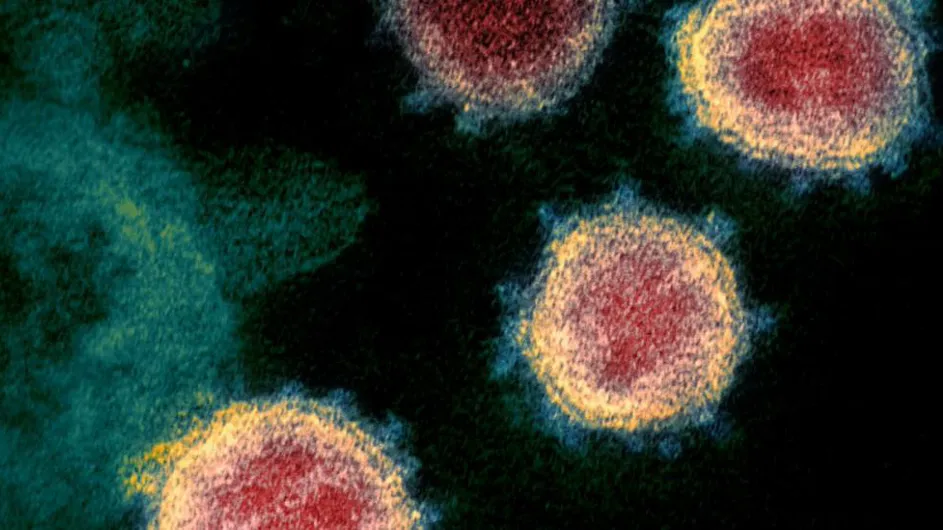
In a new study, researchers at Columbia University Irving Medical Center and Hong Kong University find that the omicron variant of Covid-19 is resistant to current vaccines and antibody treatments, and that even booster shots may provide limited defense against infection.
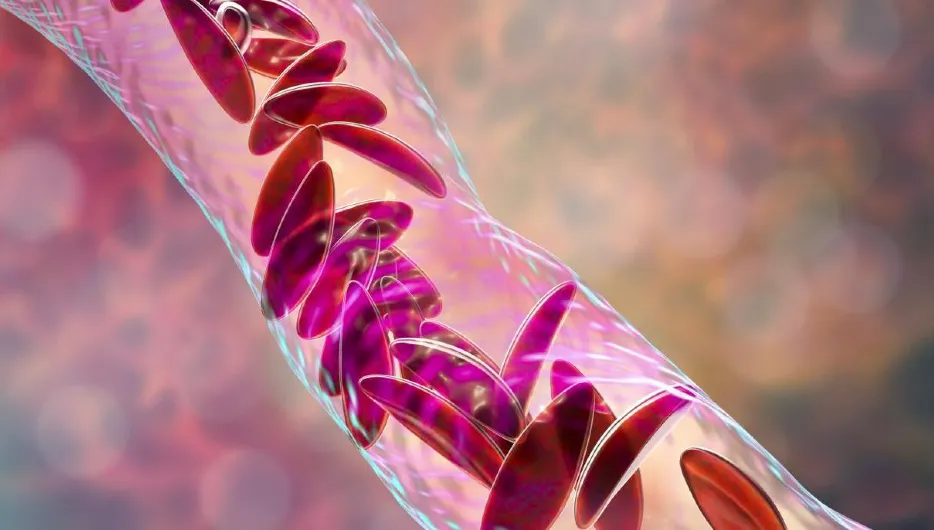
A study of an investigational gene therapy for sickle cell disease has found that a single dose restored blood cells to their normal shape and eliminated the most serious complication of the disease for at least three years in some patients.