Recent health and wellness news from across Columbia.

The pandemic is having a disproportionate effect on New York's black and Latinx populations.

Columbia professor and palliative care specialist Shunichi Nakagawa is offering compassionate guidance to those seriously ill with COVID-19.

Columbia researcher David Brenner believes far-UVC light—safe for humans, but lethal for viruses—could be a ‘game changer.’
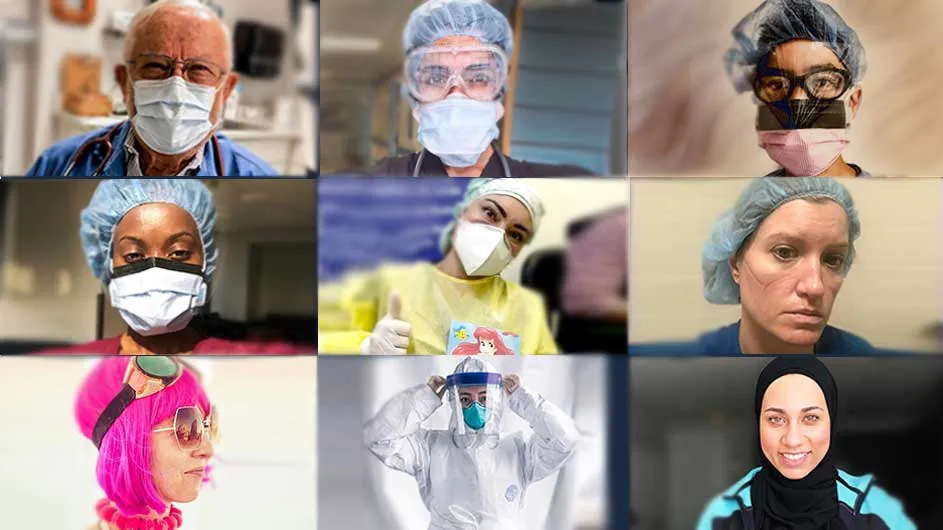
A new Instagram account and website share stories of the health care heroes at the helm of the pandemic.

During a pandemic, women across all socioeconomic backgrounds struggle to access period products, but it is especially challenging for those who have lost employment or housing.
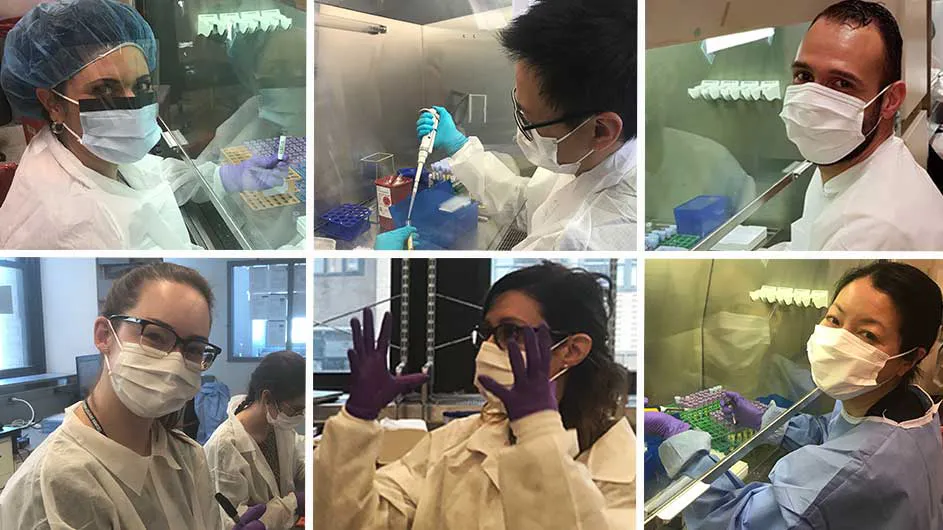
Lab researchers lend their support to frontline clinicians, from collecting patients' swabs to monitoring equipment malfunctions.

Capable of treating as many as 288 patients with mild COVID-19 symptoms, the facility will help to alleviate demand on the main NYP/CUIMC hospital facilities.

As COVID-19 crisis deepens, efforts include making face shields, staffing a hotline and following up with patients.
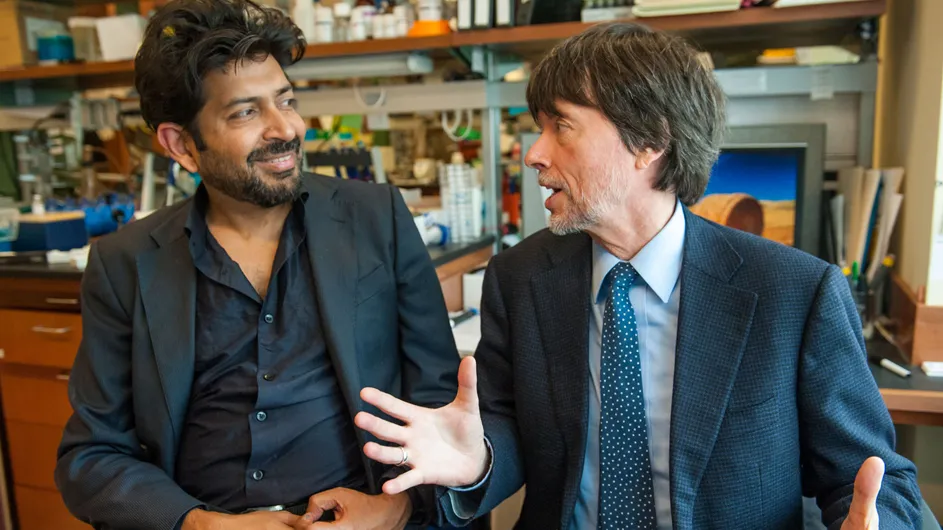
The Columbia oncologist and Pulitzer Prize-winning author reunites with the renowned filmmaker to illuminate the past, present and future of genomic science.
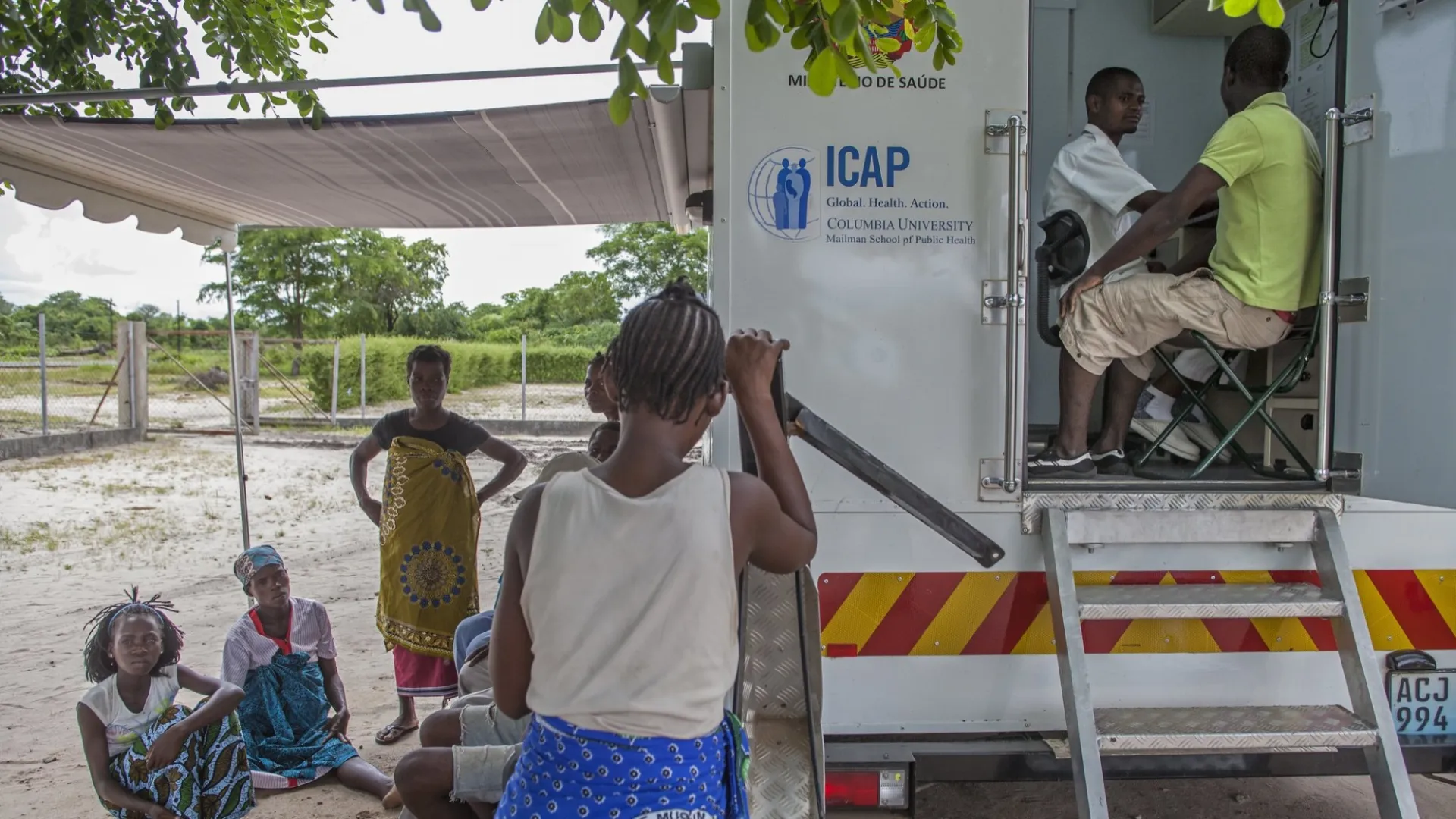
To prevent a tragedy, the global community must act now.

Veteran war and disaster correspondent Judith Matloff shares her tips for surviving the new normal—social distancing and self-quarantine—during the virus outbreak.

The fear that an epidemic could reappear will likely exert a small downward force on prices and demand, for decades to come.