


COLUMBIA SCIENCE IN THE NEWS
CNN
October 5, 2026
Scientific American
September 26, 2026
The New York Times
September 6, 2026
RECENT STORIES
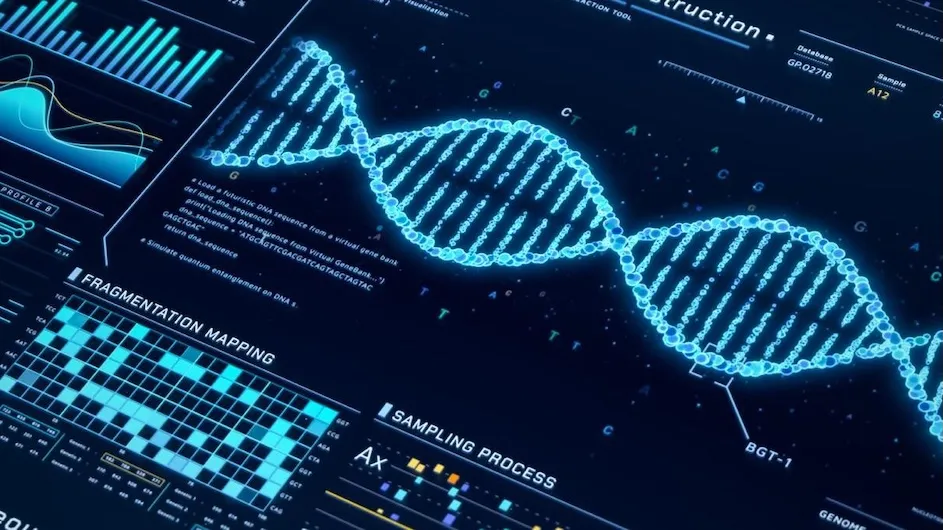
The findings represents a new path for identifying genes across many complex diseases, as well as strategies for their treatment.
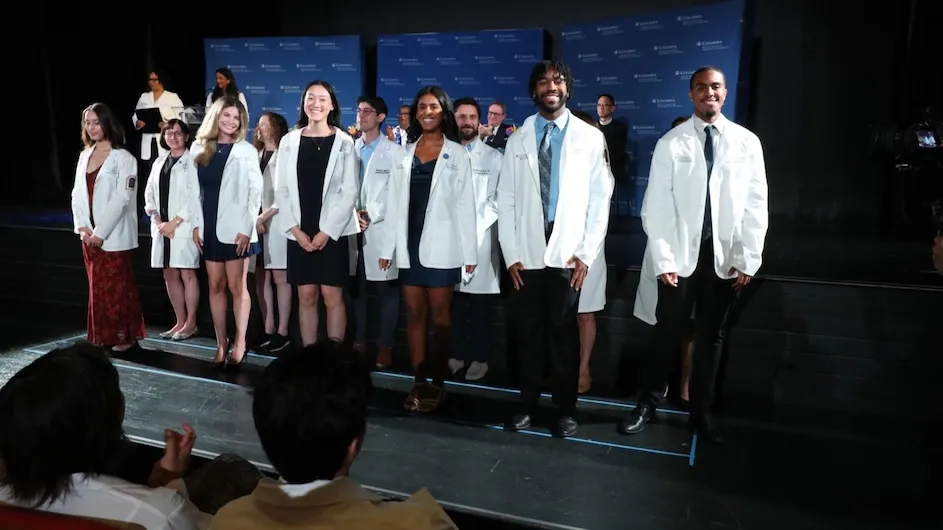
In the years since its inception, the White Coat Ceremony has been adopted by almost all U.S. medical schools.

Most tropical tree species can adjust water-use strategies across rainfall conditions, offering hope in a warmer, drier world.

Building on discoveries from its prior iteration, the center will shift its focus to developing advanced electronic materials for semiconductors, quantum devices, and more.

New research provides strong evidence that household drinking water is a major contributor to lithium levels in the body.
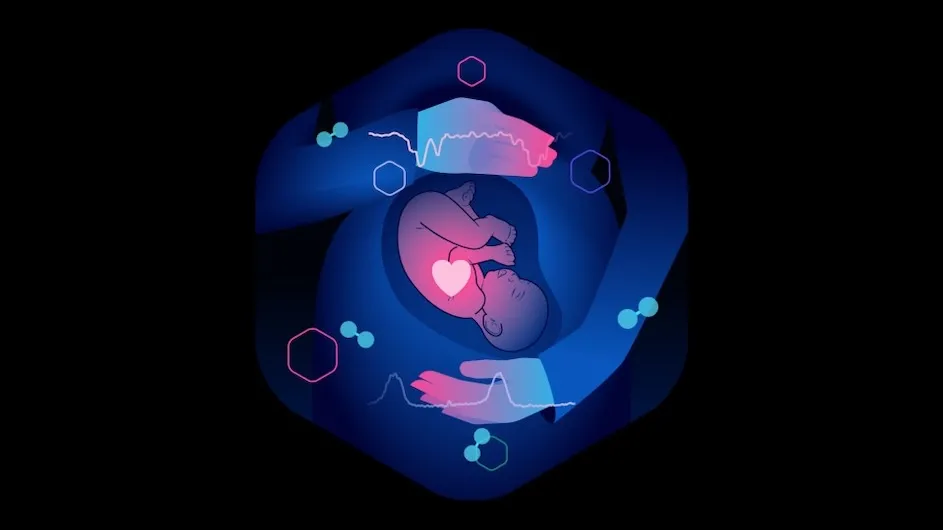
The project is part of a national effort to transform obstetrics with intelligent sensing and real-time clinical decision support.

The Department of Energy mission aims to integrate artificial intelligence into transformative scientific discovery.
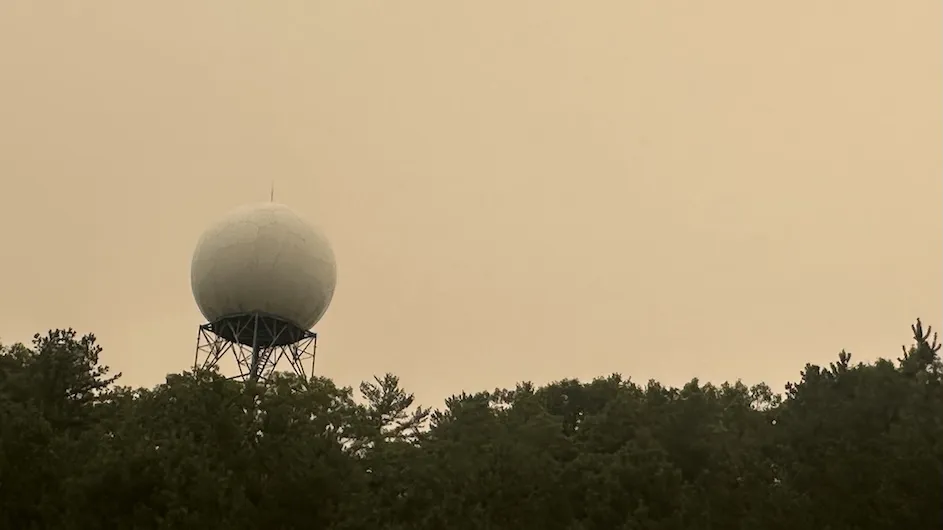
Smoke-filled skies and unhealthy air quality alerts have hit the Upper Midwest and the Northeast U.S. this week.
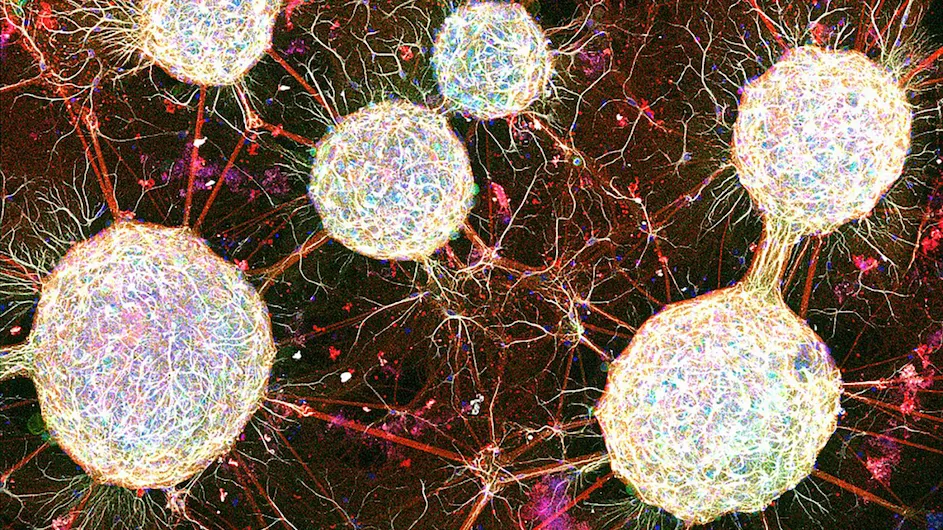
A new study of mouse neurons has the scientific community abuzz.

A Columbia Engineering professor explains the concept of dynamic pricing and whether there is room to make it fair.
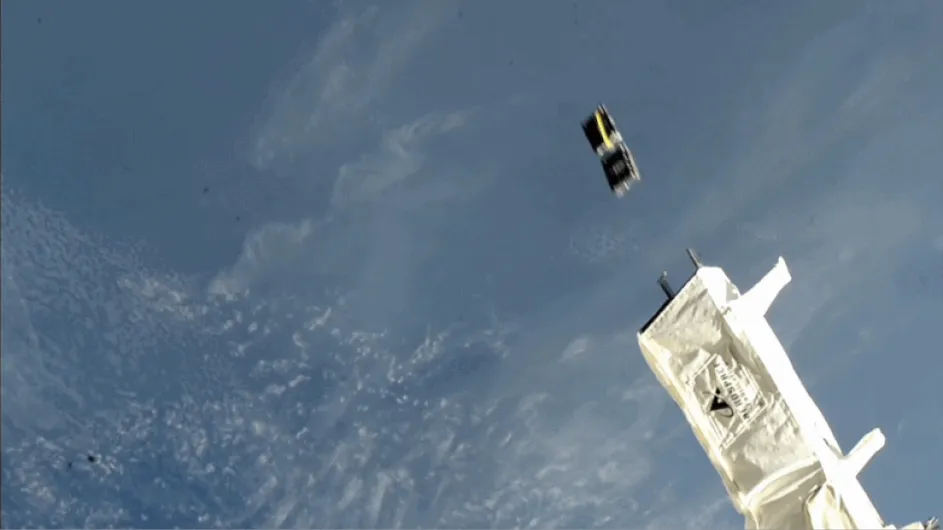
Columbia Space Initiative successfully launched a nanosatellite—and the University lion mascot, Roaree—into Low-earth orbit.

The director of the Columbia Nano Initiative’s Shared Labs discusses growing nanoscience at the University—and beyond.