

COLUMBIA SCIENCE IN THE NEWS
CNN
October 5, 2026
Scientific American
September 26, 2026
RECENT STORIES
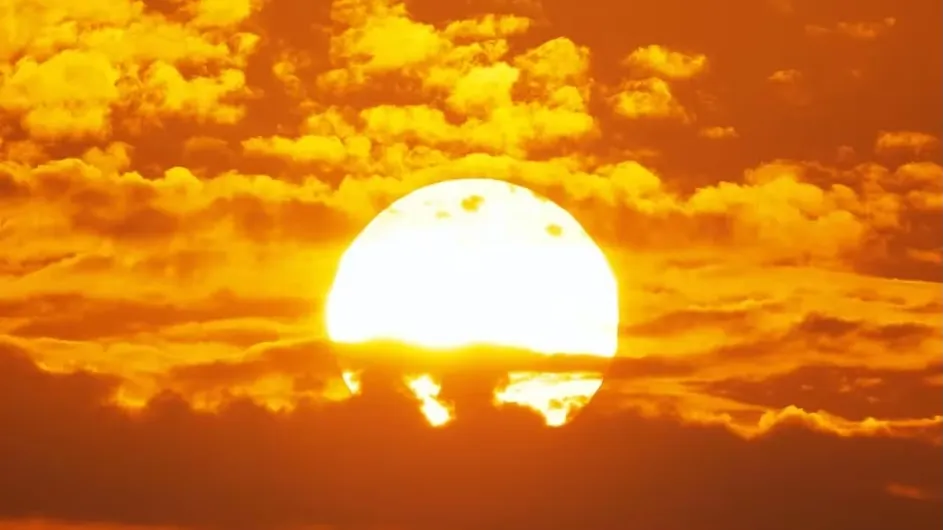
Extreme heat seasons have expanded across roughly half the world’s land area since the 1980s.
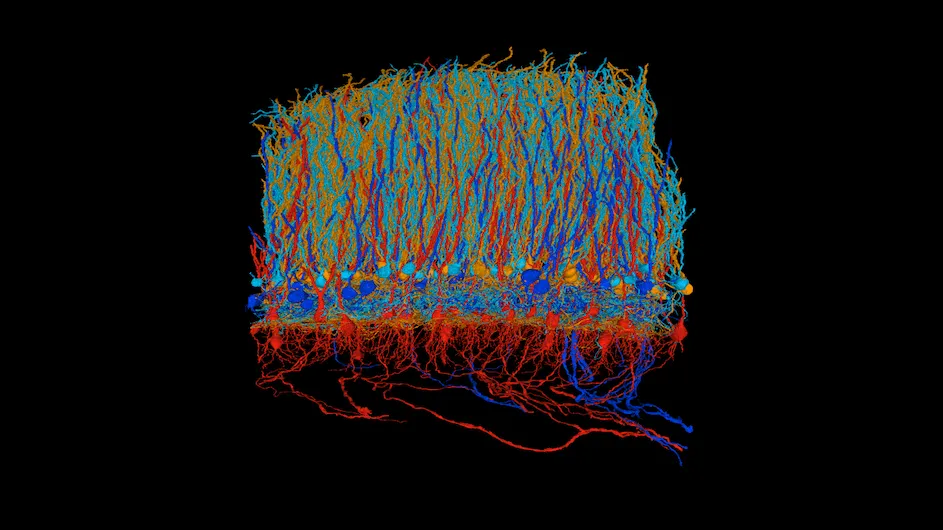
Fast and slow changes to cell connections helps fish continually learn and filter out electrical interference.

Excess mortality from influenza, malnutrition, pneumonitis, drowning, and pneumonia contributes to the life expectancy gap.
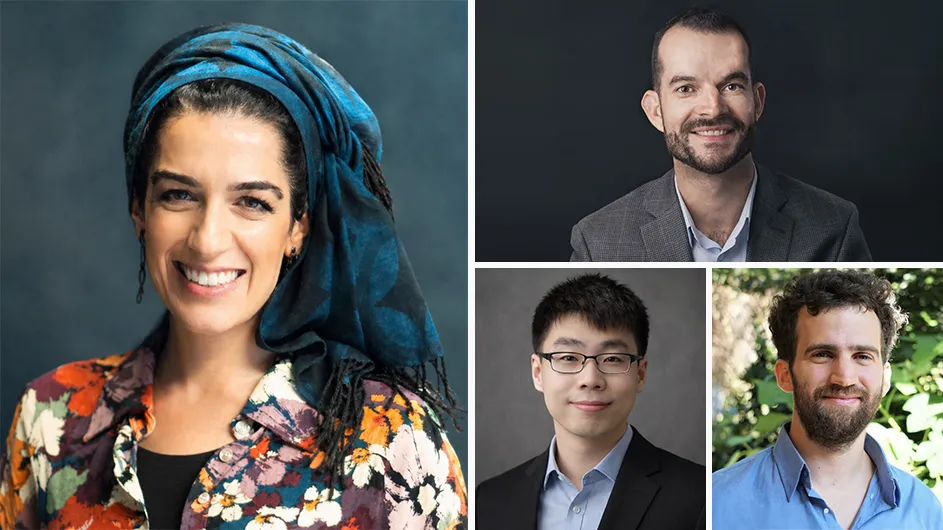
Natalie Fardian-Melamed was recognized for discovering and engineering ultra-sensitive, light-based nanosensors.
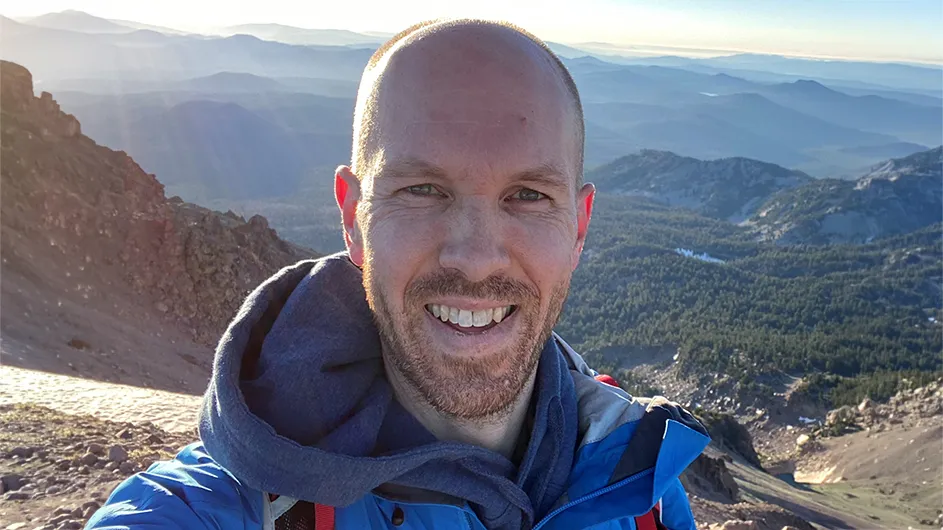
Professor Duncan Menge is the new chair of Ecology, Evolution, and Environmental Biology. In his spare time, he plays guitar in the department band.
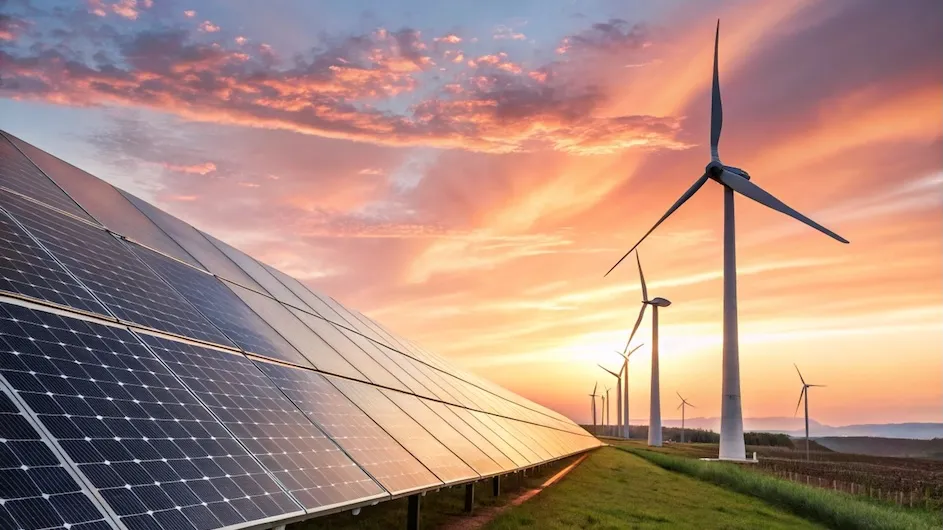
Columbia is hosting a range of events during the citywide summit, which takes place September 20-27.

New Yorkers spent $300 million on natural gas they didn't use. Fixing this waste is a climate priority.
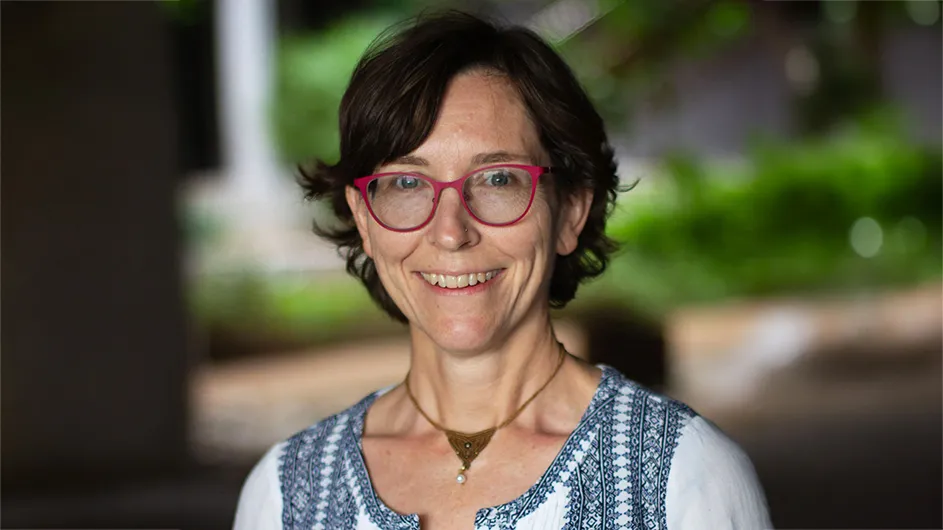
Columbia research scientist Jennifer Sokoloski is helping scientists get more from the new Vera C. Rubin Observatory.

Two Columbia researchers discuss recent AI incidents, and why they think some fears are overblown.
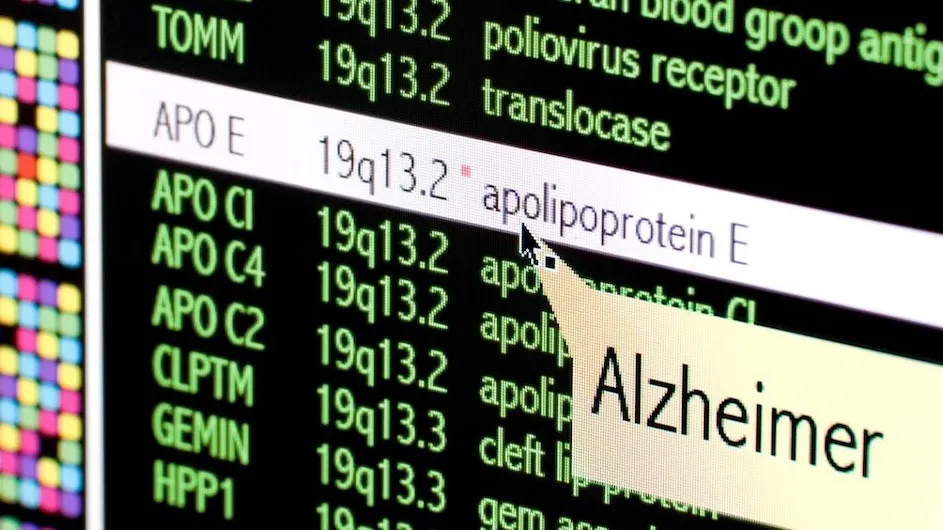
New findings from Columbia University researchers could help physicians decide when to prescribe preventive treatments.
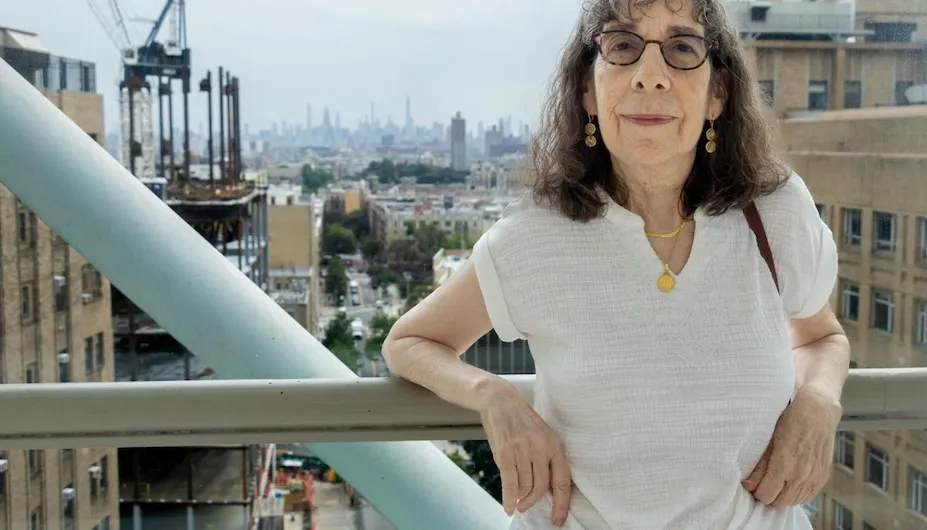
A study finds that the children of responders who developed post-traumatic stress disorder soon after the attacks were more likely to develop PTSD, depression, anxiety, or panic symptoms themselves.

The 25th anniversary of the September 11 attacks is a reminder that the horrific events of that day continue to be felt a quarter century later.