


COLUMBIA SCIENCE IN THE NEWS
NBC News
October 14, 2026
Time
October 15, 2026
RECENT STORIES

New research identifies the cause of a phenomenon that’s a signature of climate change, but that has not been well understood.

A Columbia-led study bolsters evidence that sleep is important for organ health, metabolic balance, and a healthy immune system.
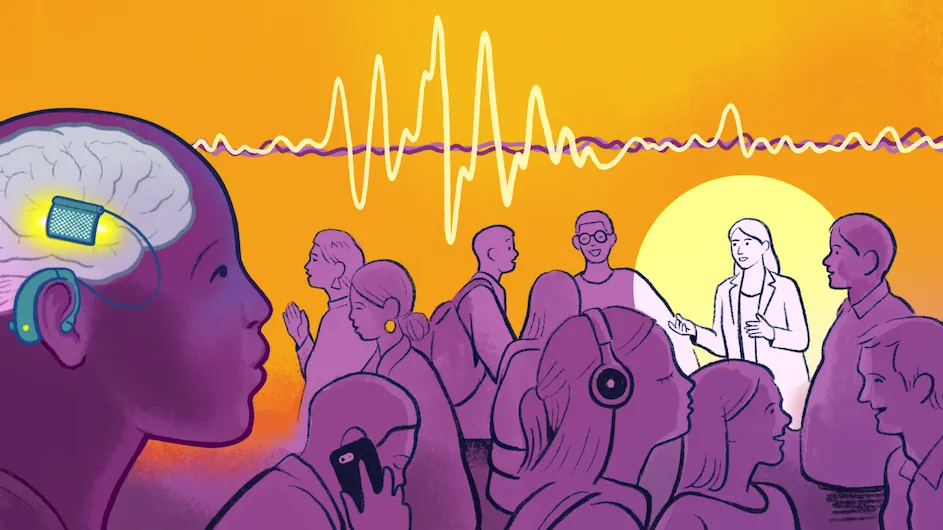
Zuckerman Institute scientists found that brain-controlled hearing technology can help people single out a voice in a crowd.

Natalie Brito, a professor of psychology, researches how both the families we’re raised in and the societies we live in, shape us.
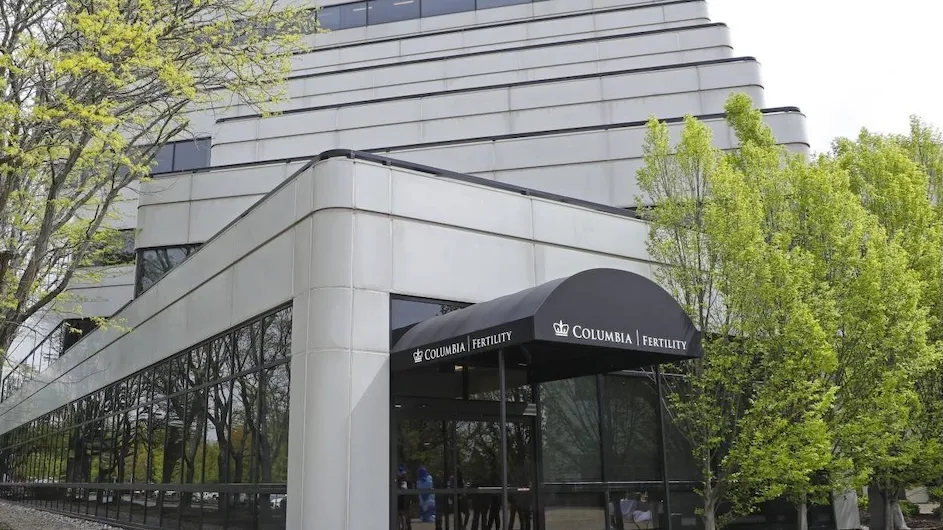
The clinic, in Teaneck, offers a full suite of fertility services.

Professor Laramie Jensen’s interest in inorganic and analytical chemistry led her to the ocean. And then to the North Pole.

Earth’s underlying crust in the Turkana Rift region has significantly thinned, presaging Africa’s eventual breakup.

The grant will advance a framework to develop a high-performance textile fiber grown by bacteria fed on agricultural waste.
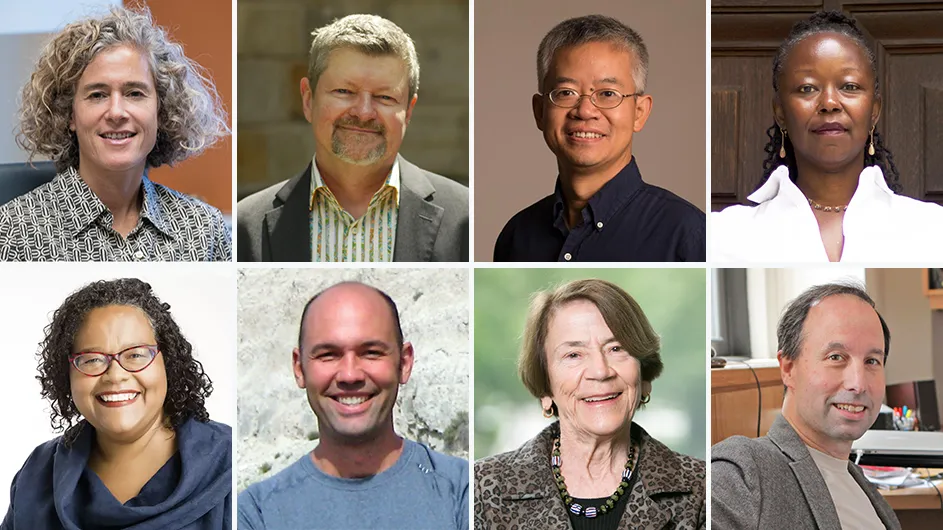
The Academy recognizes leaders in academia, the arts, industry, journalism, philanthropy, policy, research, and science.

He was recognized for advances in cosmic microwave background and supernovae cosmology.
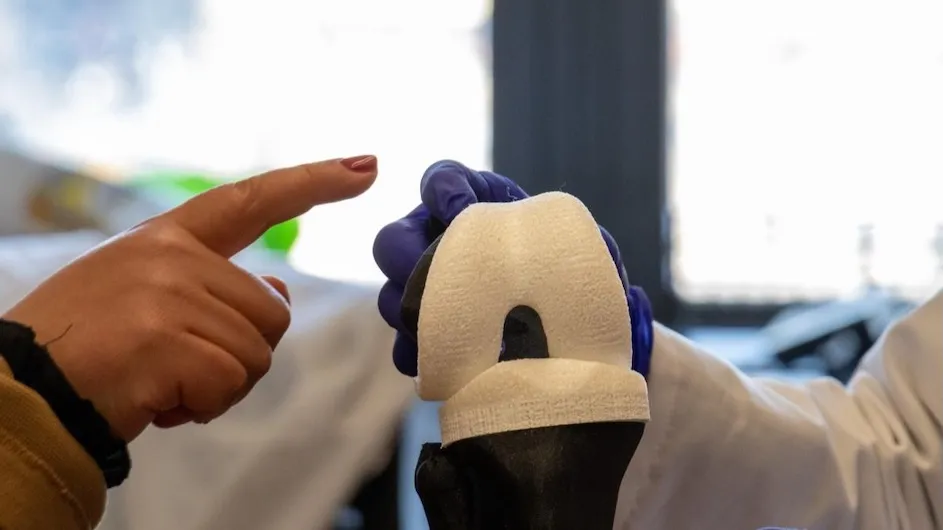
Columbia researchers are trying to create a new biological knee joint that can last a lifetime and be offered to younger patients.

New research found that large portions of Indonesia's Java Island are sinking at rates of up to 1.5 meters per decade.