
COLUMBIA SCIENCE IN THE NEWS
The New York Times
September 6, 2026
Science
August 28, 2026
The New York Times
August 20, 2026
RECENT STORIES
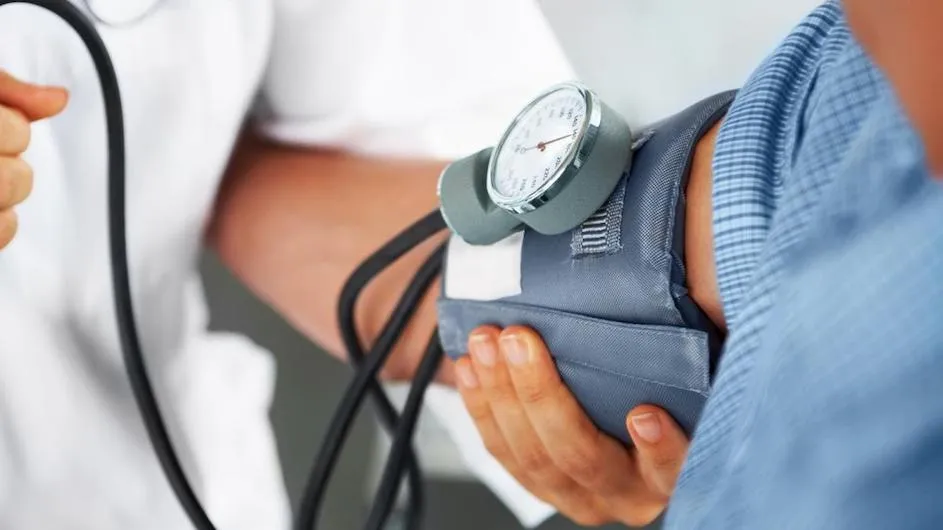
A device that uses ultrasound to calm nerves in kidneys may be able to help some people get their blood pressure under control.
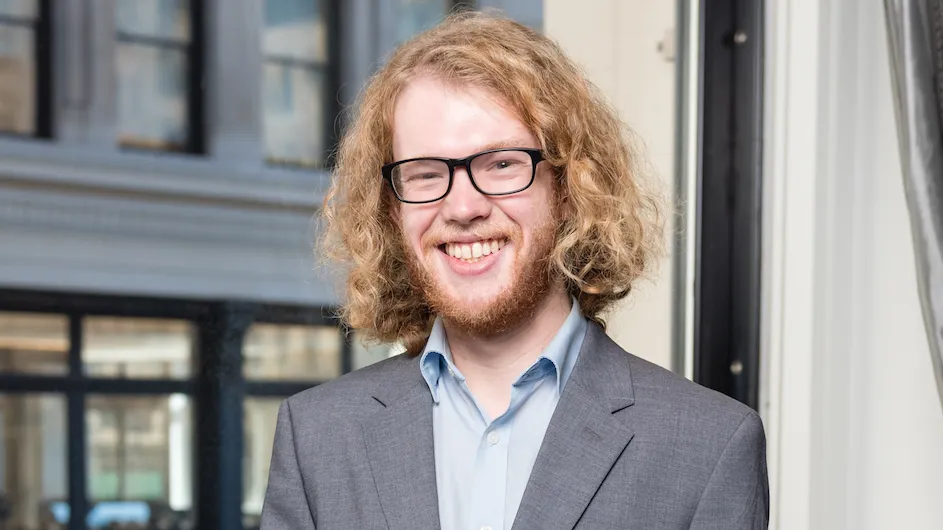
Postdoc Oliver Philcox may have found a “smoking gun” for new frontiers in physics.
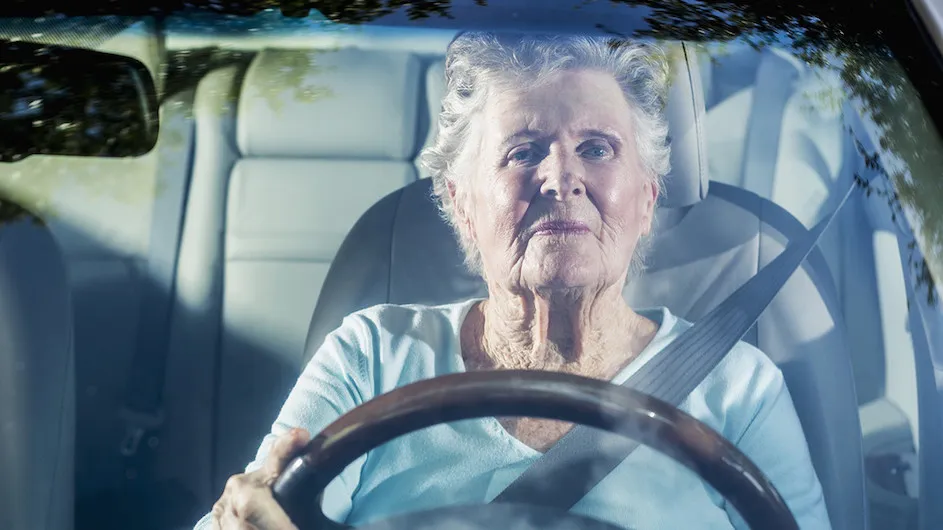
Researchers have developed a highly accurate machine learning model for detecting dementia in older drivers.
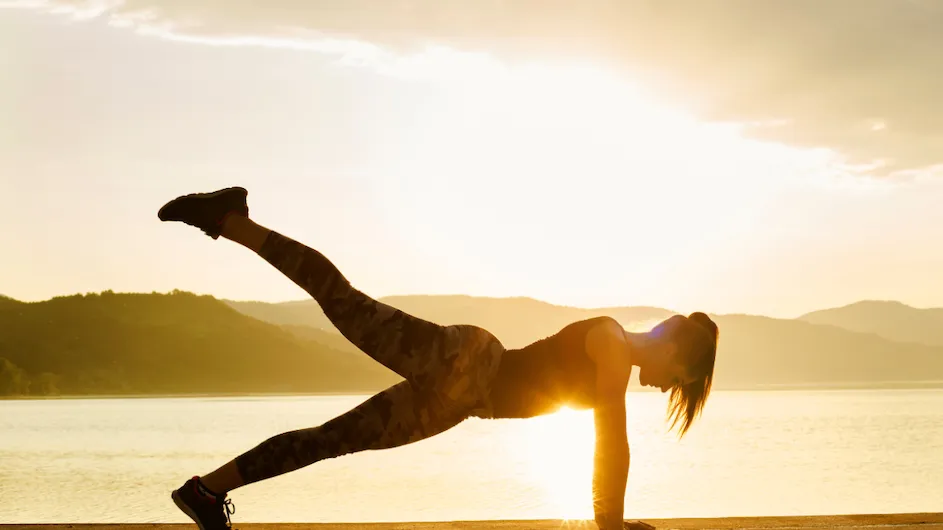
Feeling preoccupied with your fitness regimen could be a warning sign of exercise addiction.
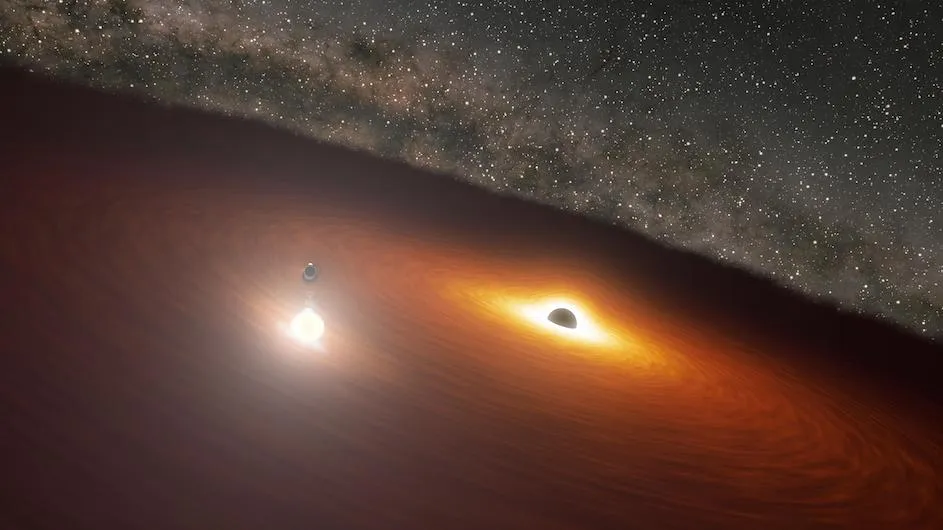
Two new papers offer striking and surprising insights into the often-studied galaxy OJ 287.
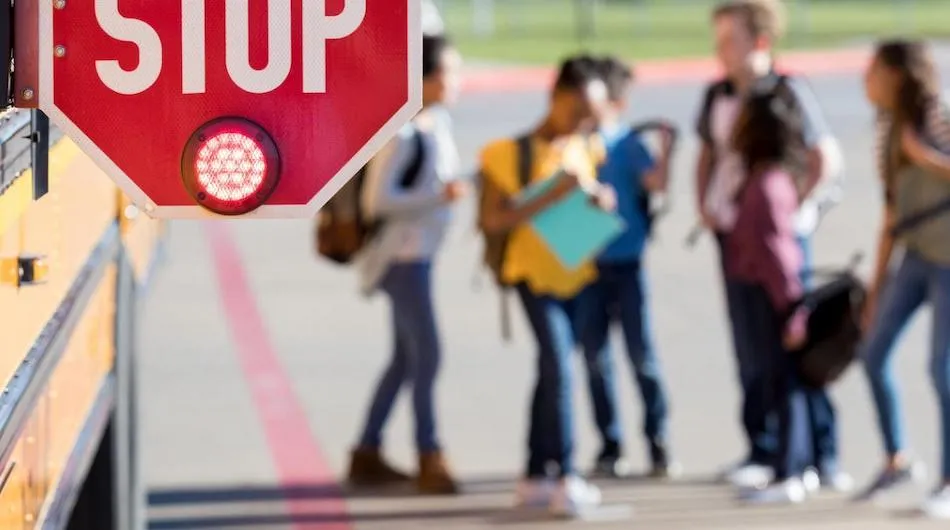
A professor discusses why early puberty is becoming more common and why it's a concern.
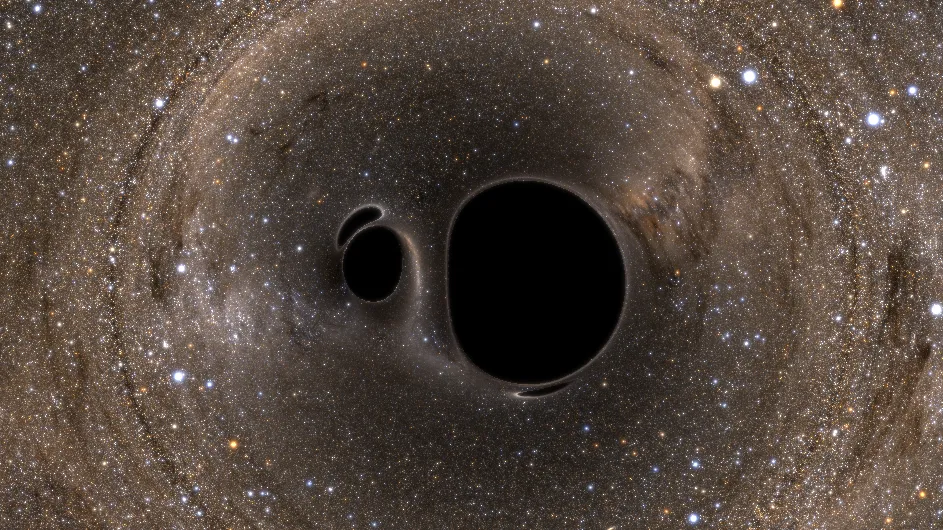
A Columbia professor, postdoc, and alum are co-authors on a paper that uses new methods to analyze the waves that black holes emit when they collide.

Meet Columbia Climate School's Lisa Dale, a political scientist who studies how policies, both domestic and international, might help us live more sustainable lives.
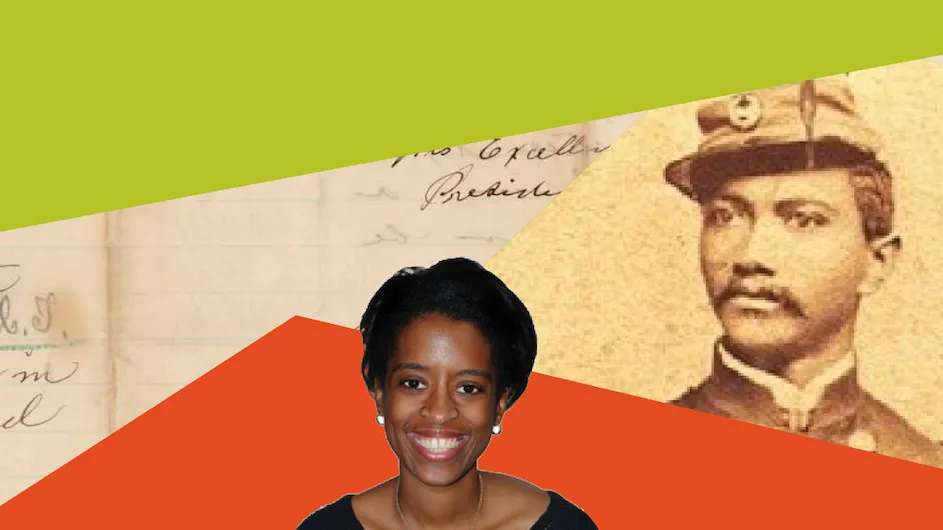
The life and accomplishments of Dr. Alexander Thomas Augusta are now celebrated thanks to Professor Heather Butts' scholarship.
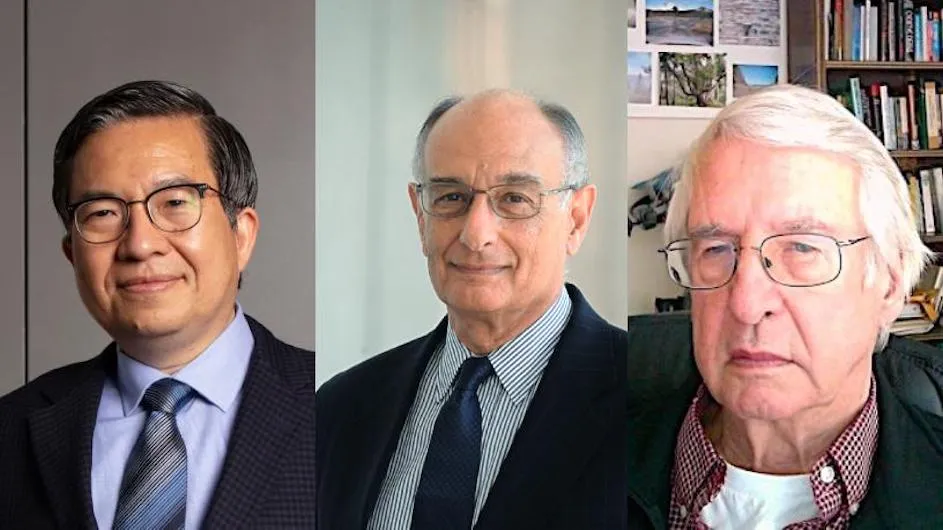
The academy also elected Christopher H. Scholz, Professor Emeritus of Applied Physics and Applied Mathematics, and alumna Regina Barzilay.
Columbia gastroenterologist Shilpa Ravella on the foods everyone should be eating — and the ones to avoid.
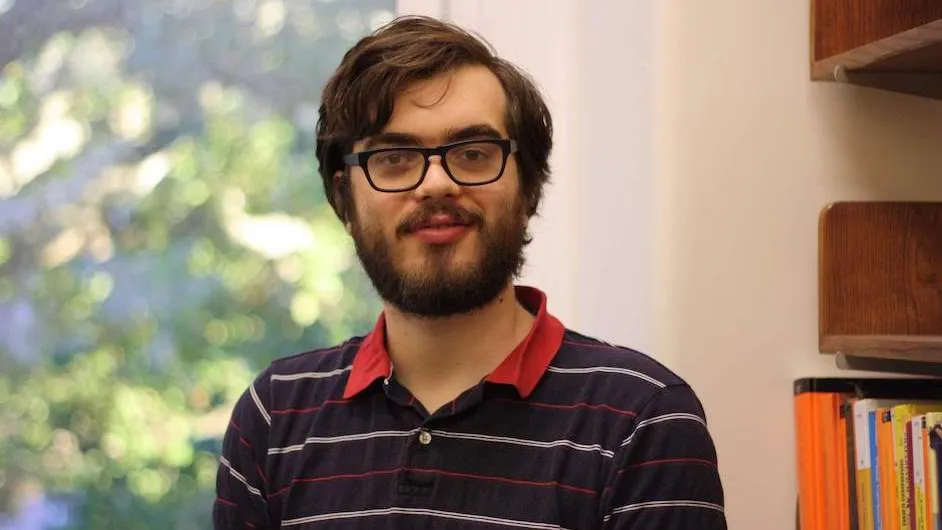
Fifty-seven past fellows have won a Nobel Prize in their field.