
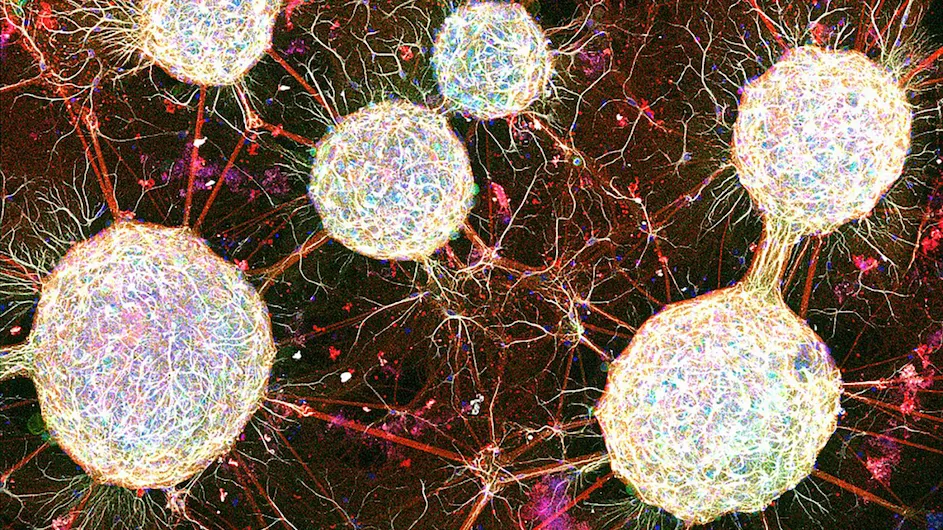
COLUMBIA SCIENCE IN THE NEWS
The New York Times
September 6, 2026
Science
August 28, 2026
The New York Times
August 20, 2026
RECENT STORIES
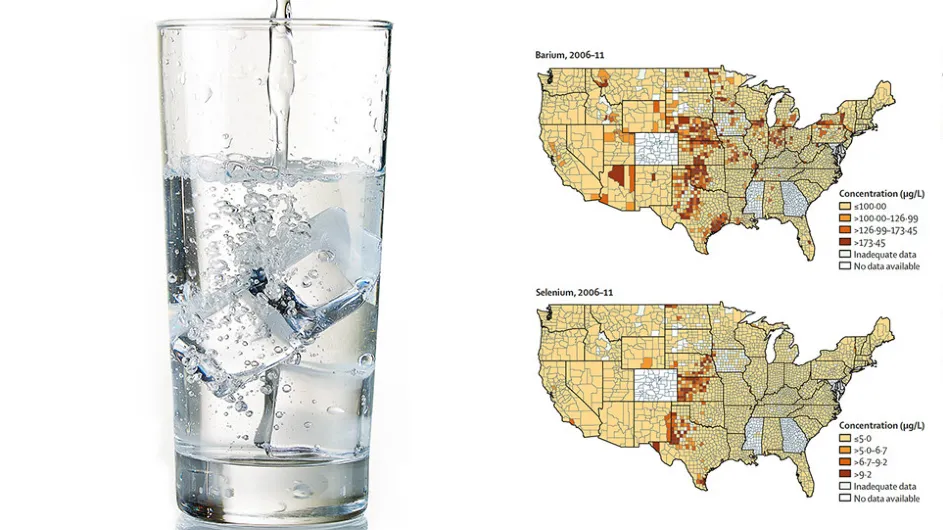
The highest concentrations were found in Hispanic communities, according to a new study by Columbia’s Mailman School of Public Health.
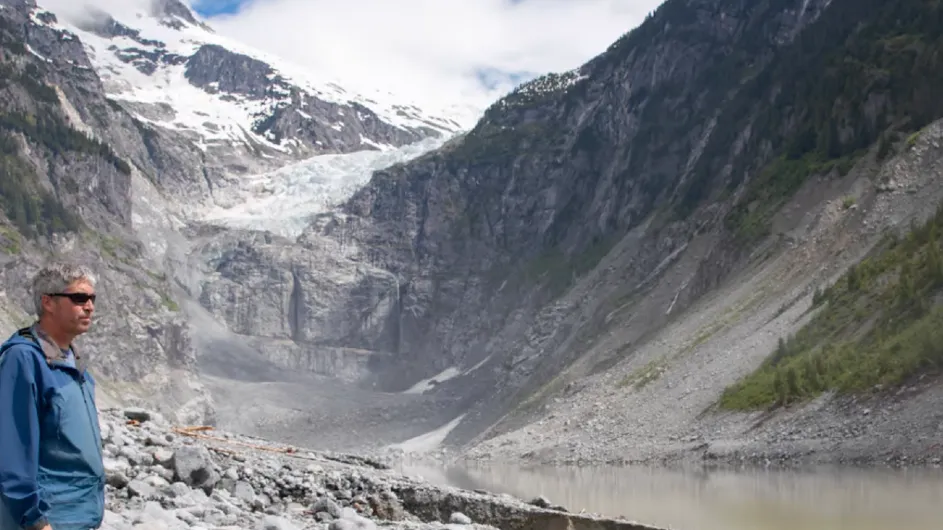
A massive landslide in British Columbia that set off a tsunami has been linked to Canada's receding West Grenville Glacier.
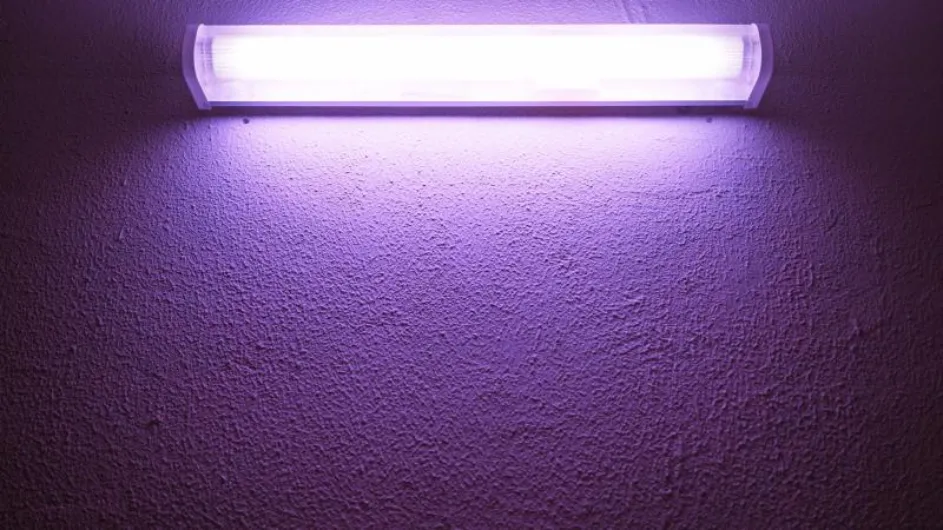
A new type of UV light that's safe for people destroyed more than 98 percent of airborne microbes in a room within five minutes.
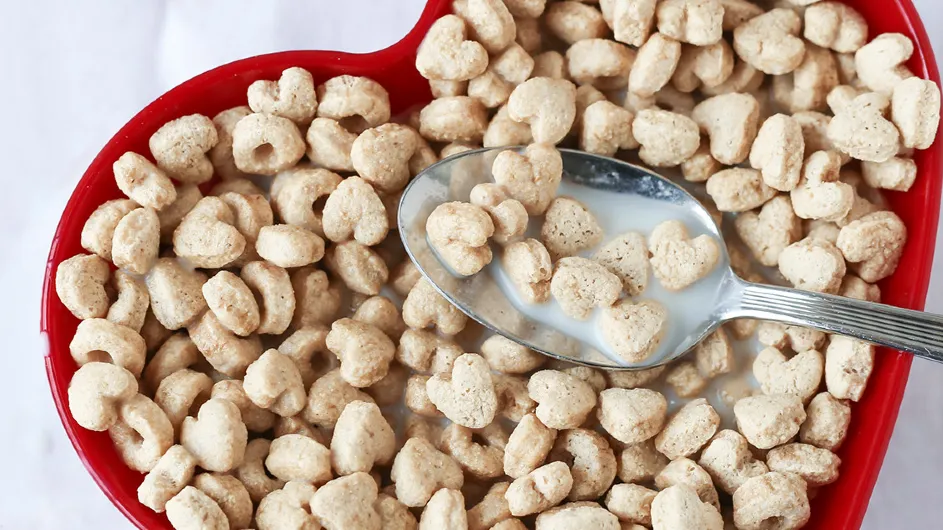
Think all fiber is equal? Think again. New research from Columbia's Mailman School of Public Health finds that total fiber—cereal fiber, specifically, but not fruit or vegetable fiber—was linked to lower inflammation.
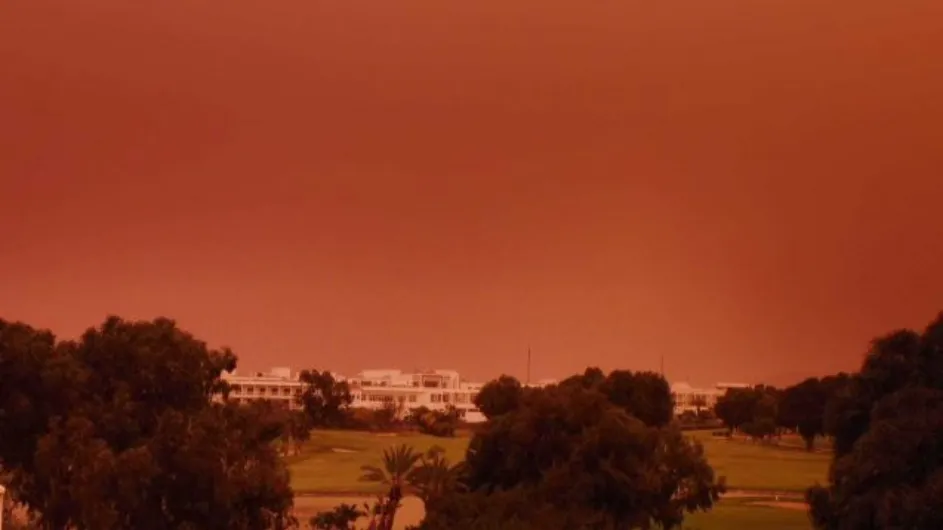
People in Togo’s capital city are often exposed to unsafe levels of small particles in the air they breathe.
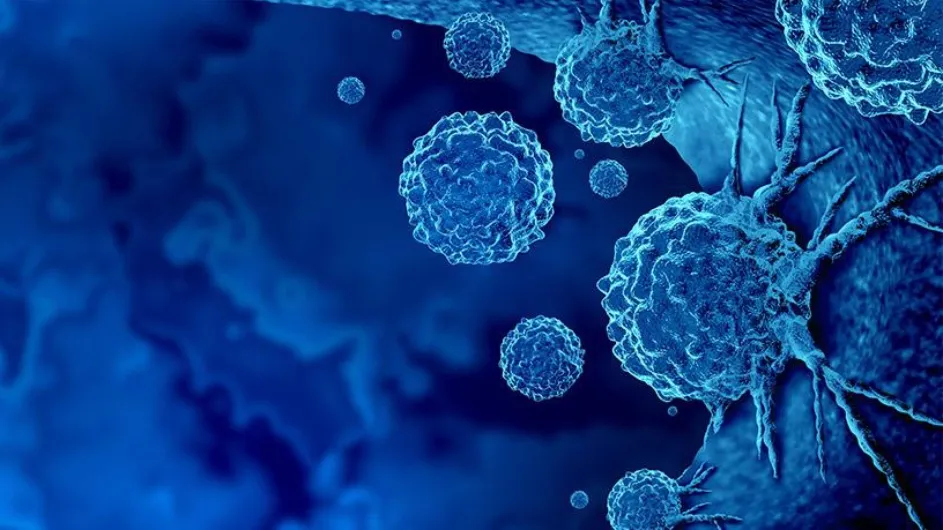
A high-speed 3D microscope developed at Columbia could transform surgery and tissue analysis.
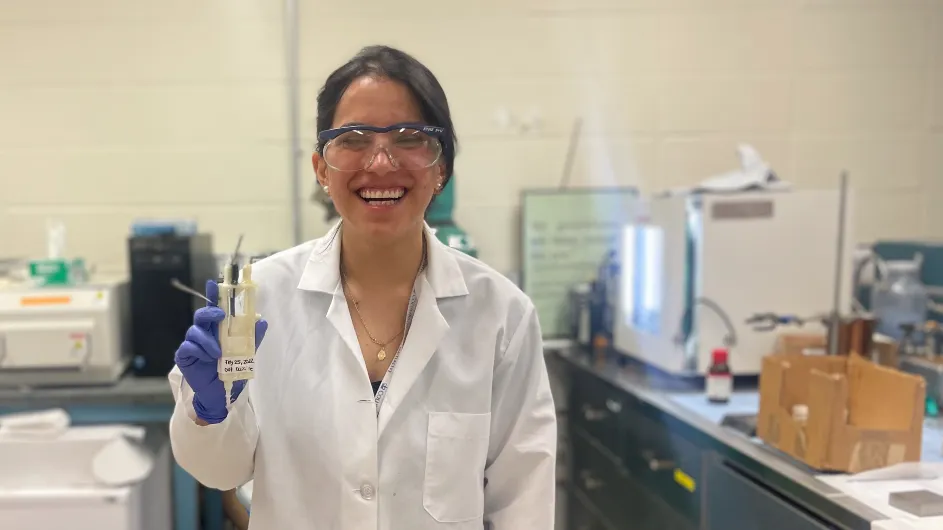
PhD student Daniel Fraga is studying ‘green’ hydrogen as an alternative to fossil fuels while sharing lighter moments on TikTok.

Lights! Camera! Quantum! The theoretical quantum physicist by day and actor by night explains how she blends science and art.
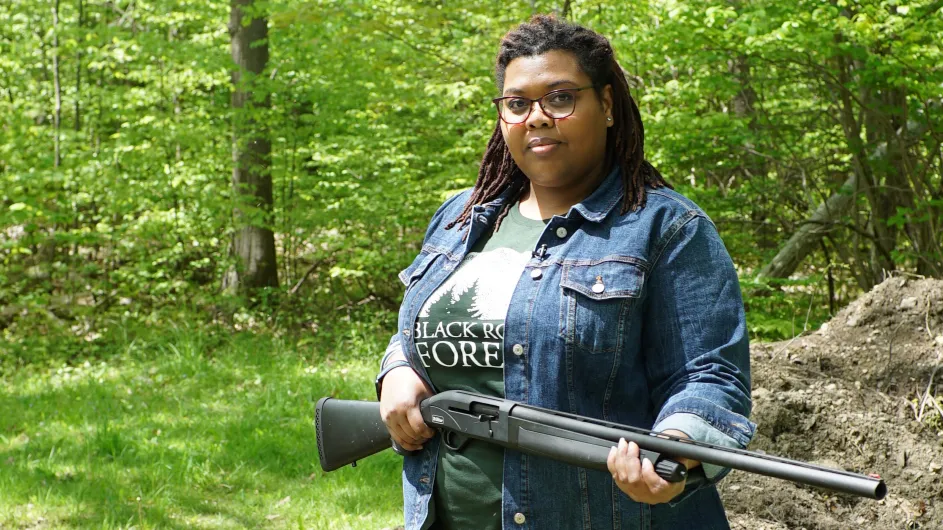
Trees are migrating as Earth’s climate warms. The ‘shotgun scientist’ is tracking and sharing their movements.
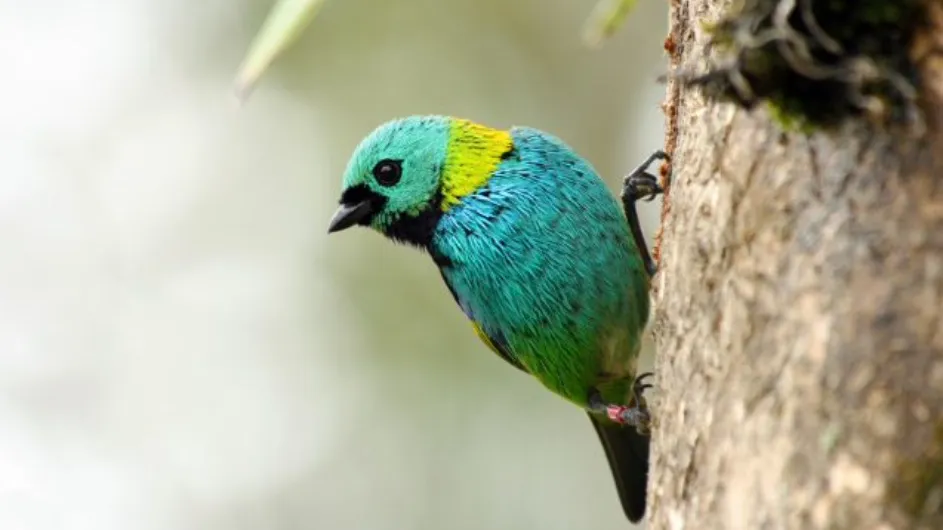
A third of regenerating areas in the Brazilian Atlantic Forest were cut down again, most after just 4 to 8 years.
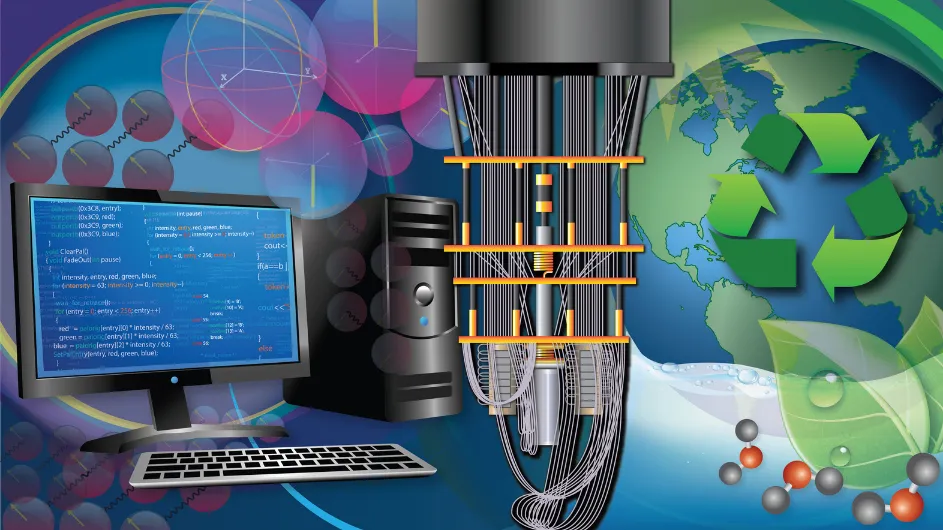
Researchers at Columbia and Google Quantum AI have developed an algorithm that uses the most quantum bits to date to calculate ground state energy, the lowest-energy state in a quantum mechanical system. The discovery could help make it easier to design new materials.

Intimate partner violence is a key indicator for poor HIV outcomes.