Recent health and wellness news from across Columbia.
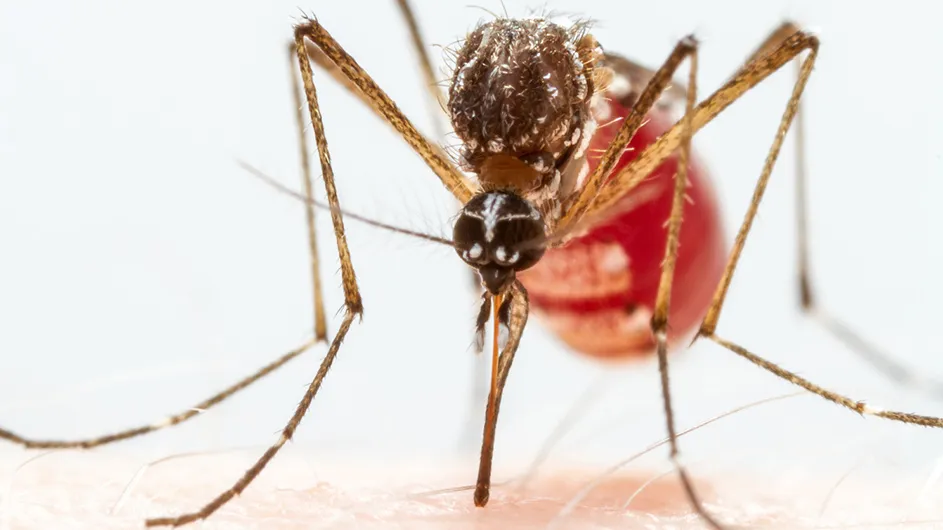
While the rate of Eastern Equine Encephalitis is unusually high this year, more worrisome is the link to a warming climate and what it could signal for the future.
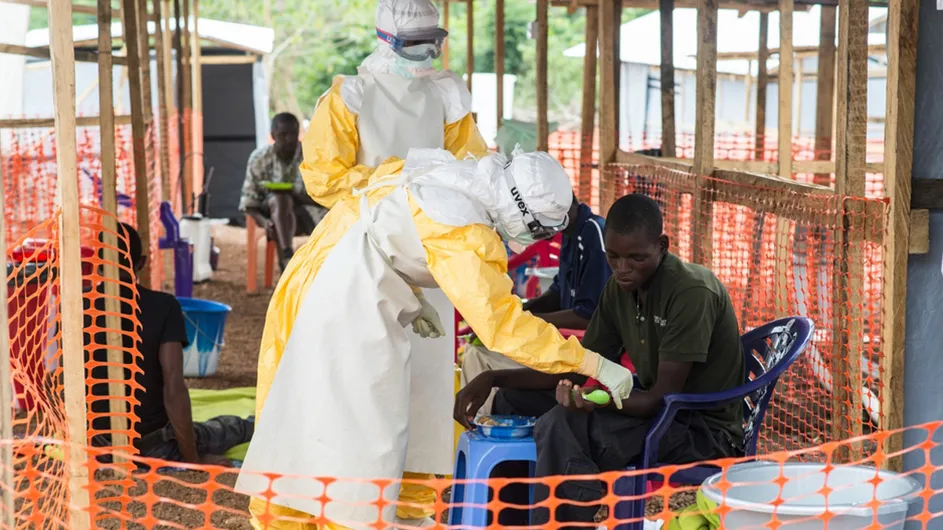
Columbia physician and Ebola survivor Craig Spencer says community engagement and trust-building are the best tools to combat the epidemic.

A Columbia University study suggests residents not return to several uninhabited islands until areas are thoroughly cleaned and further assessed for safety
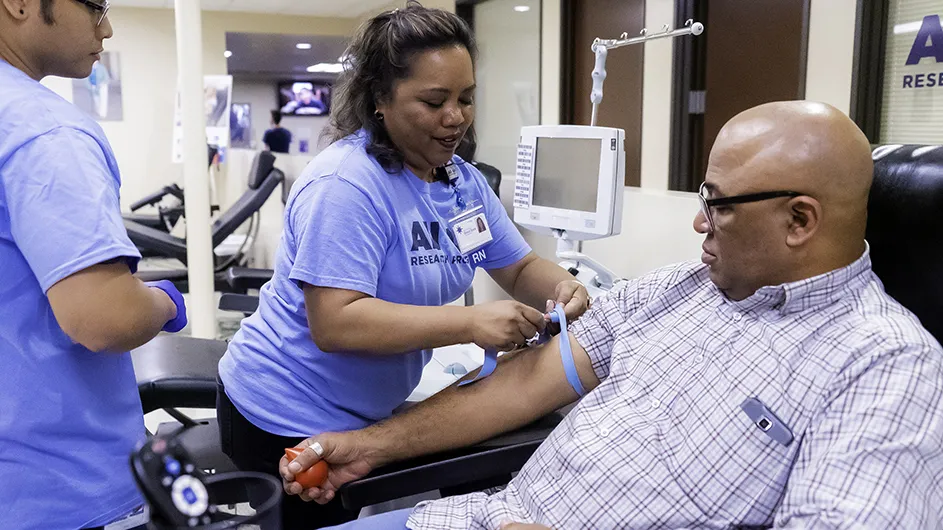
Columbia professor Sandra Soo-Jin Lee leads a national study on the inclusion of ethnic minorities in genetic studies
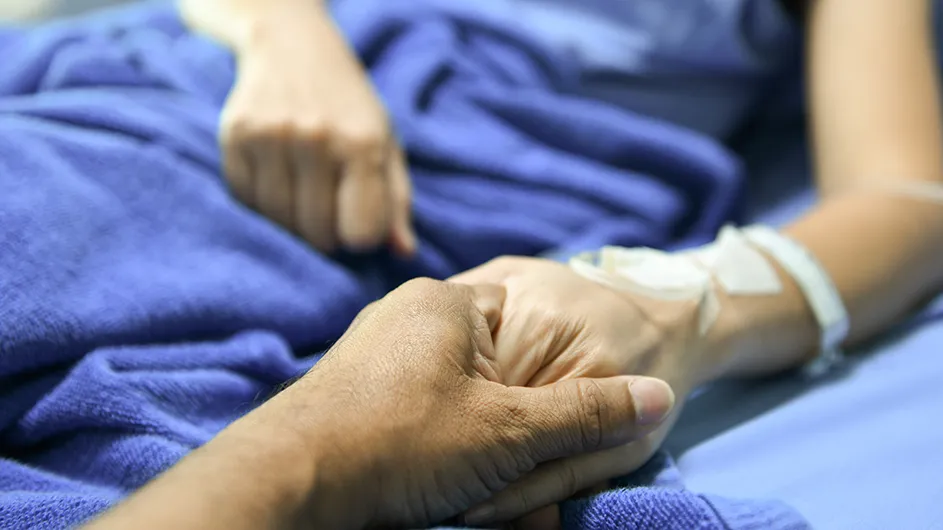
Support for aid-in-dying laws has been growing as Maine becomes the eighth state to allow doctors to prescribe lethal medications to terminally ill patients.
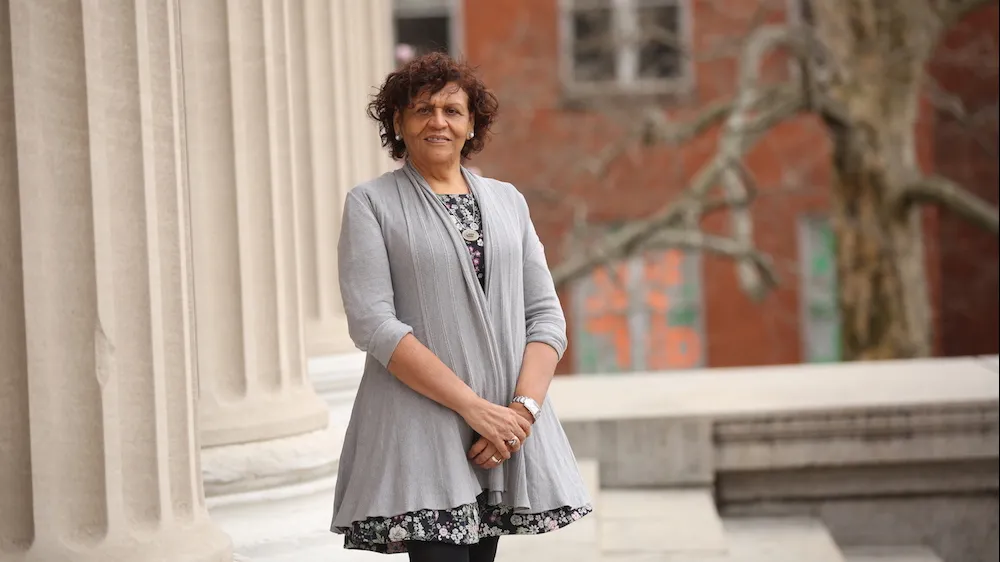
University Professor Nabila El-Bassel explains how gender plays a role in the opioid crisis.

Deerfield commits up to $130 million to accelerate drug discovery at Columbia
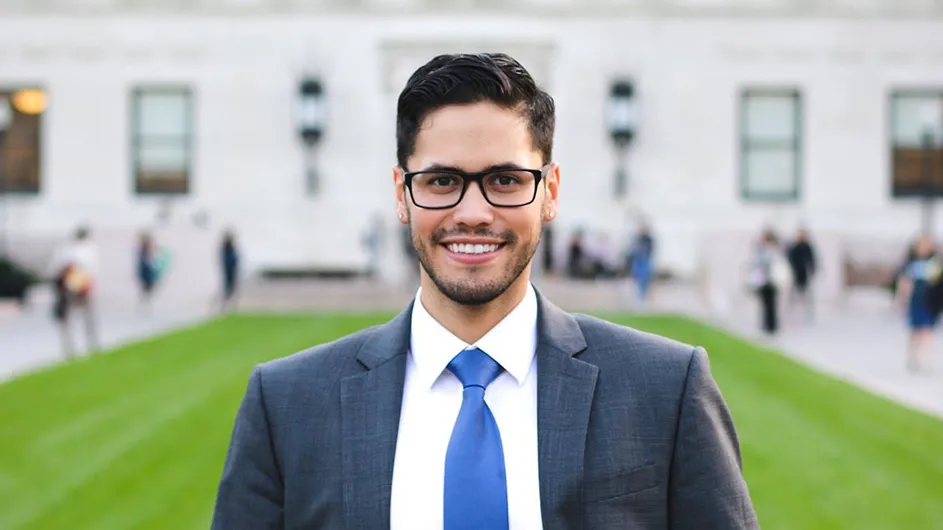
After leaving the Navy, Brian Ruiz finished college and now graduates from the Mailman School of Public Health with a master's in health management.
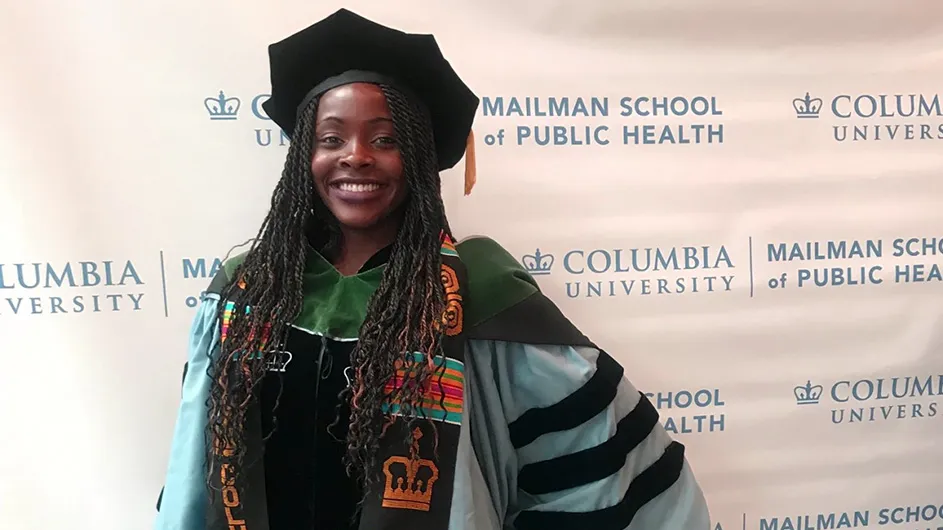
"I'm interested in public health to understand patients more holistically... to improve the doctor-patient relationship,” said Etoro Ekpe, a graduate with a combined MD-MPH from the Vagelos College of Physicians and Surgeons and the Mailman School of Public Health.

Helen Ouyang’s articles bring to light difficult societal issues that people often don’t like to think about. This week in The New York Times Magazine she writes about hospice homes that support terminally ill children and their families.

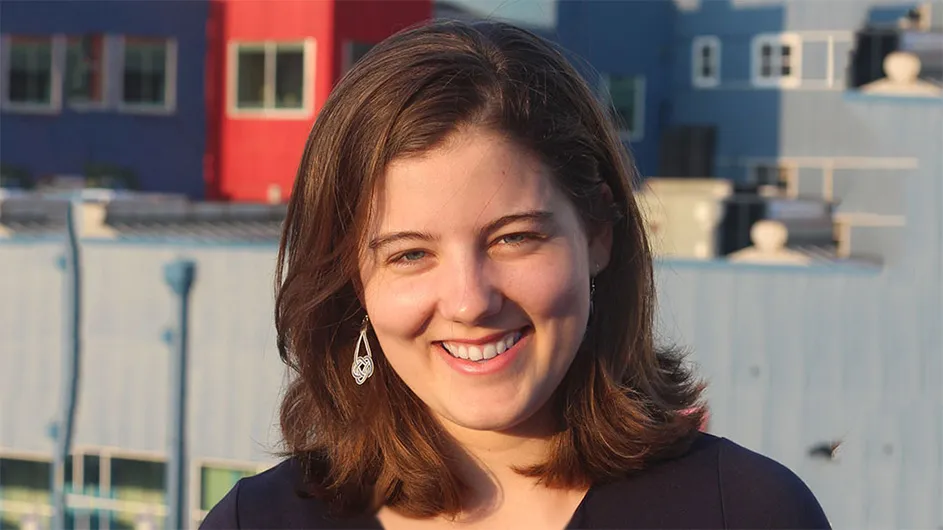
“It’s so important to me that I give back to the community of older adults who have supported me so much throughout my life," said Anna Bryan, a Columbia College graduate who will be combining music and geriatric medicine.