Recent health and wellness news from across Columbia.
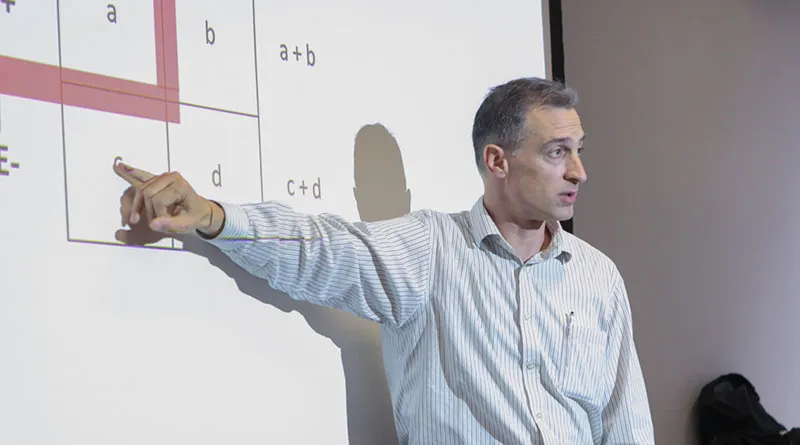
Charles Branas of the Mailman School of Public Health says preventing the next school shooting will require evidence, conviction, and strength in numbers

Malo Hutson's research is on the social, political and economic side of urban planning.

It's tick season. Here's what Brian Fallon, the director of Columbia’s Lyme & Tick-borne Diseases Research Center, has to say about combating chronic Lyme disease.

National Institute on Drug Abuse grant will bring the School of Social Work together with partner universities to work in 15 counties across New York State.

A Columbia-led study finds disruptions in the body’s gut microbes triggered by early-life adversity are linked to brain function

The Asian longhorned tick, found in Staten Island last summer, is capable of transmitting disease and is spreading far faster than previously known. Public health officials are particularly concerned because the tick is notorious for its ability to quickly replicate itself.
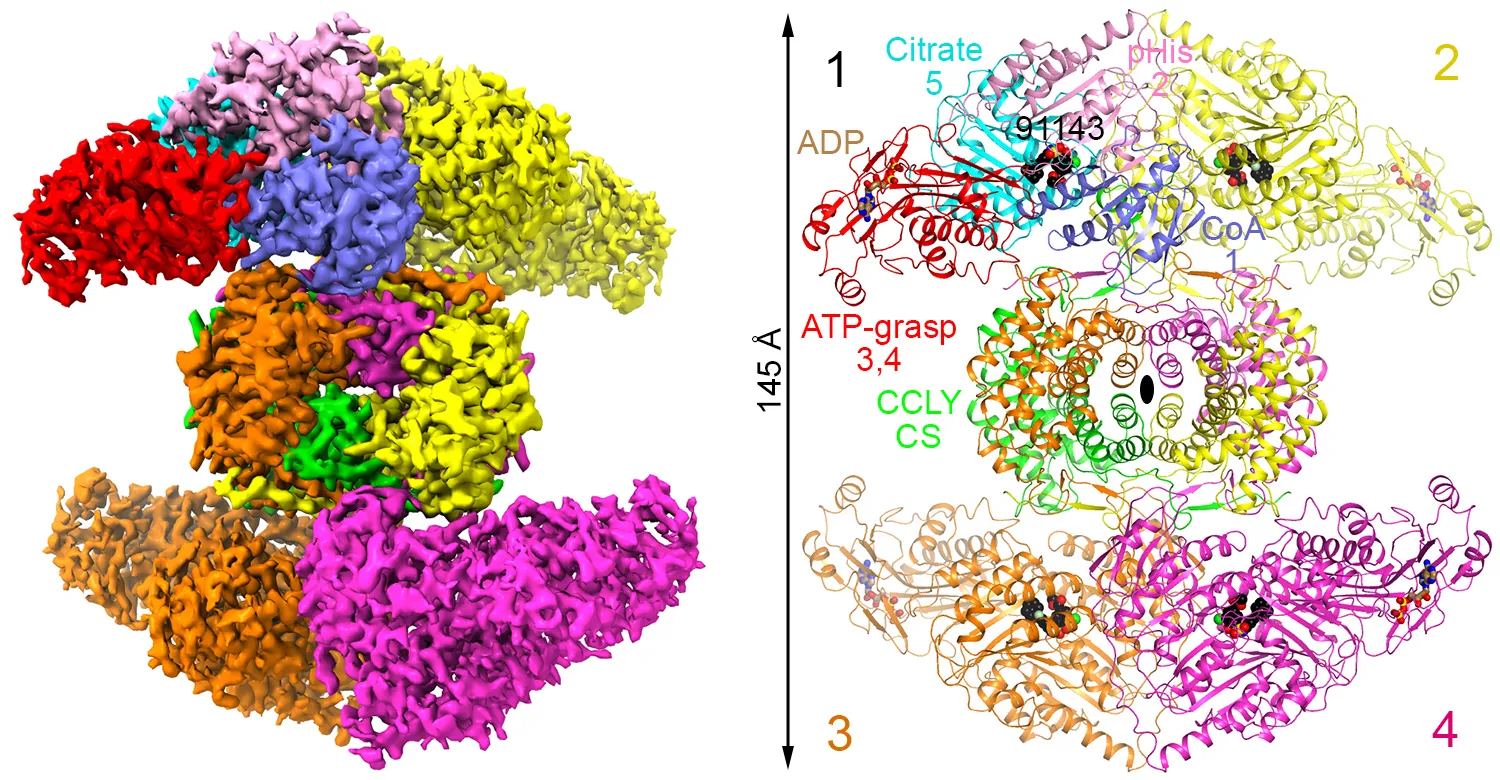
Columbia University and Nimbus Therapeutics have successfully determined the 3D structure of human ATP-citrate lyase, which plays a key role in cancer cell proliferation and other cellular processes.

The faculty practice of the School of Nursing is developing a coordinated care program for the mental and physical health of LGBT patients in collaboration with the Department of Psychiatry and the New York State Psychiatric Institute.

This year—or indeed any year—there may be some especially difficult conversations if the discussion turns to politics. Peter T. Coleman, director of the Morton Deutsch International Center for Cooperation and Conflict Resolution at Columbia’s Teachers College, offers advice.

A powerful resource at Columbia University has opened areas of inquiry about the corporate and regulatory histories of these companies. ToxicDocs is a database of some 20 million once-secret industry and trade association documents concerning the health hazards of toxic chemicals such as asbestos, lead and PCBs.

A new study by Columbia researchers shows that the brain plays back and prioritizes high-reward events for later retrieval and filters out the neutral, inconsequential events, retaining only memories that are useful to future decisions.
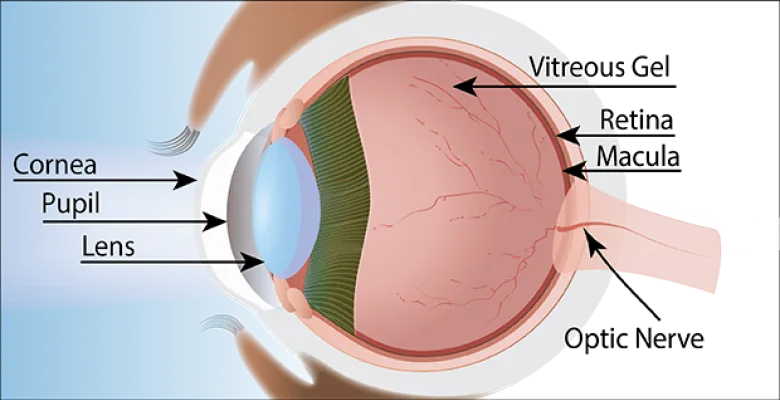
The most common tests for glaucoma can underestimate the severity of the condition by not detecting the presence of central vision loss, according to a new Columbia University study.